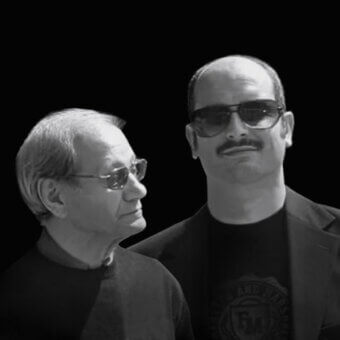
Maurizio Manzoni, born in Nuoro in 1967 and graduated in Architecture a Firenze, began his career working in industrial design with leading companies in the sector in Italy and abroad including: Arketipo, Dema, Difer, Fendi Casa, Fiam, Italvelluti, Luilor, Kenzo Maison, Ycami, La Falegnami, Lancia, Ligne Roset, MDF Italia, Mercedes Benz Style, Pedrali, Quintessence by valdichienti, Roche Bobois, Steiner_Paris, Treca Interiors, Visionnaire. He conducted research on the “Design of the invisible” for Lancia aimed at creating the Dialogos concept car. His activity extends to interior architecture, graphics, stands, fabric design and nautical design of motor boats and super mega yachts for both interiors and exteriors. In 1999 he was appointed Contract Professor at the University of Firenze, for the course of Design and Survey and Fabric Diagnostics (Department of Costume and Fashion – Department of Industrial Design). He currently lives and works at Firenze where in 2001 he founded StudioMEMO with the designer prof. Roberto Tapinassi (Firenze 1933 – 2018) who began his profession in the 60s always giving innovation to the product and generating ideas that are always salable in a market that requires an aesthetic sense associated with the practical one: since the beginning of the collaboration they have shared all the projects and relationships with the joint companies.
The meeting point between the two designers was the choice to pursue a common line that significantly addressed the issues related to contemporary living, trying to propose innovative solutions, aimed at continuing the logic of “good design”, typical of Italian design always proactive and rooted in research. StudioMEMO is an open studio constantly looking for discussion and collaboration between people with the most varied skills and professionalism: it is able to satisfy any need arising during the normal design process, also being able to count on a group of prototypers and technical consultants who are always in able to solve the problems of verifying and fine-tuning the projects, emphasizing the important characteristic of openness to constructive and sincere dialogue between the internal components and the many external collaborators.