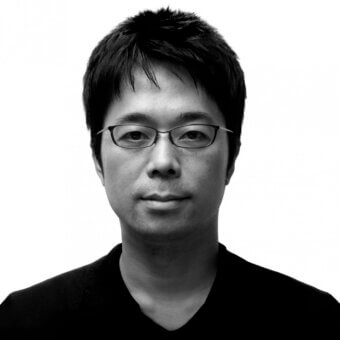
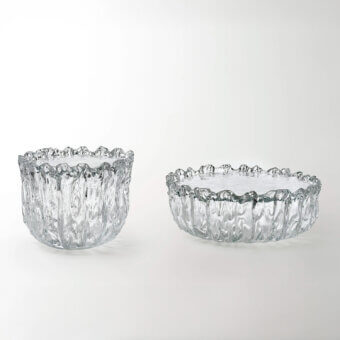
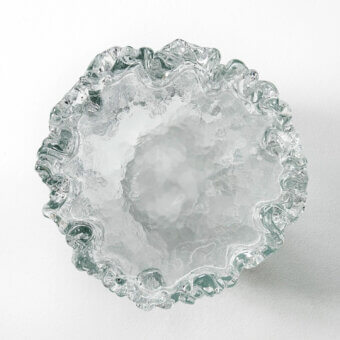
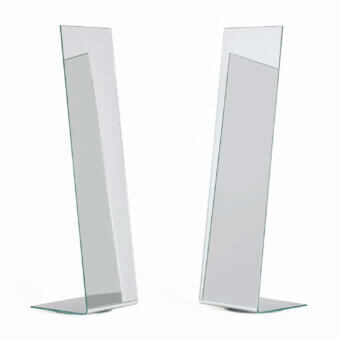
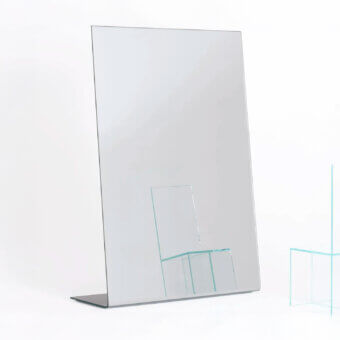
Tokujin Yoshioka was born in Saga, Japan, in 1967 and graduated from the Kuwasawa Design School in Tokyo in 1988. Immediately after that, he began important collaborations with Shiro Kuramata and Issey Miyake before founding his Tokyo-based studio, Tokujin Yoshioka Inc., in 2000. As a designer and creative artist working in architecture, installations and art, Tokujin Yoshioka’s work is marked by a poetic and experimental approach that finds inspiration in Japanese culture and nature-related themes. His works are often characterised by transparent and reflective materials complemented by light and spatial interaction, transcending the concept of form and resulting from careful aesthetic and technological research. This premise gave rise to projects like the Transparent Japanese House (2002), later complemented in 2015 by the Kou-an Glass teahouse, a small entirely-glass pavilion inspired by the tea ceremony installed at the Shogunzuka temple in Kyoto. Similarly, in 2013 he designed Rainbow Church, a sensory installation presented at the Museum of Contemporary Art in Tokyo. Glass is a recurring material in Yoshioka’s work, as evidenced by the Water Block bench series from 2002 or the furniture collection produced by Glas Italia