Beyond White Walls: The Italian Approach to Color
For years, white and gray dominated global interiors in the name of minimalism. But in Italy, color has never disappeared — it has simply been used with restraint, emotion, and intent.
While many equate minimalism with blank walls and pale palettes, Italian interiors prove that color and elegance are not opposites. In fact, when used well, color becomes one of the most powerful tools to elevate a space — adding soul, warmth, and cultural richness.
So how do Italian designers approach color?
Let’s explore four key principles that define this timeless and tactile relationship.
1. Earthy Tones as a Foundation
Italian interiors often begin with the colors of the land.
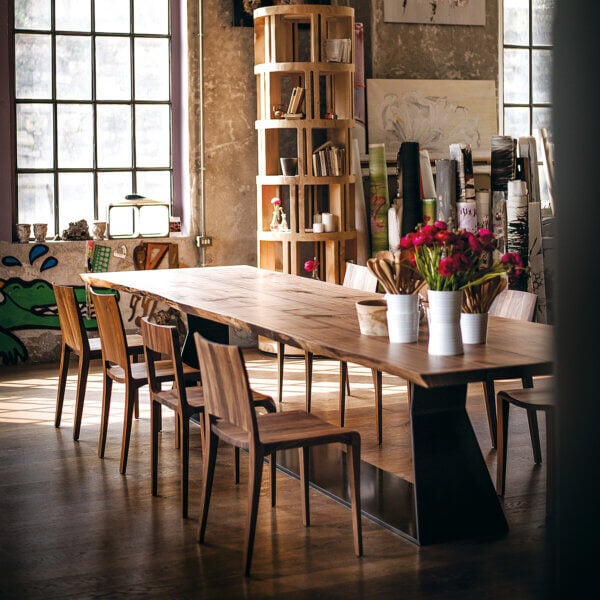
Think terracotta floors, clay-toned walls, and natural stone — tones that come from centuries-old villas, sun-drenched Tuscan hills, and Mediterranean sunsets. These warm, muted colors create an organic foundation that feels grounded and timeless.
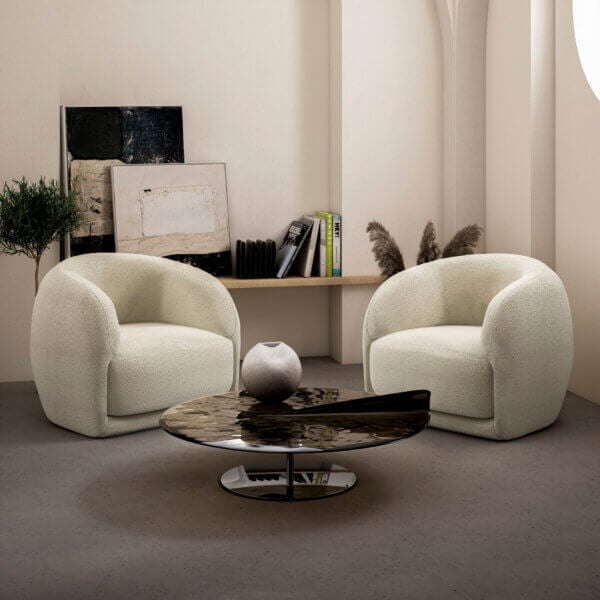
Rather than stark white, walls are often painted in chalky neutrals, soft beige, warm sand, or burnt sienna. These tones offer warmth and depth while remaining elegant and neutral. They’re not designed to pop — they’re designed to embrace.
This approach reflects a philosophy of design rooted in place: not chasing trends, but reflecting nature and tradition.
2. Saturated Accents with Restraint
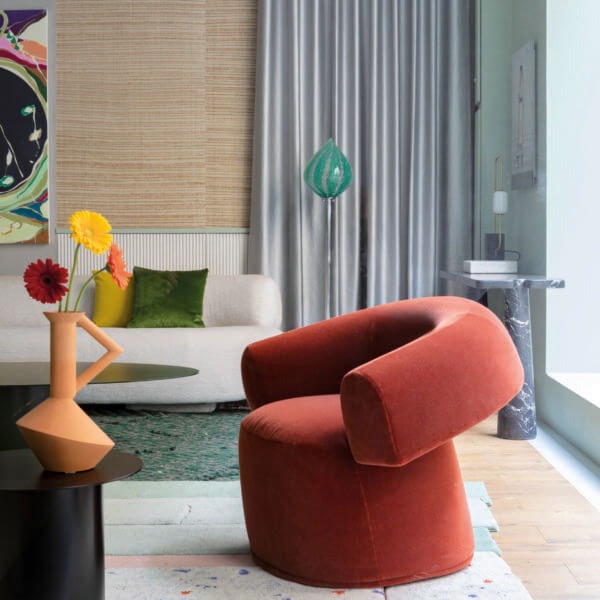
While Italian design loves warmth, it doesn’t shy away from bold color — it simply applies it with precision.
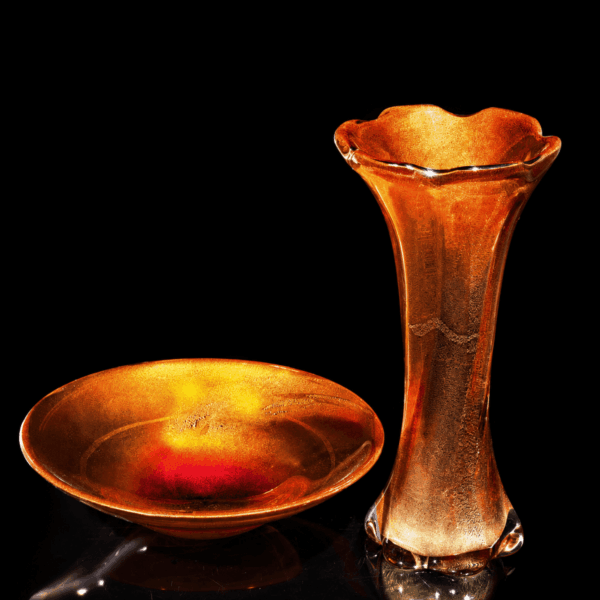
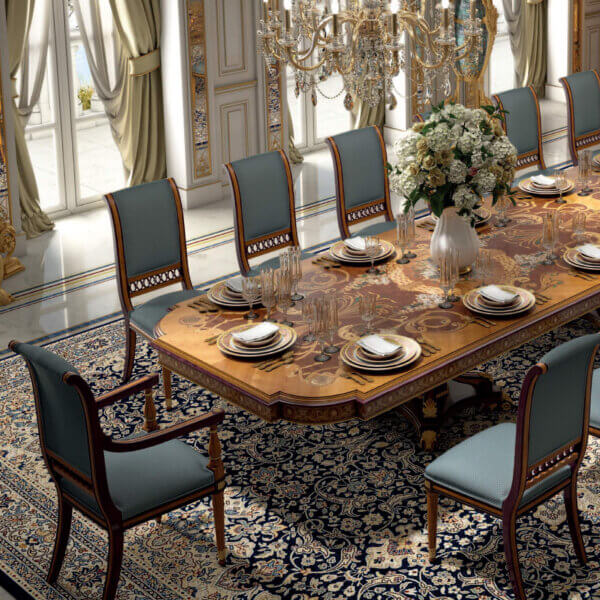
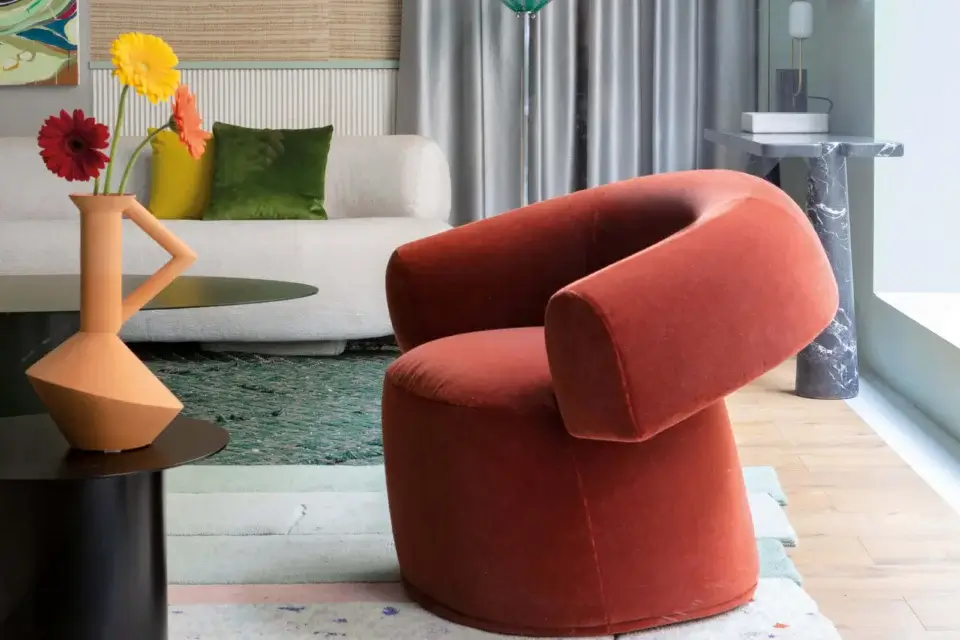
You’ll often see rich tones like forest green, navy blue, deep burgundy, or even mustard yellow. But they’re rarely overused. Instead, these accents appear in velvet armchairs, lacquered cabinetry, ceramic vases, or bold art pieces.
This careful use of saturated tones creates visual tension and richness. It allows the eye to travel without overwhelming the senses. In essence, color is treated like fine jewelry: meaningful, not excessive.
By balancing boldness with restraint, Italian interiors maintain their signature elegance.
3. Inspired by Fashion and Art
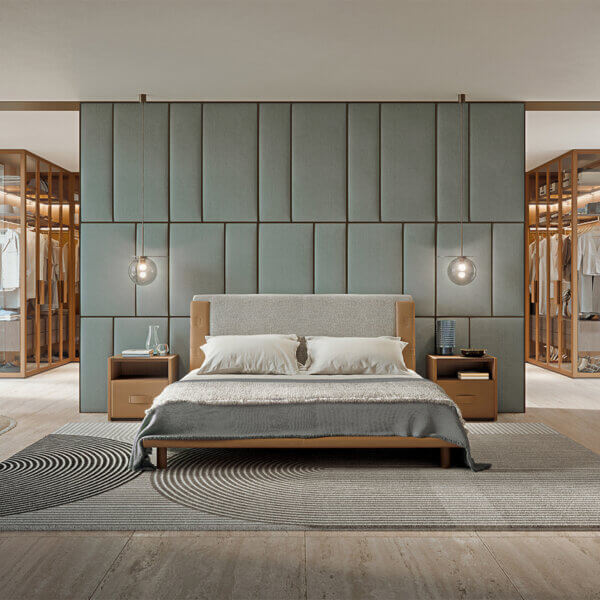
In Italy, design doesn’t exist in isolation — it flows between fashion, architecture, and art.
Many Italian interiors draw their palettes from the runways of Milan, classical art, or regional crafts. The deep red of a Valentino dress, the dusty blue of a Renaissance fresco, or the soft olive green of Italian military uniforms — all of these inspire color stories in furniture, walls, and fabrics.
This connection ensures that even dramatic color choices feel intentional and culturally resonant. They don’t follow fleeting trends. They’re rooted in identity and history.
This is what sets Italian design apart: a boldness that still feels timeless.
4. Color Through Materials, Not Just Paint
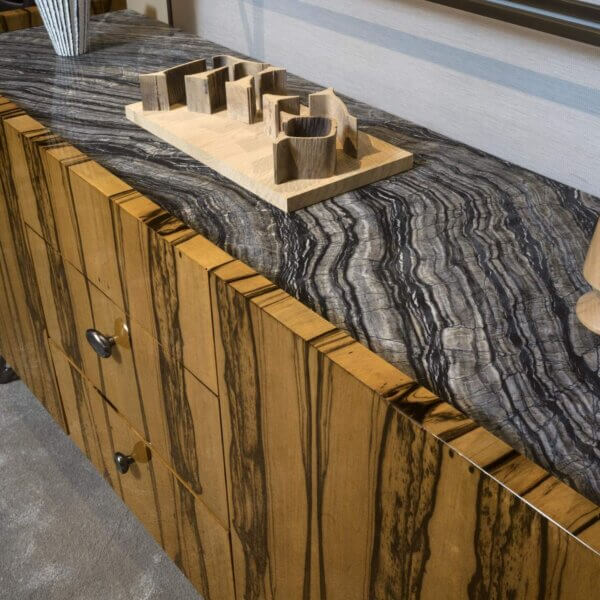
One of the most refined aspects of Italian design is how it uses materiality to introduce color.
Rather than coating walls in vibrant paint, color often enters a space through:
-
Green marble countertops
-
Amber-hued wood finishes
-
Oxide-glazed ceramics
-
Rust-colored velvet sofas
-
Patinated metals and warm leathers
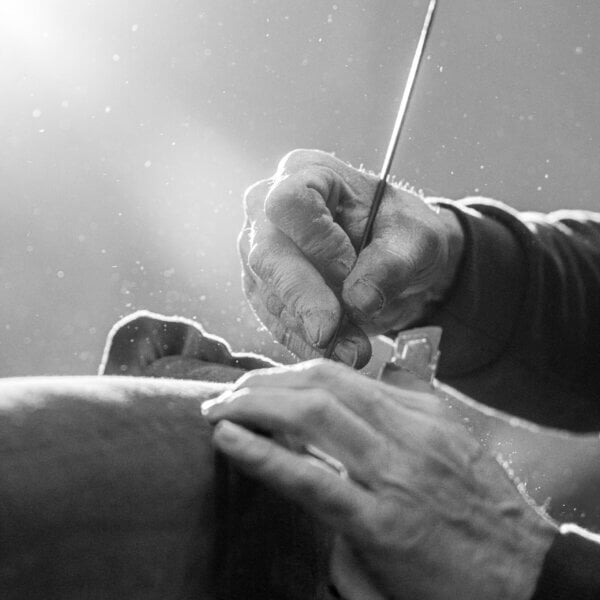
These materials offer more than just hue—they offer texture, depth, and character. They age gracefully. They interact with light. They invite touch.
This is where Italian interiors reveal their mastery: understanding that color isn’t a surface—it’s an experience.
Final Thoughts: Color as Culture
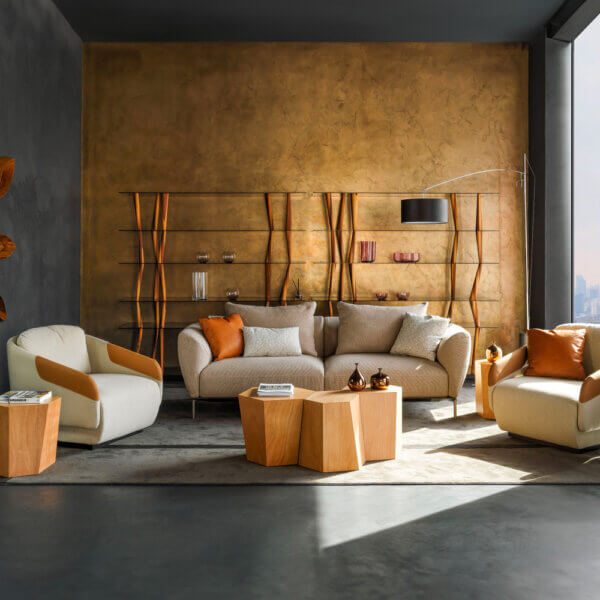
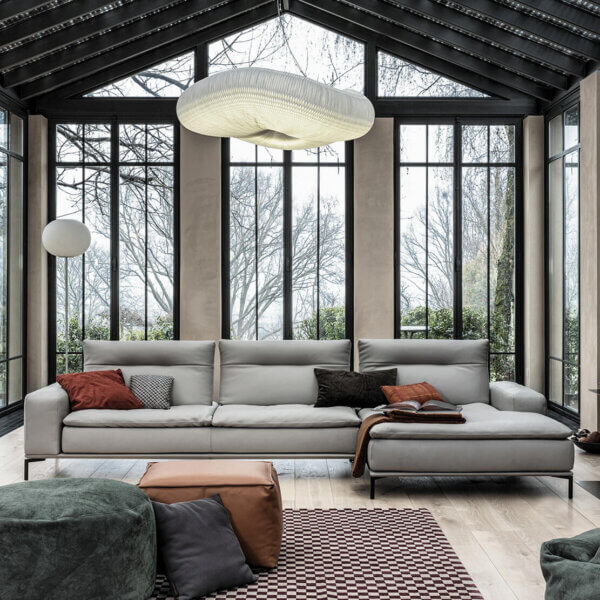 Carlton Sectional by Cierre 1972
Italian interiors remind us that color doesn’t have to be loud to be powerful.
It can whisper. It can anchor. It can tell a story.
While other design cultures may treat color as a seasonal decision, Italy treats it as an extension of identity — rooted in place, tradition, and emotional resonance.
If you’re considering how to bring color into your projects without losing elegance, take a cue from Italy:
Ground your palette in nature, use boldness sparingly, and let materials speak.
Interested in bringing this philosophy into your space?
Explore our collection of Italian-made furniture and finishes—where material, color, and craftsmanship meet.
📩 Contact our design team for tailored consultations.