The Enduring Beauty of Solid Wood: Transitional Living
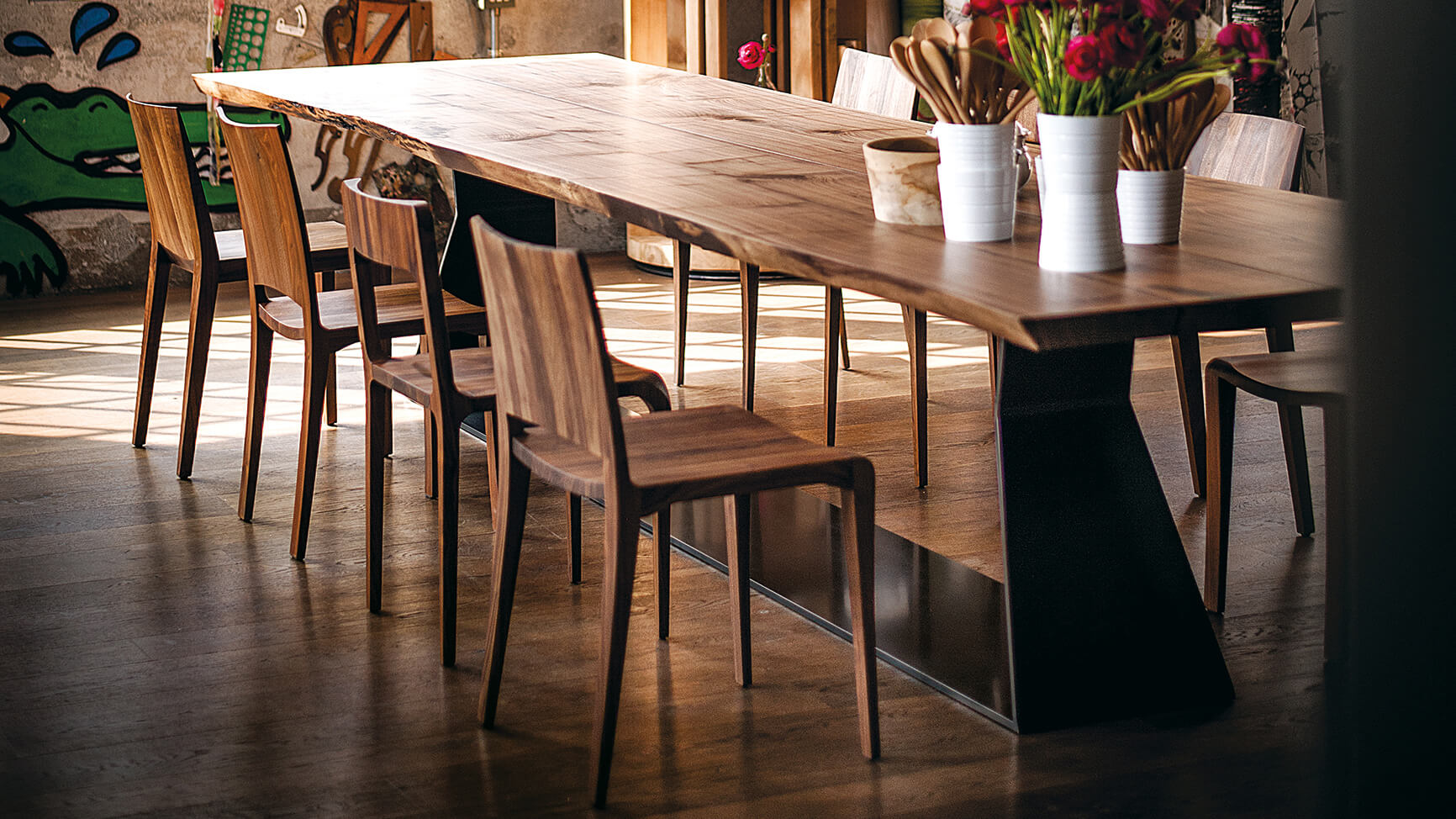
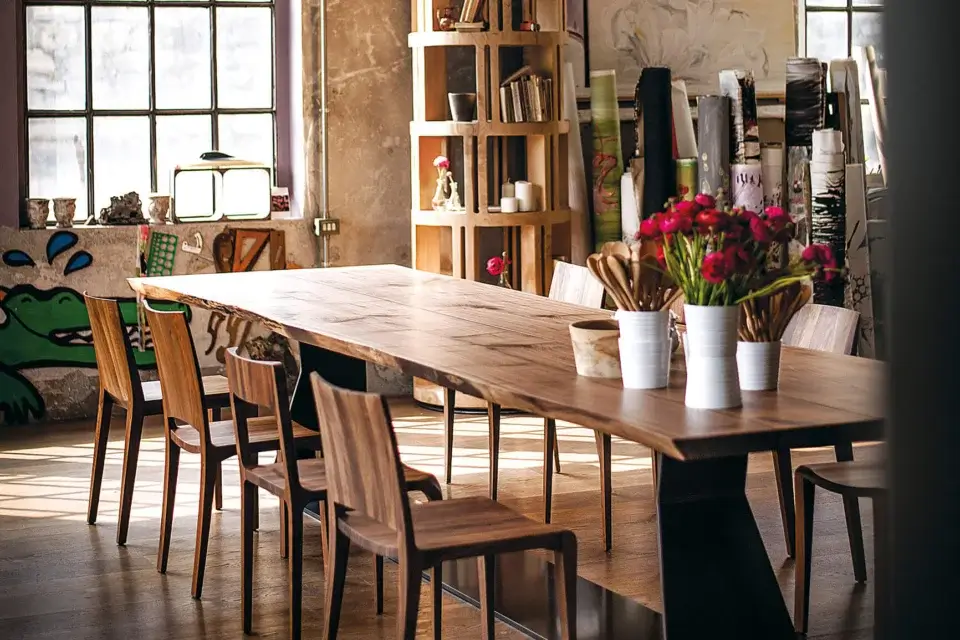
Bedrock Plank C Table, Piano Design, Voltri & Sleek Chairs by Riva1920
In contemporary interiors, few materials carry the same sense of permanence as solid wood. Its texture, weight, and natural character introduce a warmth that no synthetic finish can fully replicate. Unlike materials designed for uniformity, wood evolves over time, responding to light, touch, and everyday use in ways that make each piece increasingly personal.
Within transitional interiors, where classic elegance meets contemporary restraint, solid wood plays an especially important role. It softens architectural spaces, balances minimal forms, and introduces a sense of authenticity that feels both grounding and refined.
Rather than dominating the room, it quietly shapes the atmosphere around it.
A Material That Brings Depth to Interiors
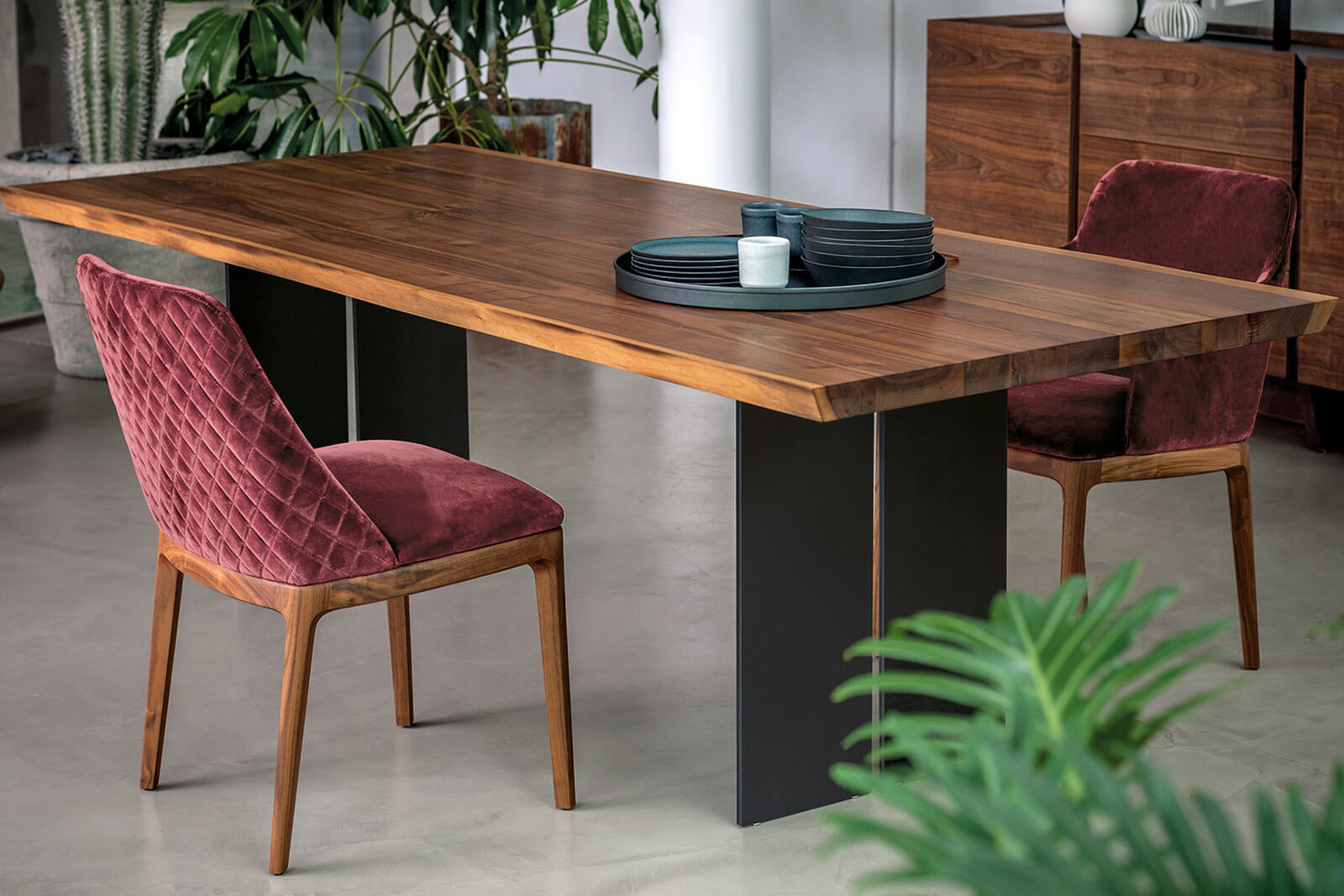
Natura Table & Cloe Chairs by Riva1920
One of the defining qualities of solid wood is its ability to add visual richness without relying on ornamentation. Grain variation, tonal movement, knots, and subtle imperfections create depth naturally, allowing the material itself to become part of the design language.
In transitional spaces, where balance and restraint are essential, this becomes especially valuable. Wood introduces character without excess. Even the cleanest contemporary interiors feel more inviting when layered with natural materials that carry texture and warmth.
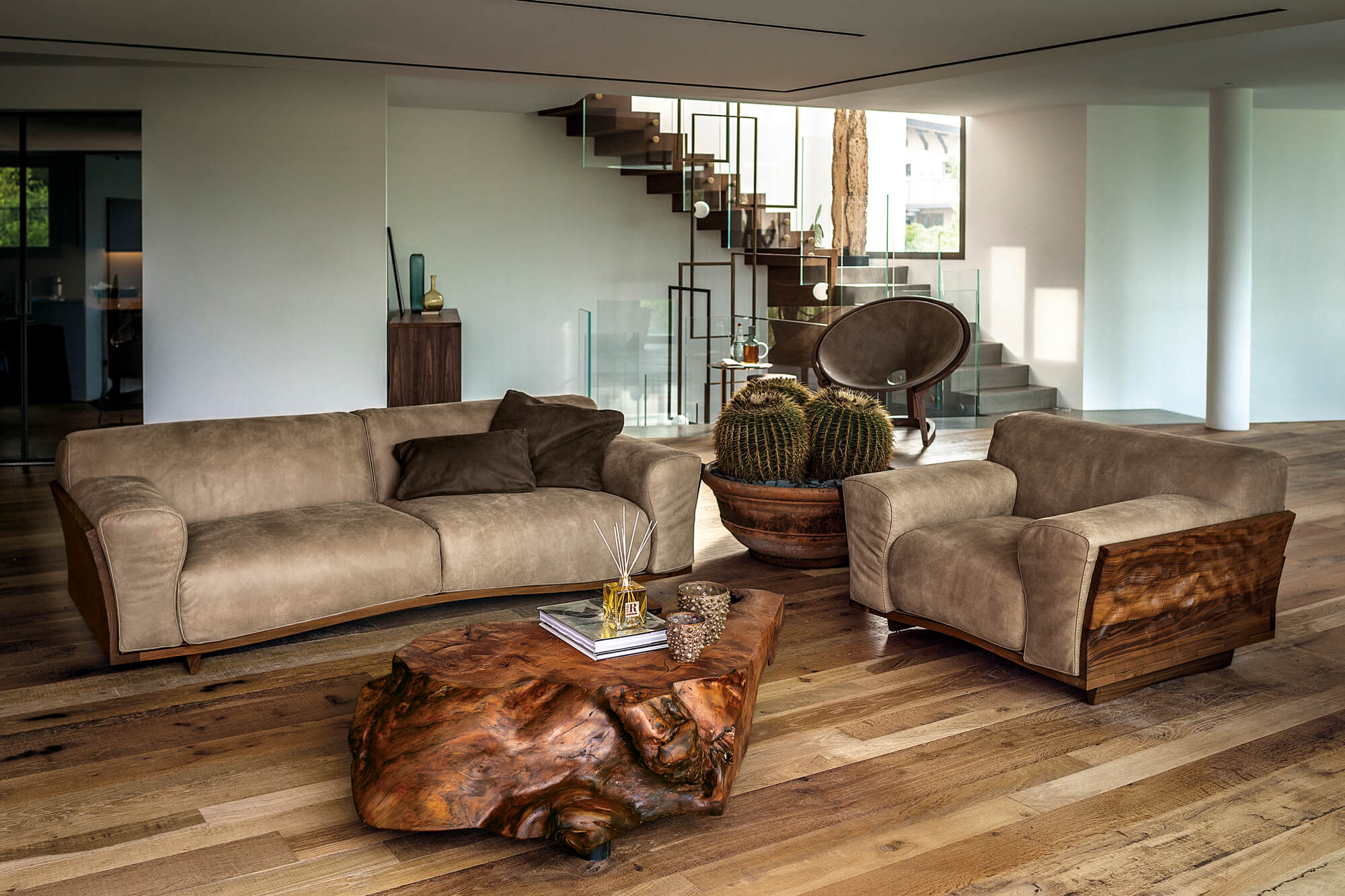
Nudo Sofa, Nudo Lounge Chair & Kauri Stump Coffee Table by Riva 1920
Whether used in dining tables, sideboards, shelving, or accent pieces, solid wood has a way of making spaces feel more complete and more lived-in.
This is perhaps why it remains so enduring across changing design trends.
The Relationship Between Transitional Style and Natural Materials
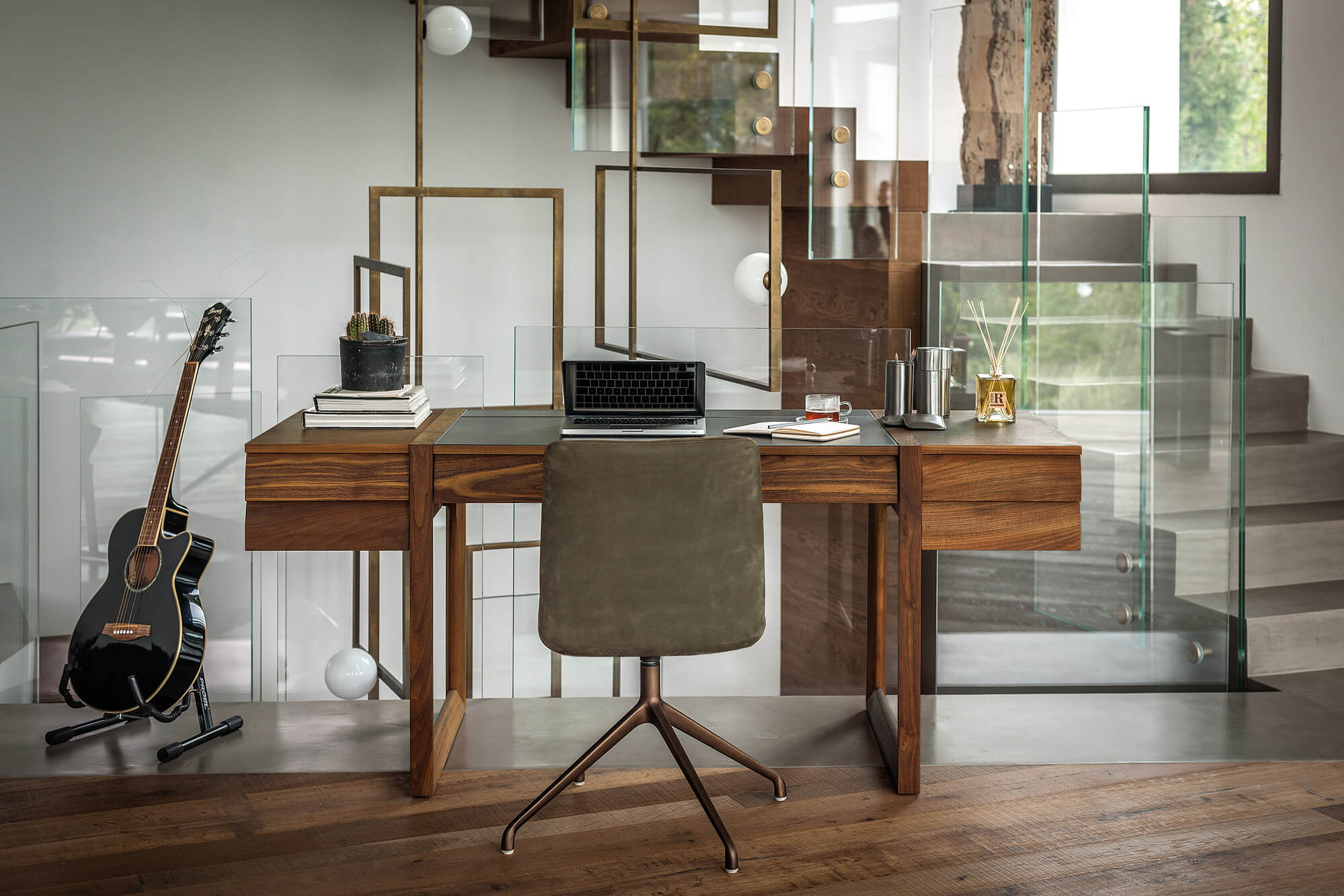
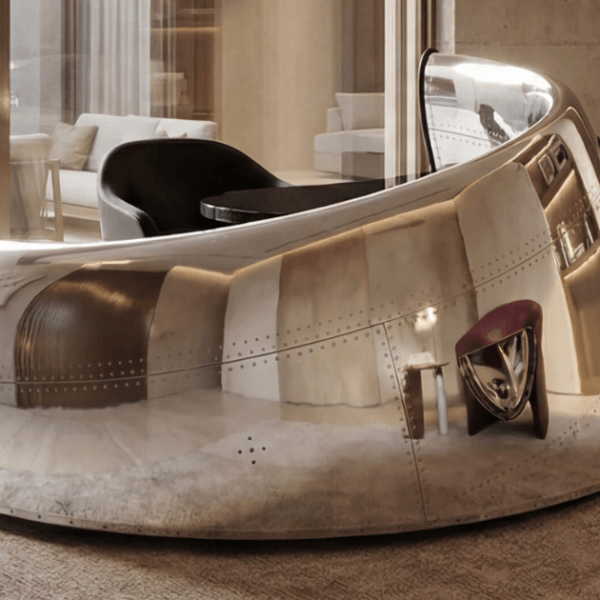
Elle Ecrit Desk & Soft Chair by Riva1920
Transitional interiors often rely on contrast: soft against structured, refined against relaxed, modern against familiar. Natural materials help create that balance.
Solid wood works particularly well within this approach because it bridges both worlds effortlessly. A contemporary silhouette crafted in oak or walnut immediately feels warmer and more timeless. Likewise, classic forms become lighter and more current when paired with cleaner finishes and restrained styling.
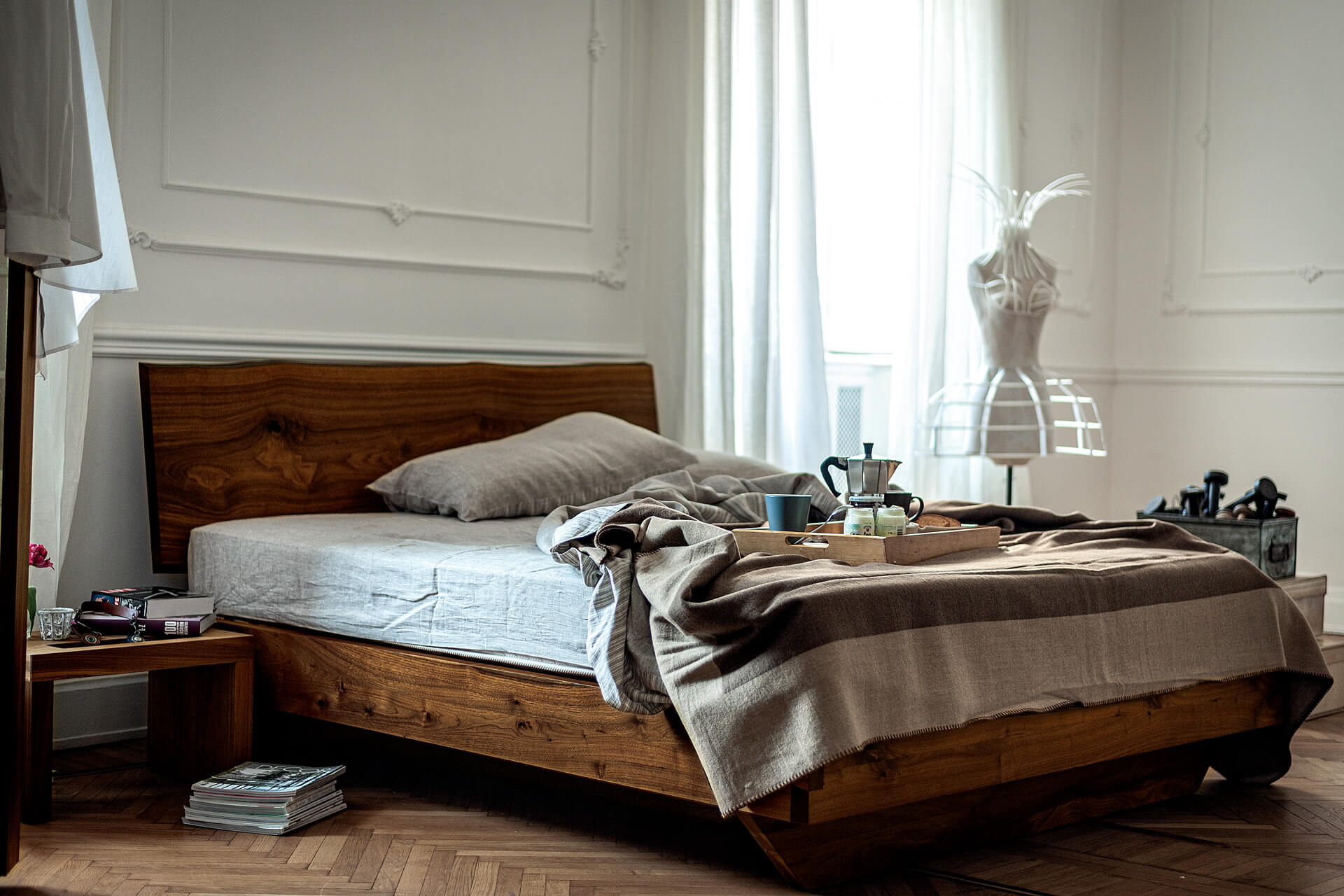
Natura 6 Bed by Riva1920
This interaction between form and material is what gives transitional interiors their sense of quiet sophistication. Spaces feel curated, but not formal. Elegant, but still approachable.
The presence of natural wood also introduces a tactile quality that helps soften contemporary environments, especially when paired with linen, stone, metal, or textured upholstery.
Craftsmanship and Contemporary Simplicity
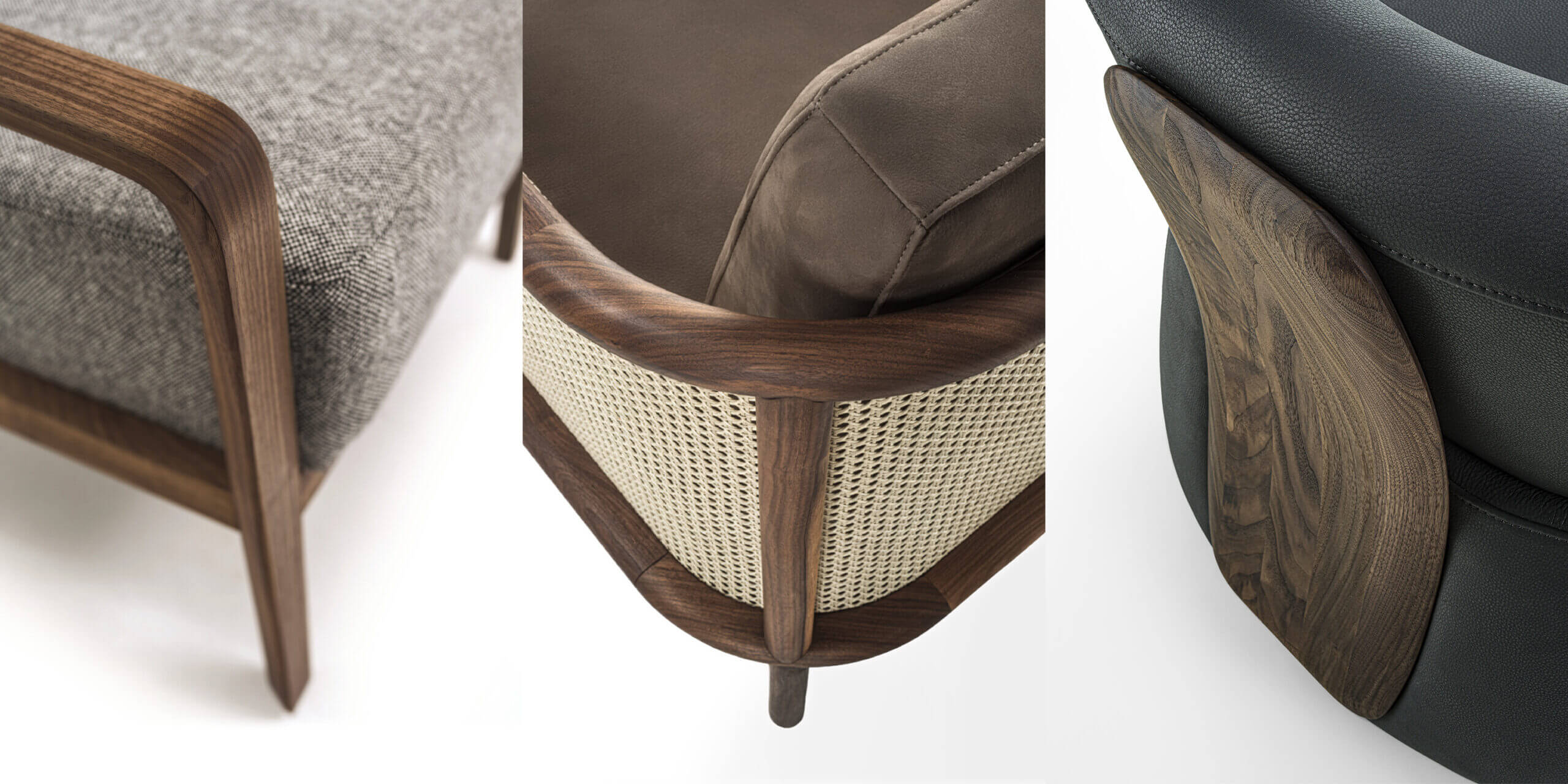
Noblé, Vienna & Passo Lounge Chairs by Riva1920
Many of today’s most refined interiors share a common philosophy: simplicity elevated through material quality and craftsmanship. Rather than relying on decorative excess, the focus shifts toward proportion, construction, and authenticity.
This approach is particularly visible in Italian furniture design, where traditional woodworking knowledge continues to influence contemporary pieces. Clean lines are balanced by rich finishes, carefully constructed joinery, and surfaces that highlight the natural beauty of the material itself.
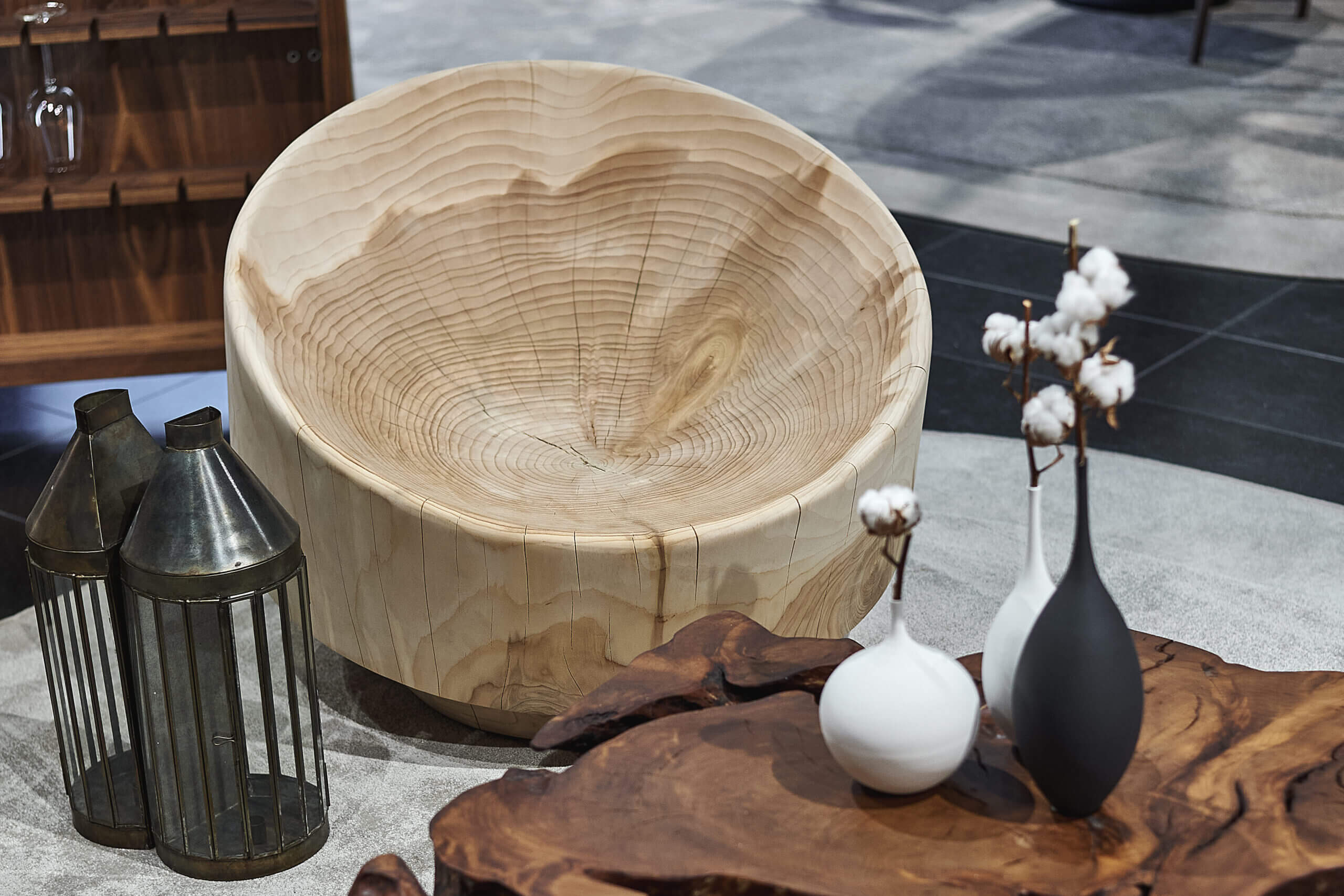
Palio Lounge Chair by Riva1920
Among the collections recently added to Cassoni.com, Riva 1920 reflects this sensibility through solid wood pieces that combine understated forms with a strong respect for natural materials.
The result feels aligned with transitional living: timeless, balanced, and designed to age gracefully within evolving interiors.
Furniture Designed to Evolve Over Time
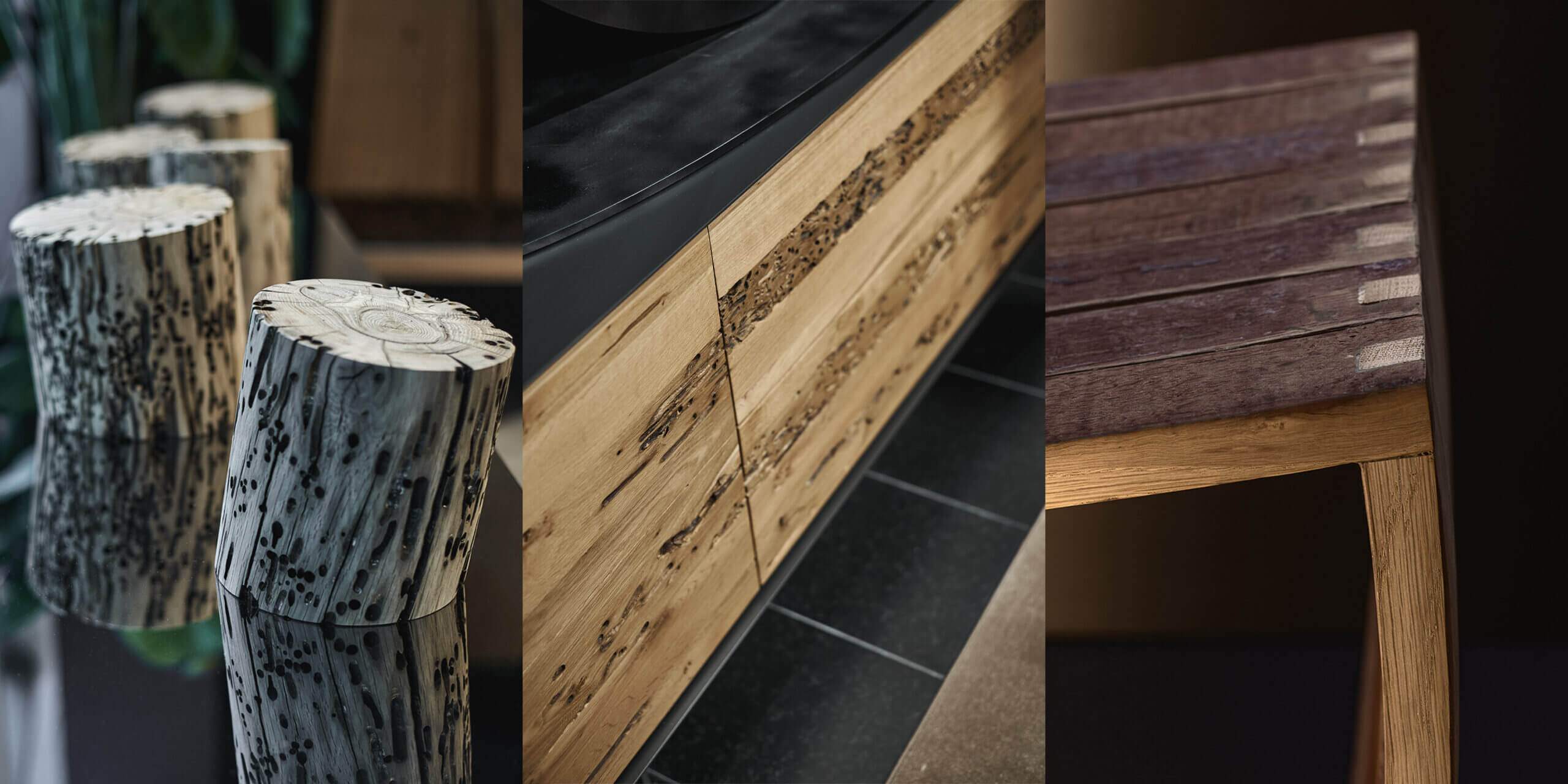
Venice Console, Rialto Fly Sideboard & Bottea Bench by Riva1920
Unlike trend-driven furnishings that are quickly replaced, solid wood furniture is often chosen with longevity in mind. Over time, surfaces develop subtle patina, textures soften, and the material gains additional character through use.
These gradual changes are not viewed as imperfections, but as part of the life of the piece itself. The furniture becomes connected to the space around it and to the routines that shape everyday living.
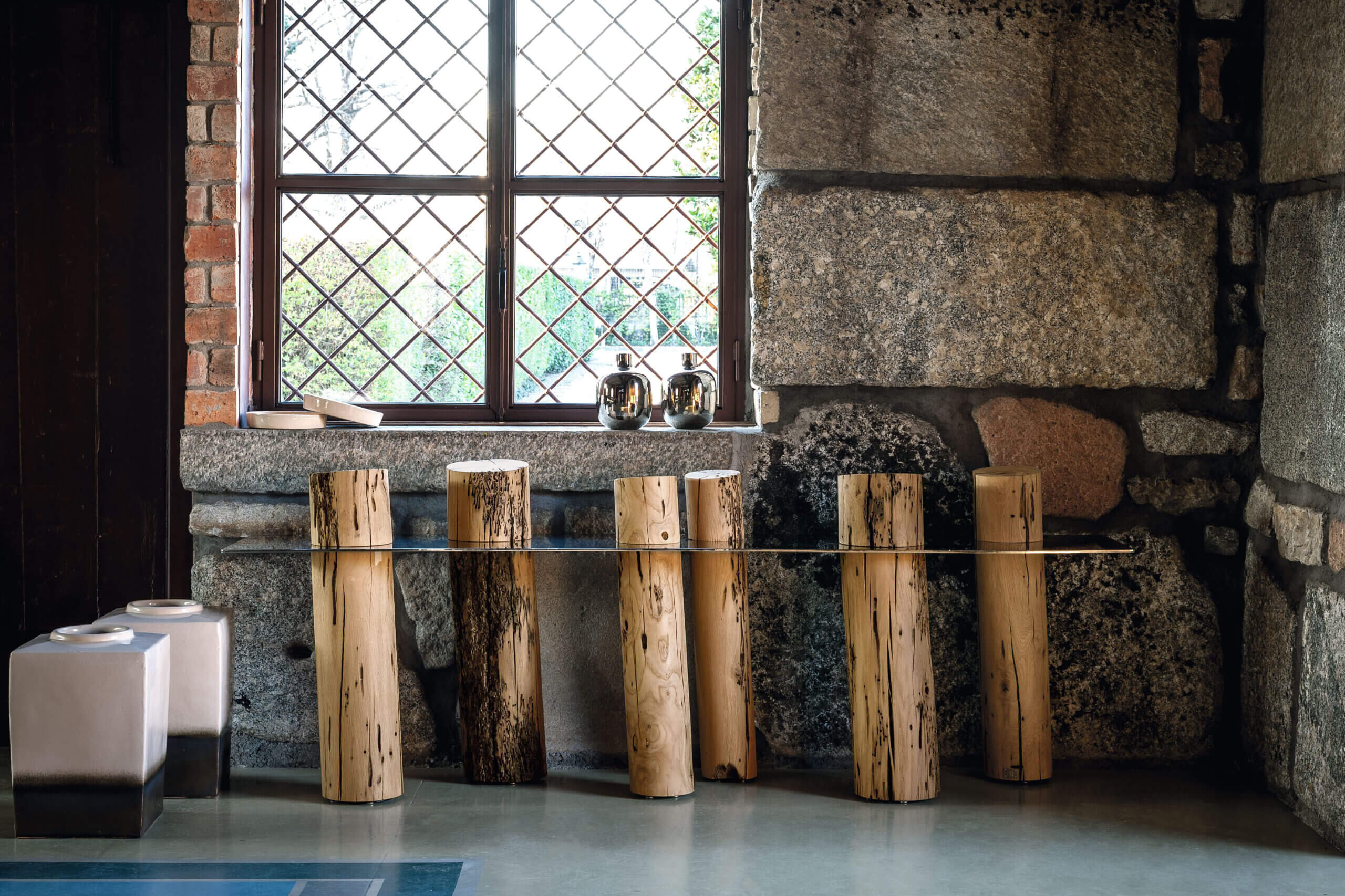
Venice Console by Riva1920
This perspective introduces a quieter, more enduring form of luxury, one rooted in permanence rather than novelty.
It also explains why solid wood continues to feel relevant regardless of changing trends: its appeal is tied not to fashion, but to authenticity.
A Lasting Presence in Transitional Interiors
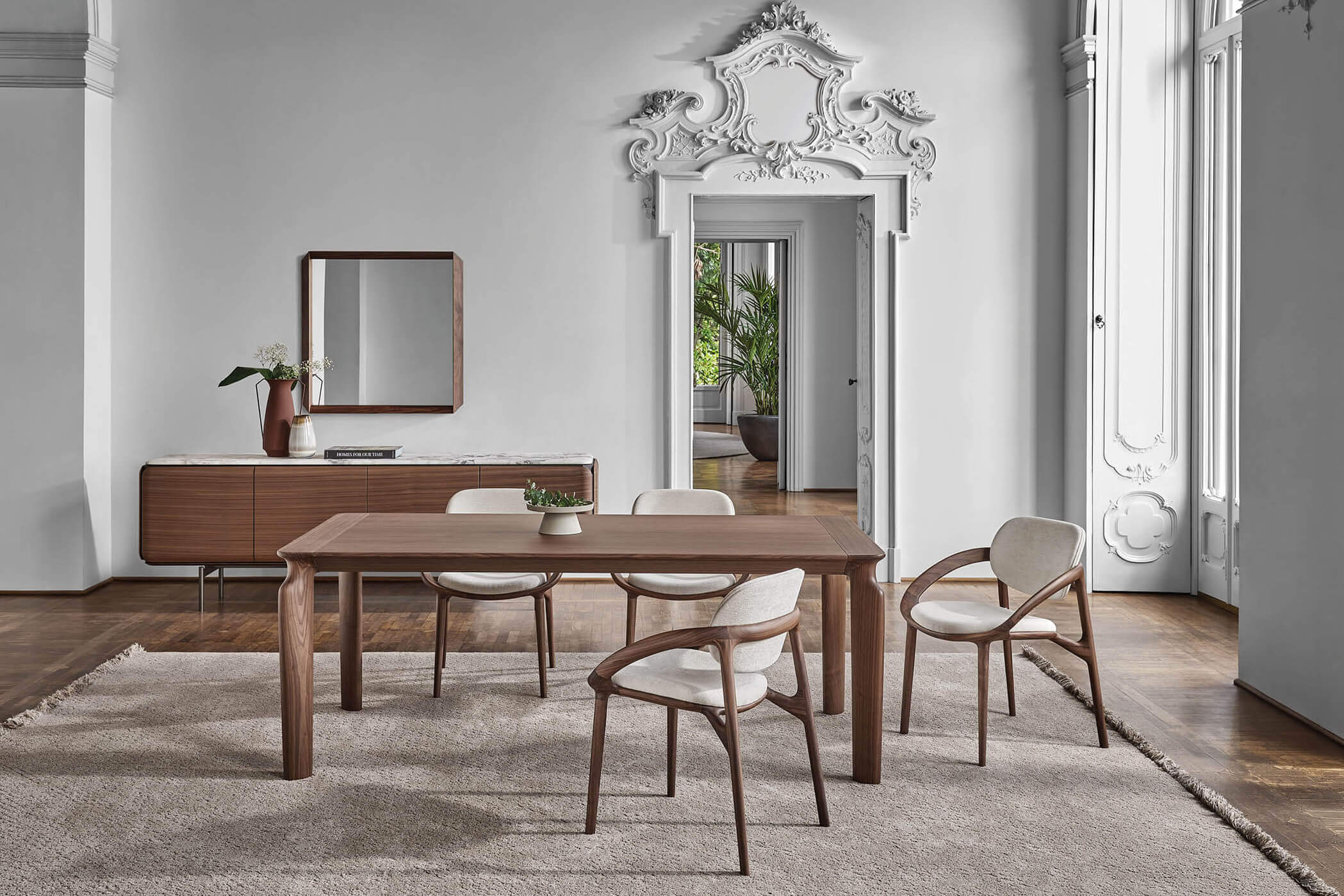
Amphora Extendable Table, Molly Armchair & Pebble Sideboard by Porada
As interiors continue moving toward more balanced and livable environments, solid wood remains one of the materials most capable of creating that feeling naturally.
Its warmth softens minimalism. Its texture enriches neutral palettes. Its permanence brings stability to spaces increasingly centered around comfort and longevity.
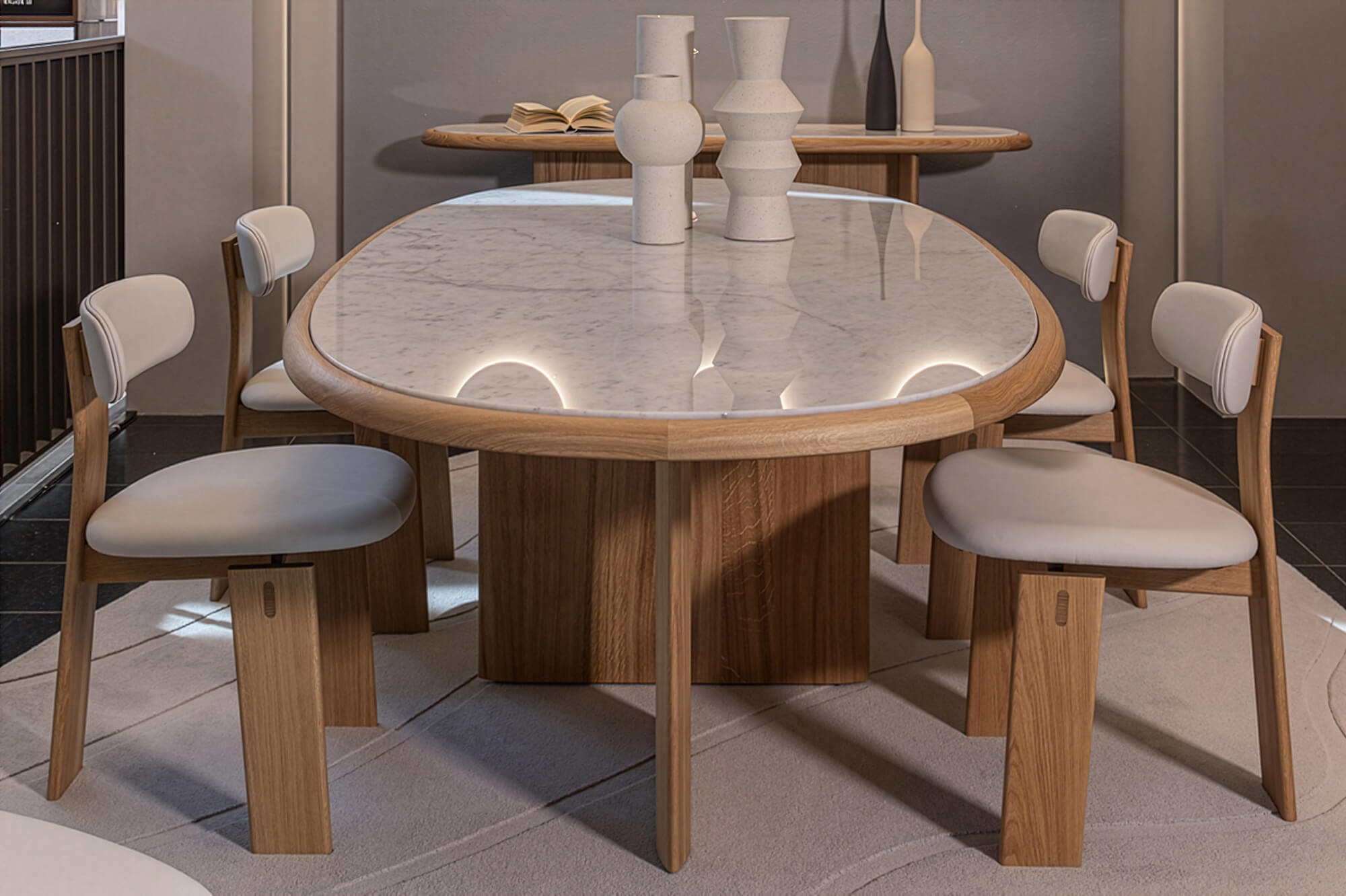
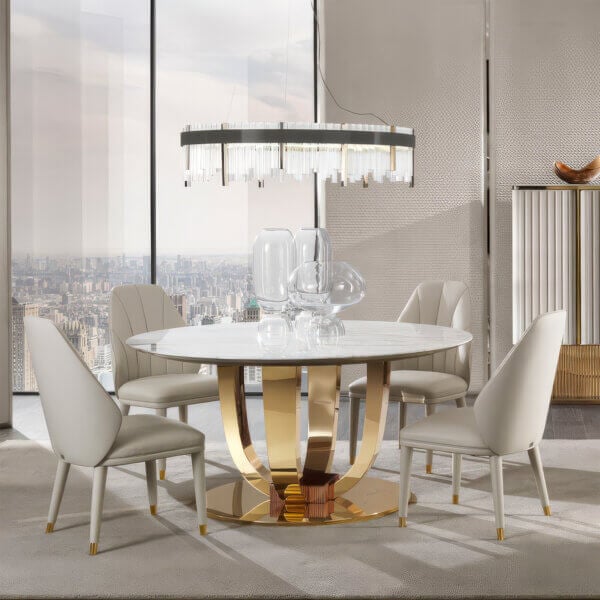
Suiseki Marble Table & Heiko Chairs by Riva1920
Within transitional interiors especially, solid wood introduces something difficult to replicate: a sense of quiet continuity between past and present, craftsmanship and contemporary living.
It is not simply a design choice, but a material that shapes how a space feels over time.
Discover our entire Transitional Collection: Here →
Read more articles like this one: Discover our Journal →