The Italian Art of Living: What Makes Italian Furniture Timeless
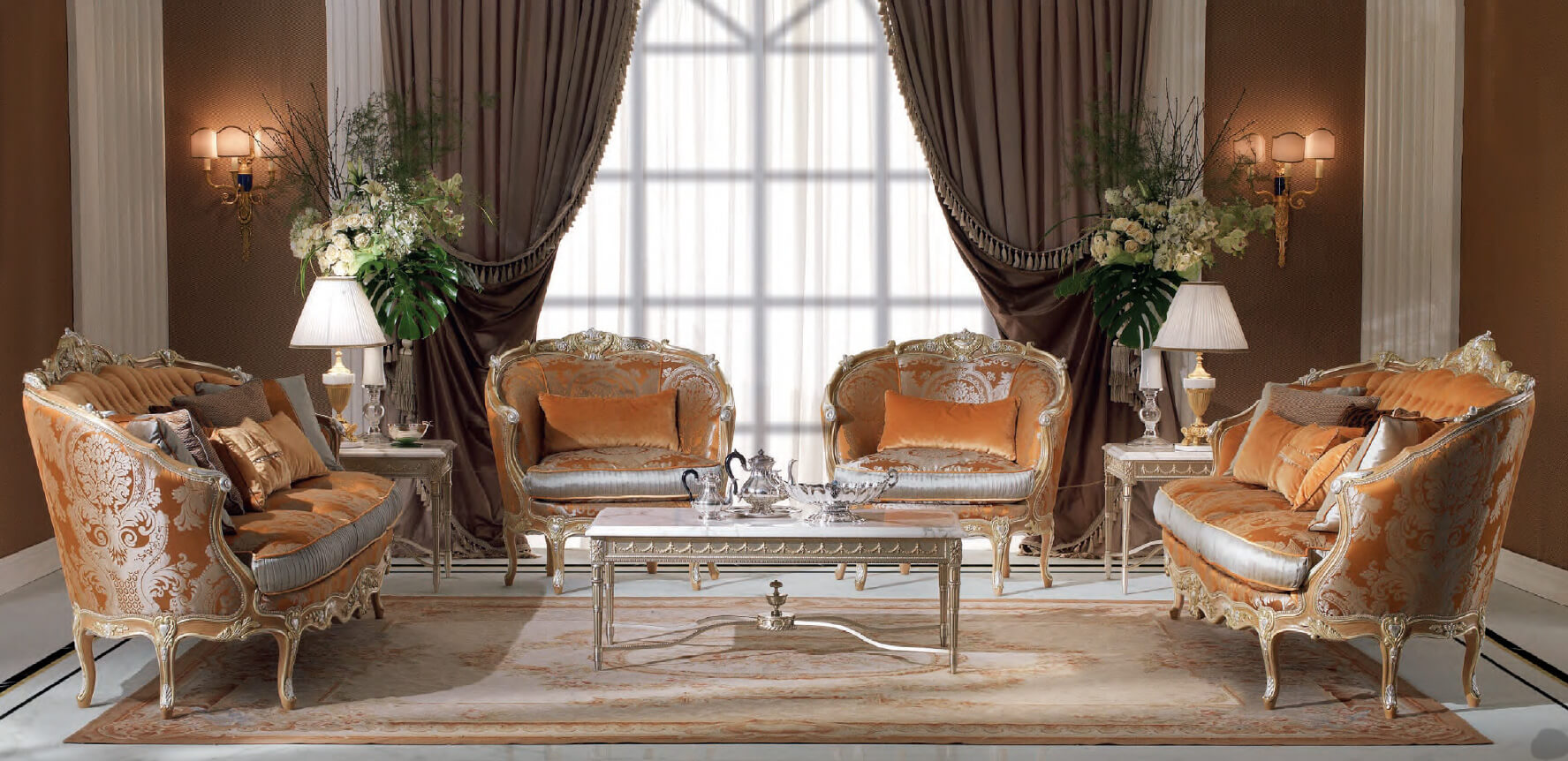
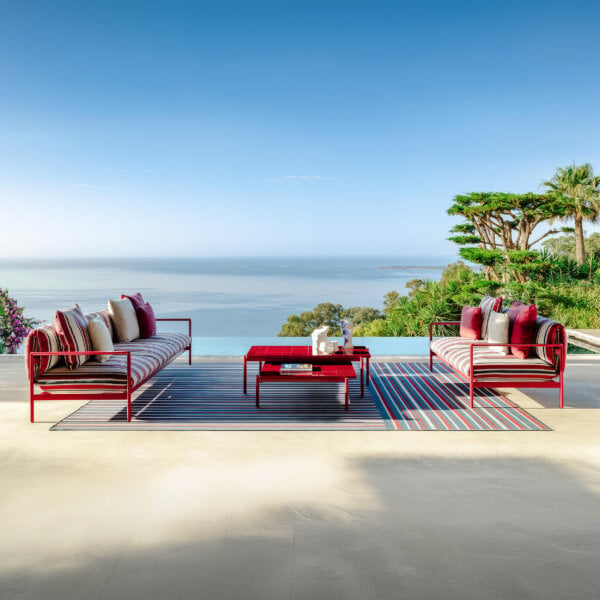
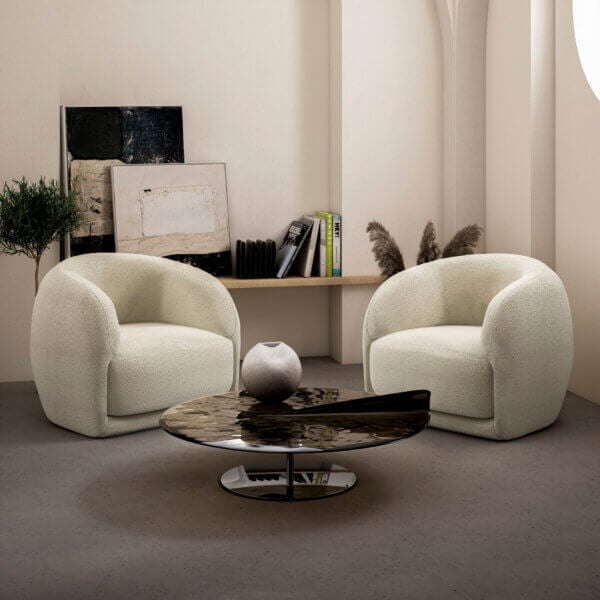
A1242 Sofa, A1243 Lounge Chair, A1282 Coffee Table and A1283 Side Table by Armando Rho
There is a reason Italian furniture has never fallen out of favor. Across centuries, shifting trends, and evolving lifestyles, it has remained a constant reference point for elegance, craftsmanship, and cultural depth. To speak of Italian design is not simply to describe a style, it is to describe a way of living, where beauty and function are inseparable, and where every object carries intention.
This enduring appeal is not accidental. It is the result of a philosophy deeply rooted in history, material knowledge, and an unwavering commitment to quality.
A Culture of Craftsmanship

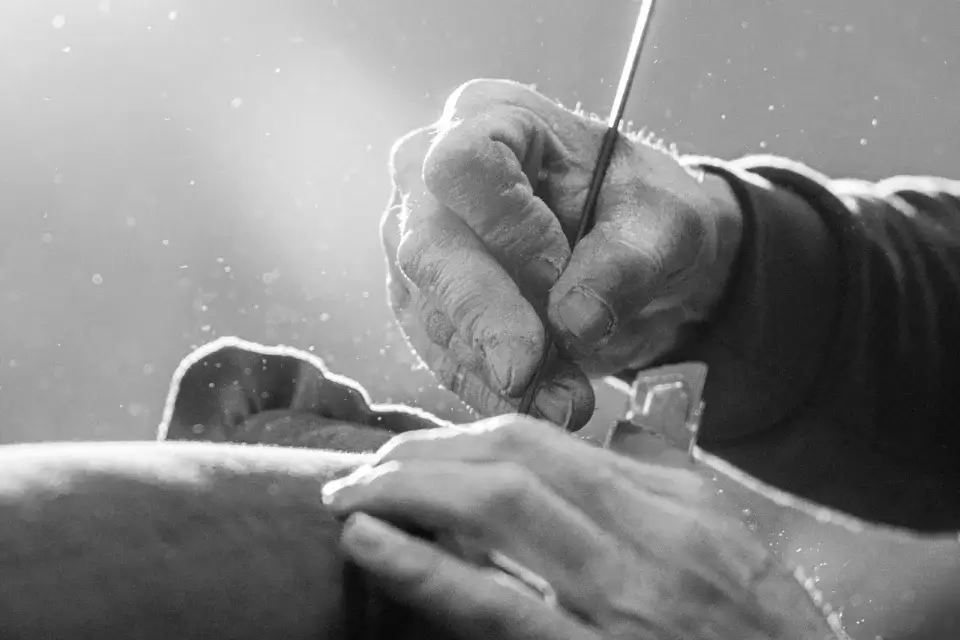
Production line images by Visionnaire
At the heart of Italian furniture lies craftsmanship, not as a marketing concept, but as a generational practice. Many of the country’s most respected manufacturers began as small workshops, where techniques were passed down and refined over decades.
Hand-carved wood, carefully applied finishes, and upholstery executed with precision are not exceptions; they are expectations. This attention to detail creates pieces that feel considered from every angle, where even unseen elements are treated with care.
In an era dominated by mass production, this level of dedication introduces something increasingly rare: authenticity.
Materials That Age With Grace
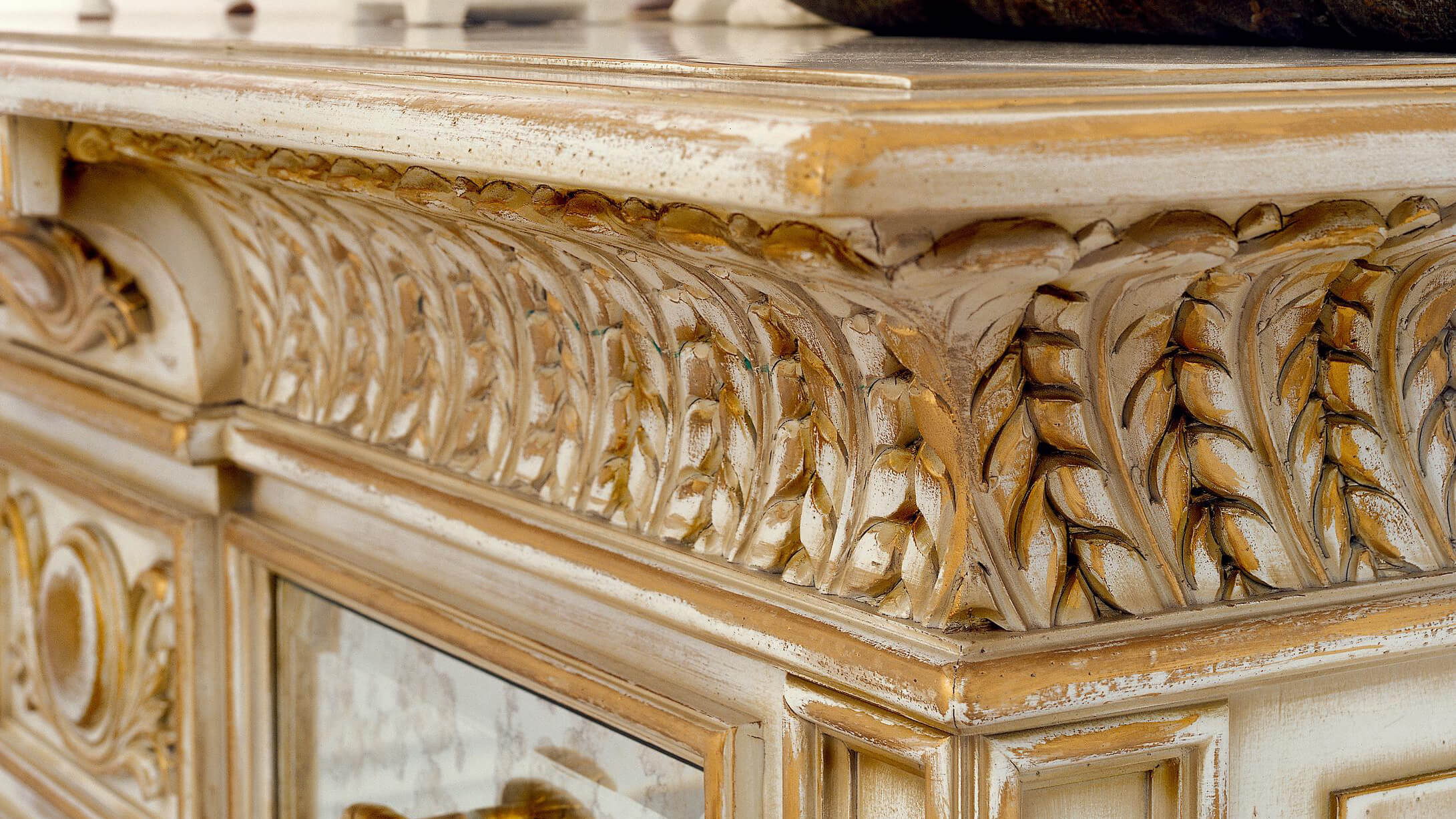
Constellation Dresser by Faber Mobili
Italian furniture is defined not only by how it looks when new, but by how it evolves over time. Solid woods, natural stones, fine leathers, and premium textiles are selected for their ability to mature, developing character rather than deteriorating.
A dining table becomes richer in tone. Leather softens and gains depth. Marble surfaces subtly shift with use. These changes are not flaws, they are part of the story each piece tells.
This long-term perspective reinforces a different kind of luxury: one that values permanence over immediacy.
Balance Between Form and Function
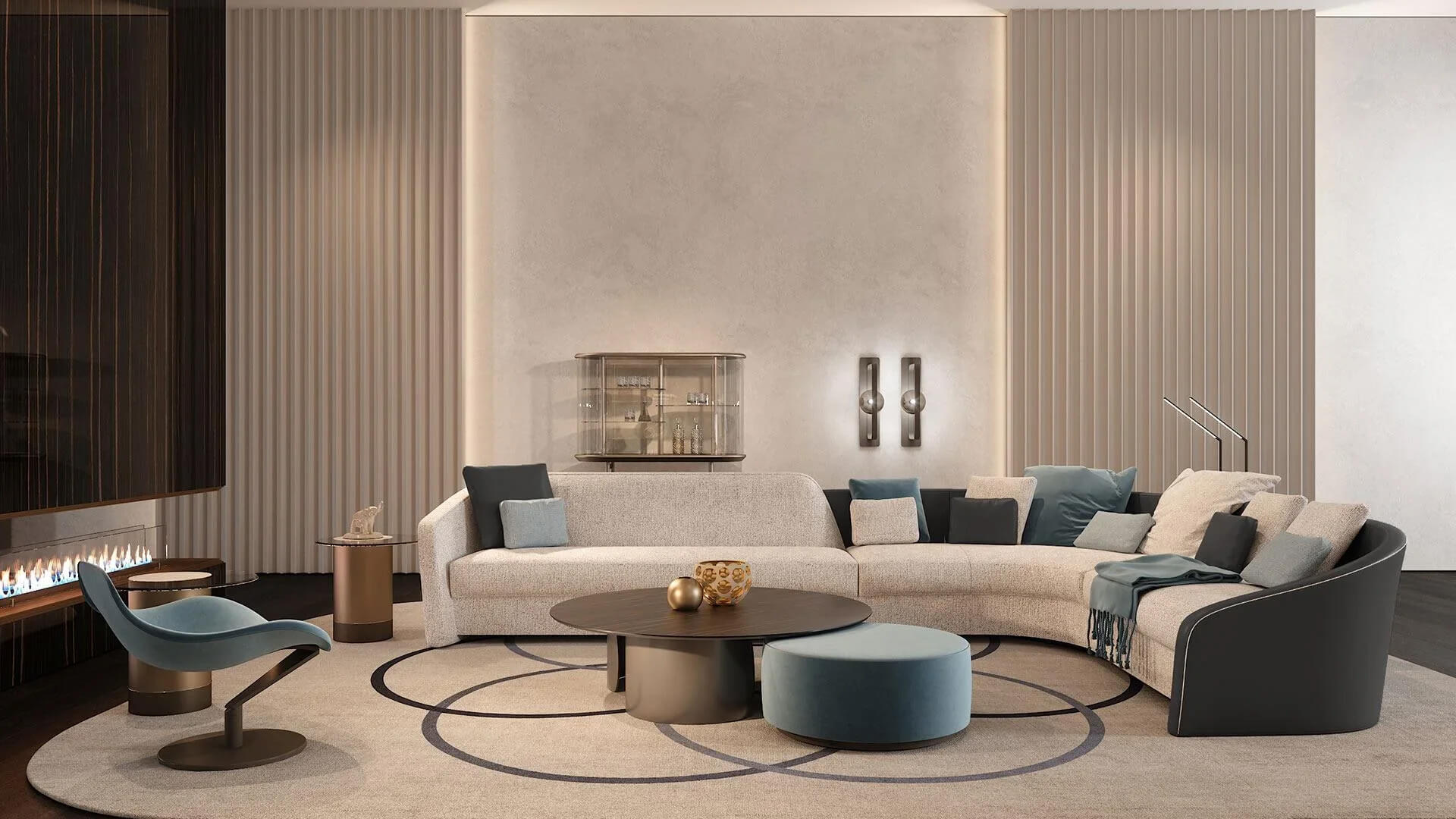
Stratum Sectional and Living Room setting by Reflex
Italian design has long mastered the delicate balance between aesthetics and usability. Proportion, comfort, and practicality are never sacrificed for visual impact; instead, they are integrated into the design from the very beginning.
A sofa is not only sculptural, it invites relaxation. A dining chair supports the body through extended gatherings. Storage pieces are designed to organize without disrupting the visual harmony of a room.
This harmony is what allows Italian interiors to feel both elevated and effortlessly livable.
A Dialogue Between Innovation and Tradition
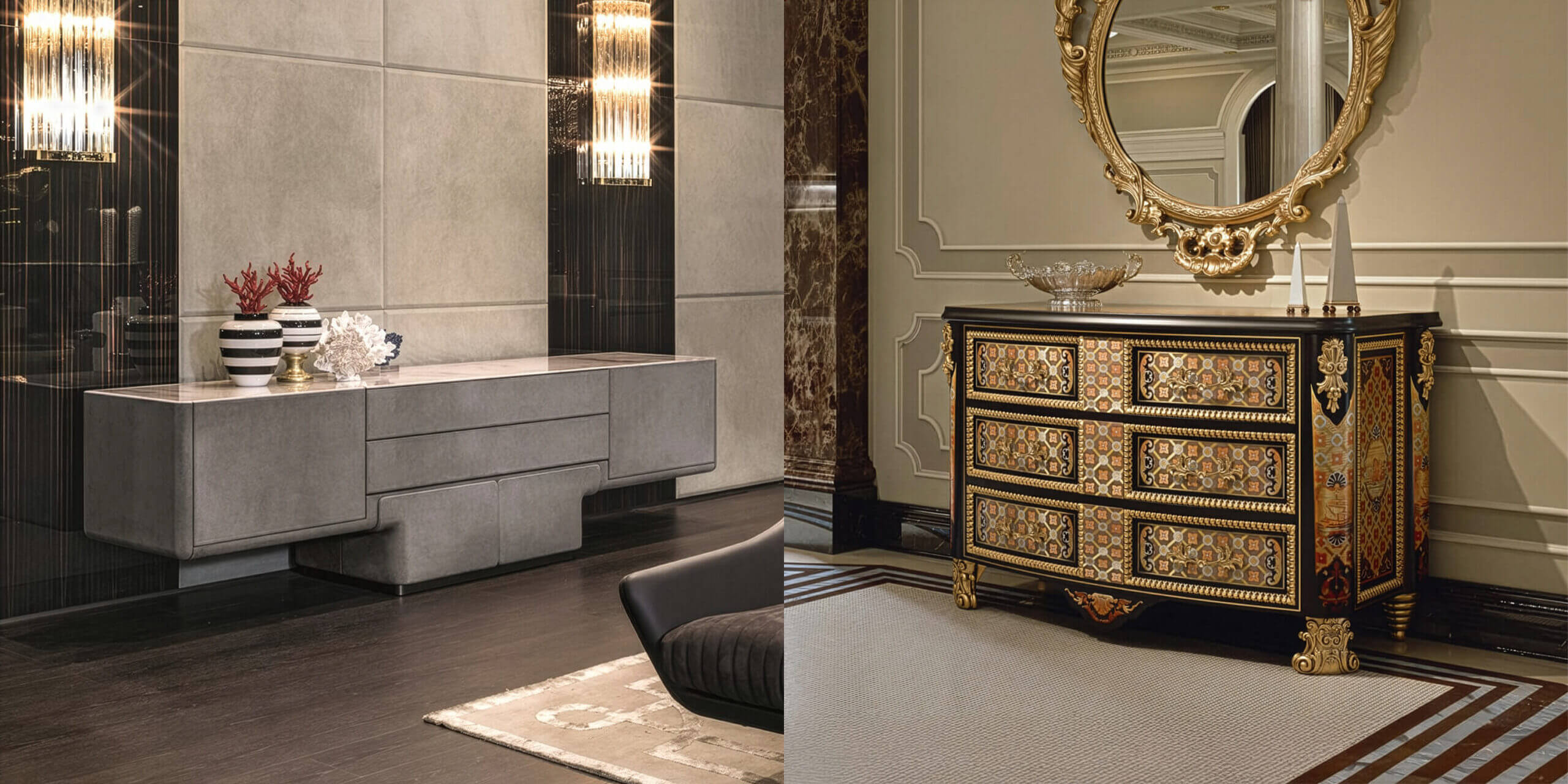
Do Sideboard by Longhi and W020 Sideboard by Zanaboni
One of the defining strengths of Italian furniture is its ability to evolve without losing its identity. Traditional techniques coexist with modern technologies, creating pieces that feel both rooted and forward-thinking.
Classic silhouettes are reinterpreted with cleaner lines. Ornamental details are refined rather than removed. New materials are introduced alongside time-honored ones.
This dialogue ensures that Italian design remains relevant, adapting to contemporary lifestyles while preserving its cultural essence.
Designed for Living, Not Just Display
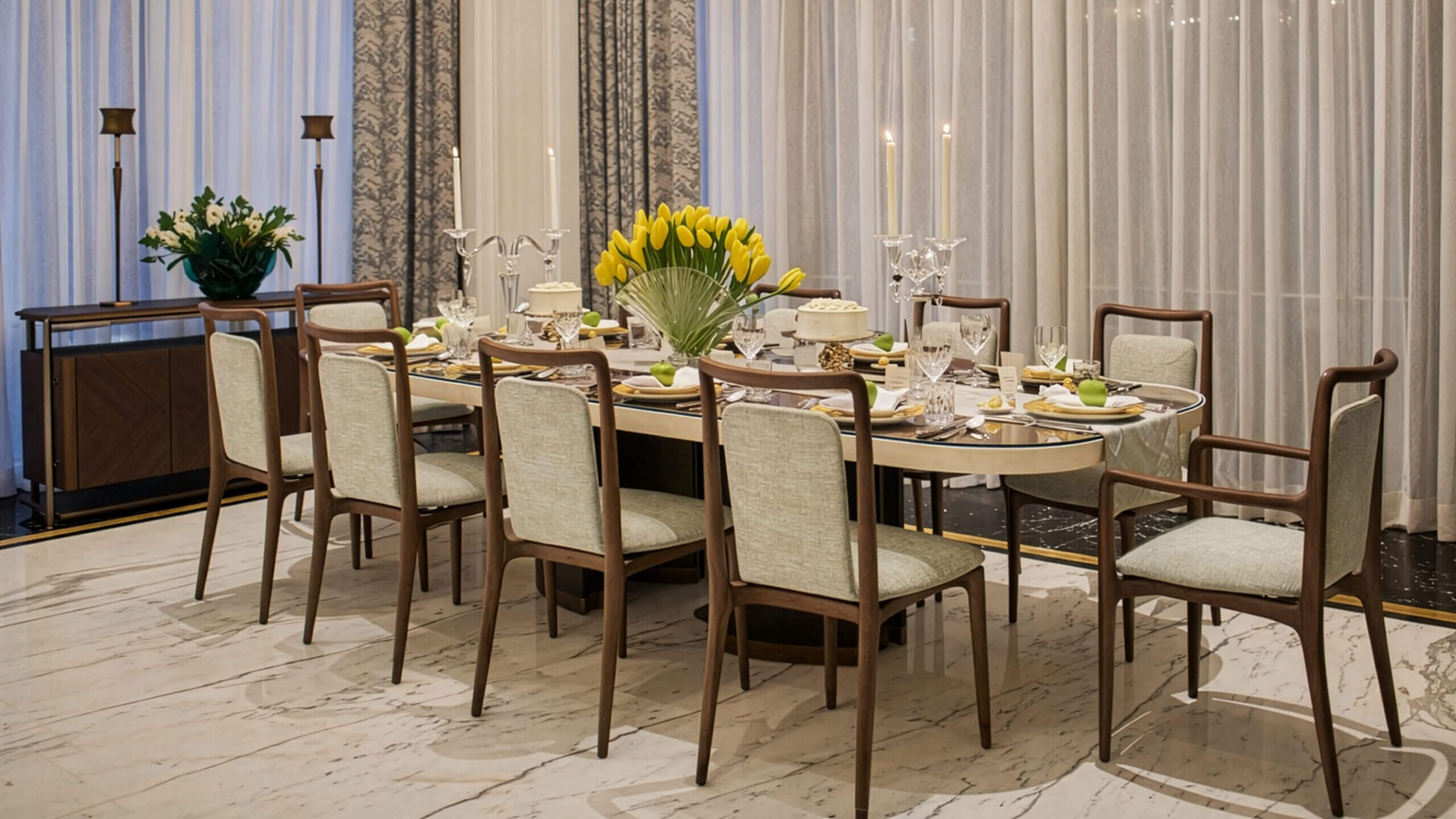
Project image by Giorgetti
Perhaps the most distinctive aspect of Italian furniture is its connection to lifestyle. Spaces are conceived not as showrooms, but as environments for living, hosting, gathering, relaxing, and enjoying everyday moments.
Rooms are layered, not rigid. Furniture is arranged to encourage conversation. Lighting is warm and intentional. There is always a sense that the space is meant to be inhabited, not simply admired.
This philosophy transforms interiors into experiences, where design enhances daily life rather than existing apart from it.
An Enduring Standard of Luxury
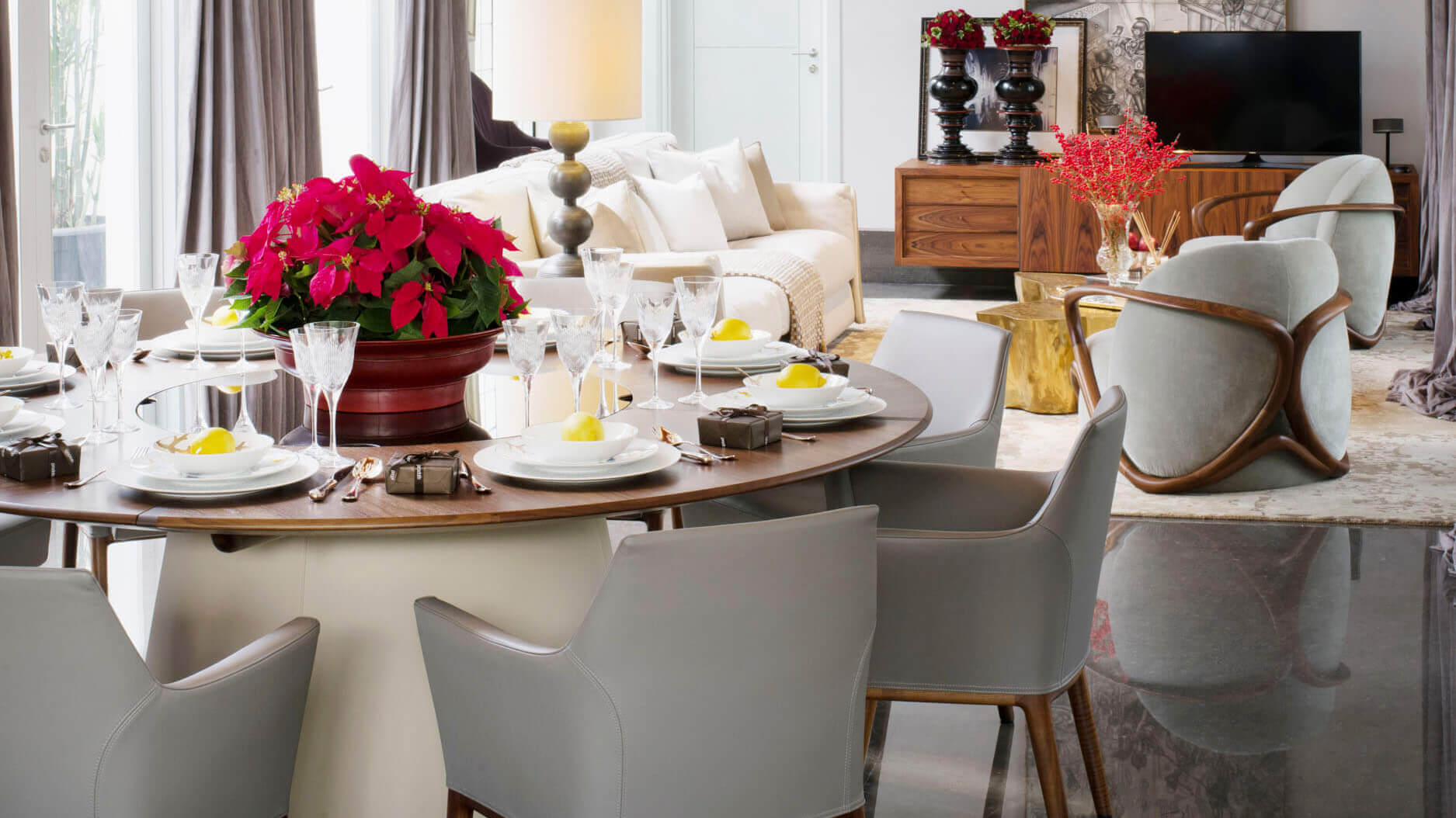
Project image by Giorgetti
In a world where trends move quickly and definitions of luxury continue to shift, Italian furniture remains grounded in values that do not change: quality, intention, and beauty.
Its timelessness is not about resisting change, but about transcending it. Each piece reflects a commitment to doing things well. Something that, regardless of era, never goes out of style.
For those who seek more than decoration, Italian design offers something deeper: a lasting way to shape the spaces we live in.
Read more articles like this one: Discover our Journal →