The Curve Revolution: Organic Shapes in Contemporary Italian Interiors
Italian design has long been celebrated for its ability to balance timeless elegance with bold innovation. In recent years, one of the most striking trends redefining interiors is the rise of organic, fluid forms. curves that flow effortlessly, inviting movement, softness, and a sense of harmony.
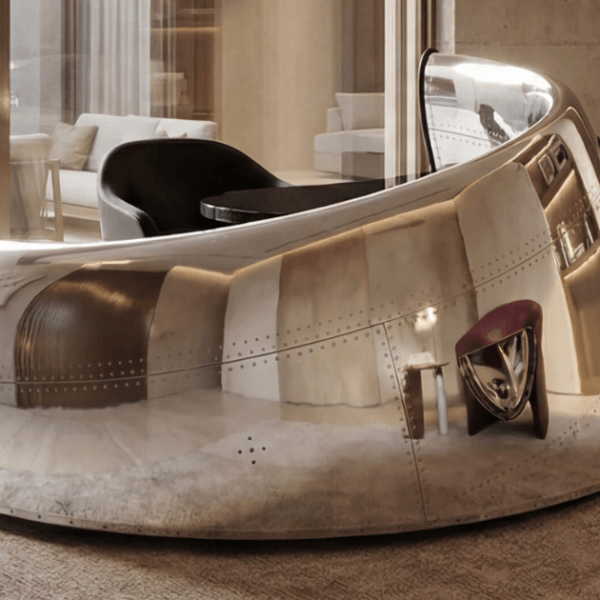
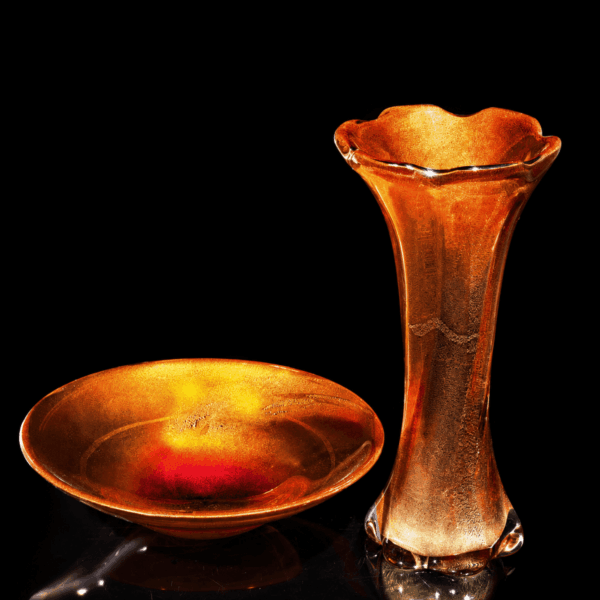
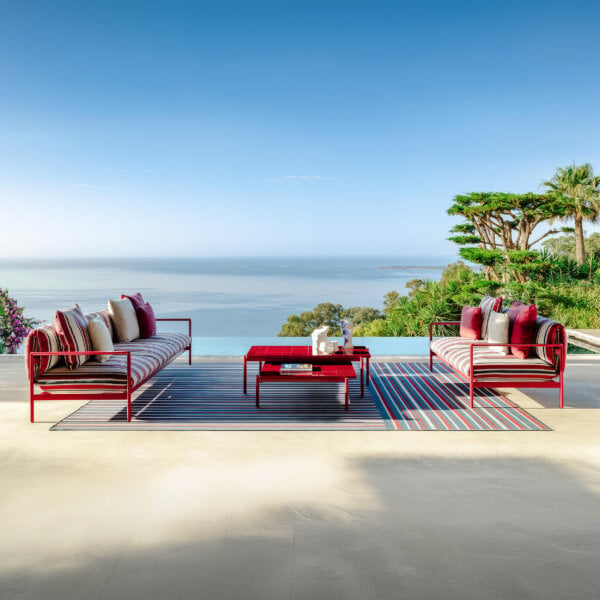
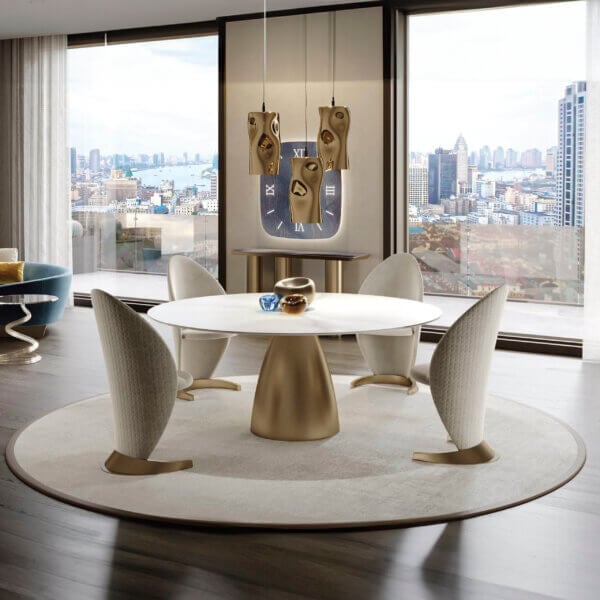 (Botero Table, Nautilus Clock, Dandolo Suspension Lamp by Reflex)
From sinuous sofas to sculptural lighting, this design direction merges comfort with artistry, proving that form can be both functional and poetic.
The Allure of Soft Geometry
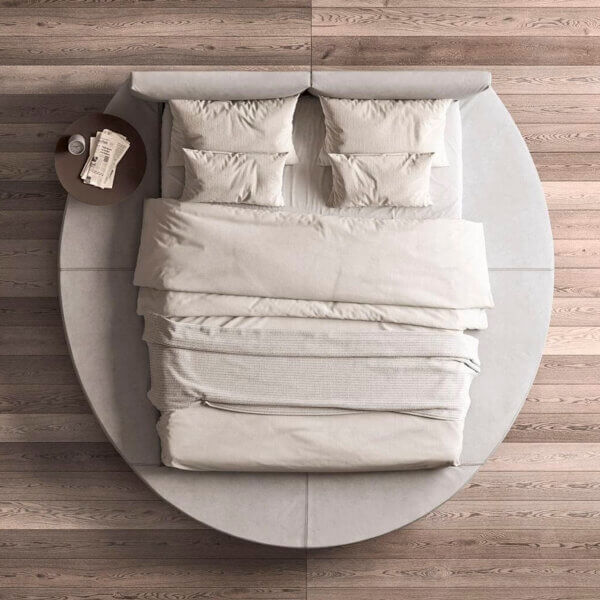 (
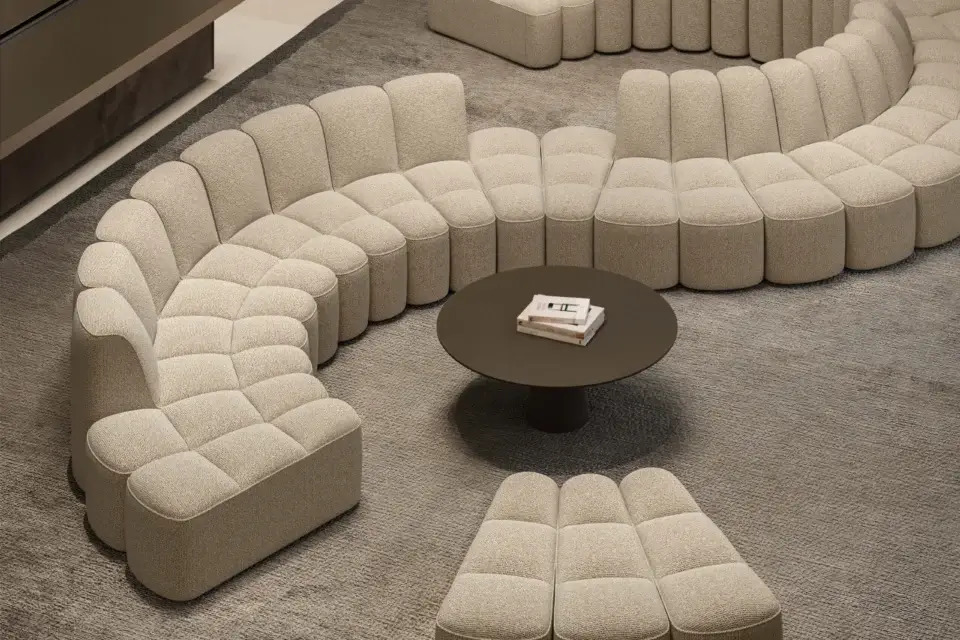
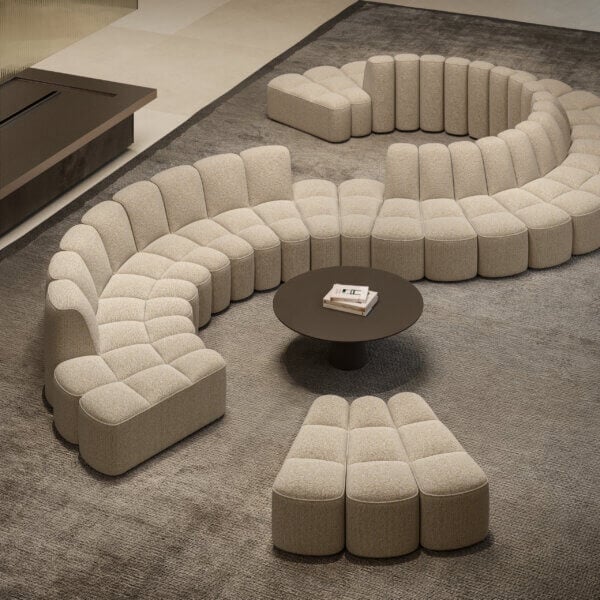
(Curves break away from the rigidity of straight lines, introducing a sense of flow that feels natural and calming. They evoke organic elements, the bend of a river, the arc of a seashell, and invite a tactile, almost instinctive connection. Italian designers master this language, crafting pieces where geometry softens into comfort.
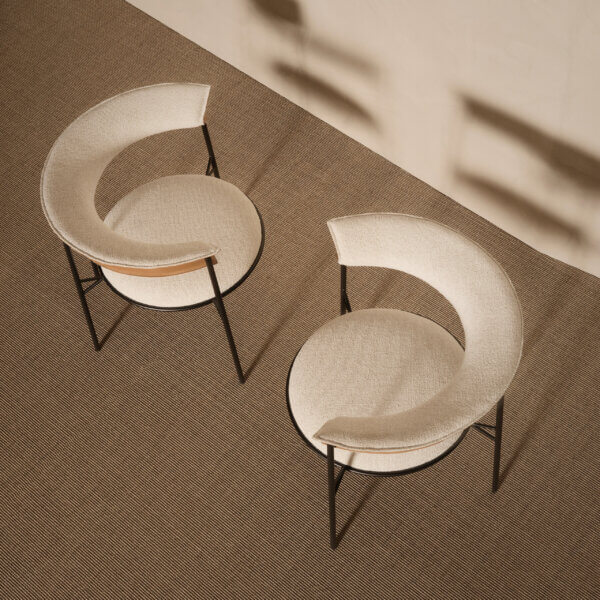 (Cantle Lounge Chair by MDF Italia)
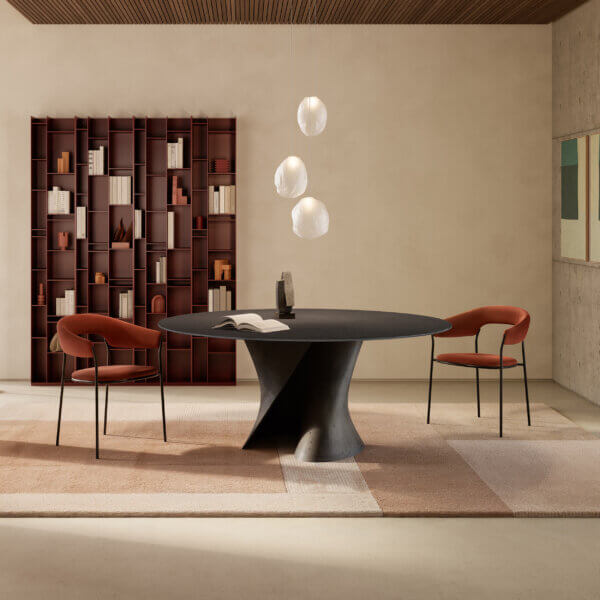
(S Table and Archie Armchair by MDF Italia)
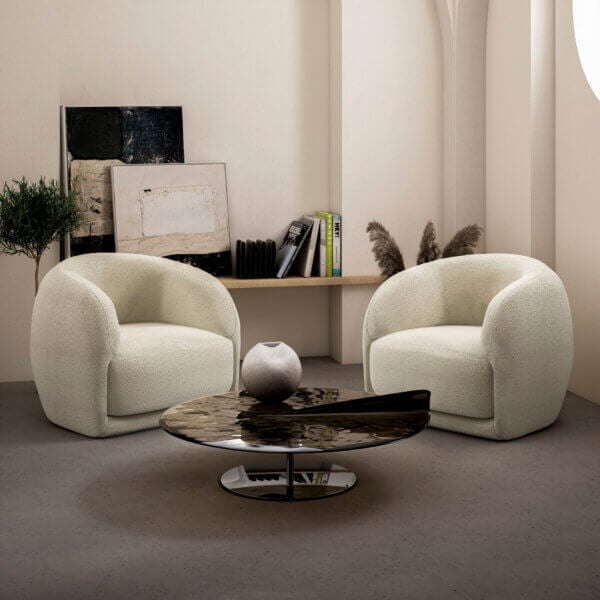
MDF Italia, for example, creates furnishings where minimalism meets gentle curvature, resulting in silhouettes that are clean yet sensuous. In interiors, these rounded lines are more than a style choice, they transform how people move through and experience a space, encouraging a slower, more relaxed rhythm of living.
Materials That Follow the Flow
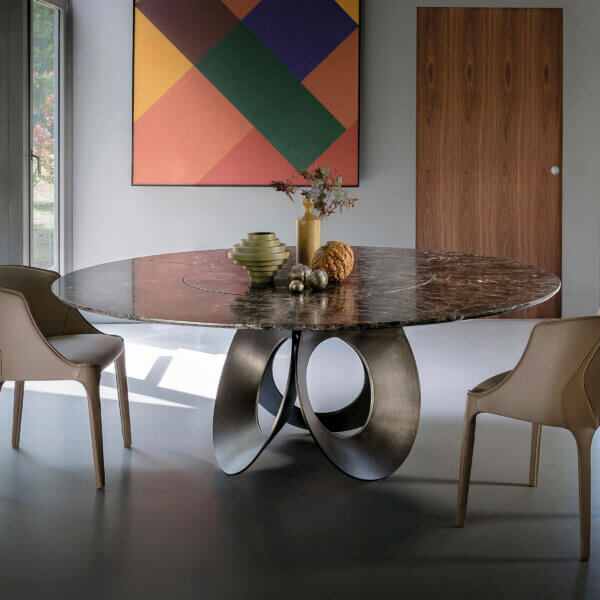 (Oracle Table by Arketipo)
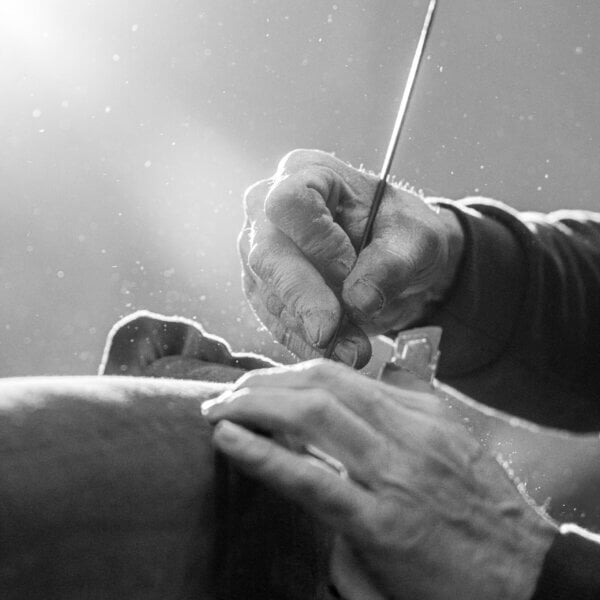
Organic shapes come to life through materials that can echo their movement. Marble, wood, glass, and metal are shaped into sweeping lines and seamless forms, often with artisanal techniques passed down through generations.
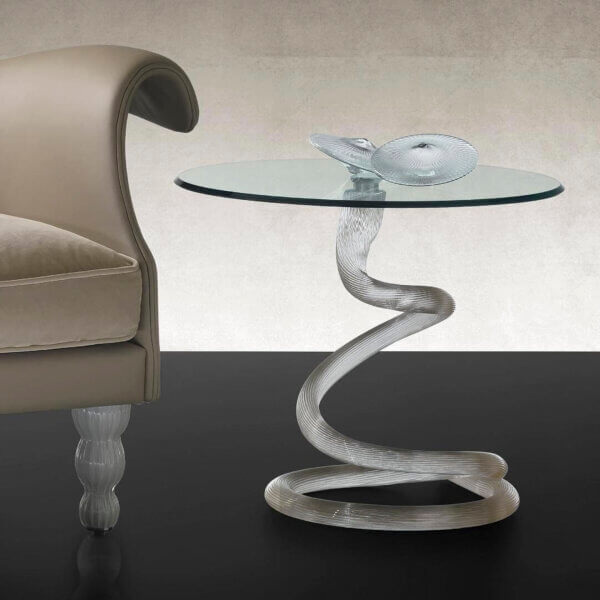 (Ghibli Side Table by Reflex)
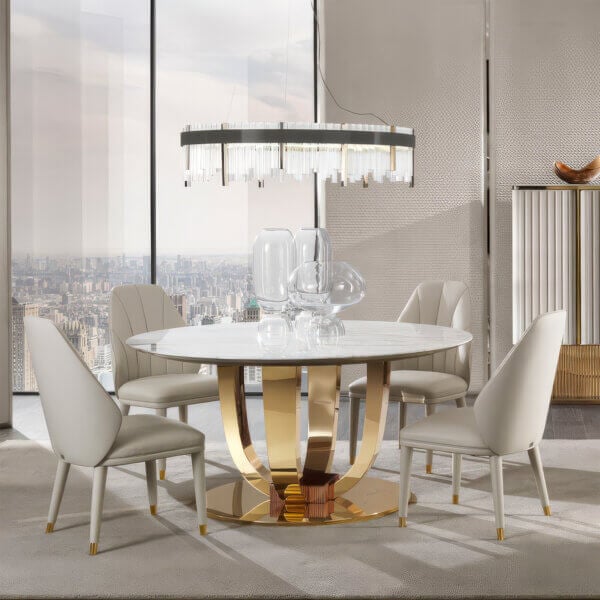
Reflex interprets curves with an almost architectural precision, crafting dining tables with bases that twist and flow like sculptural installations. Upholstered pieces, when rounded, invite an enveloping comfort, while curved glass in lighting or accessories plays with light in unexpected, dynamic ways.
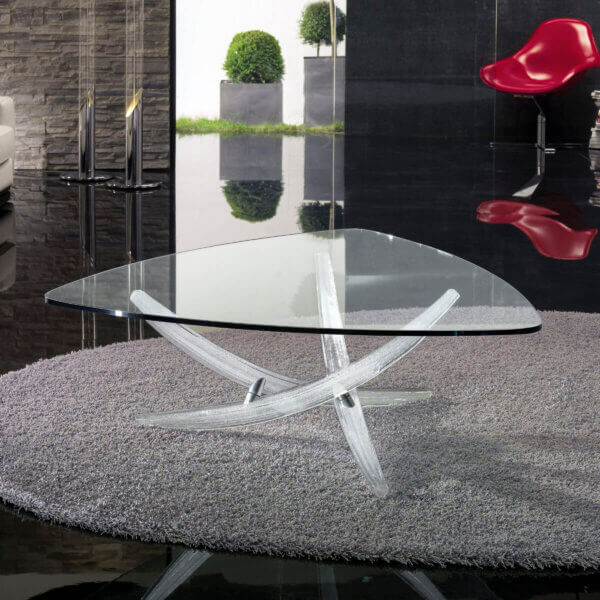 (Fili D’erba Coffee Table by Reflex)
The interplay of material and form is at the heart of this movement, each curve designed to enhance both beauty and function.
Lighting as Fluid Sculpture
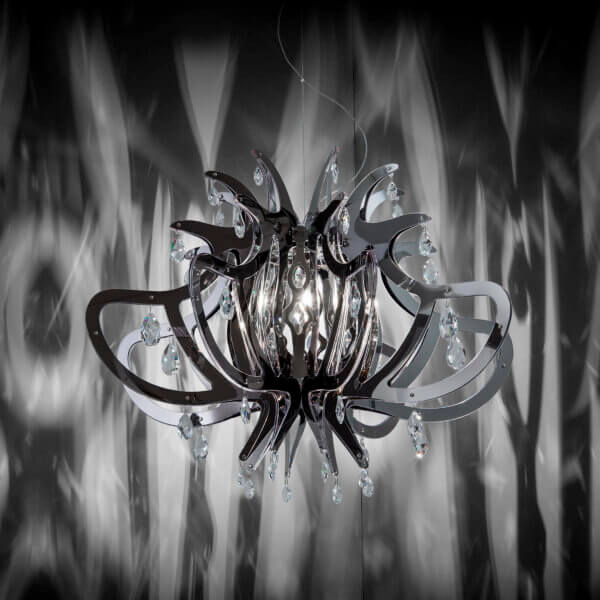 (Medusa Suspension Lamp by Slamp)
Curves in lighting design are more than decorative, they shape the way light interacts with a space. Italian brands excel at transforming illumination into a sculptural experience, using fluid lines to create both drama and intimacy.
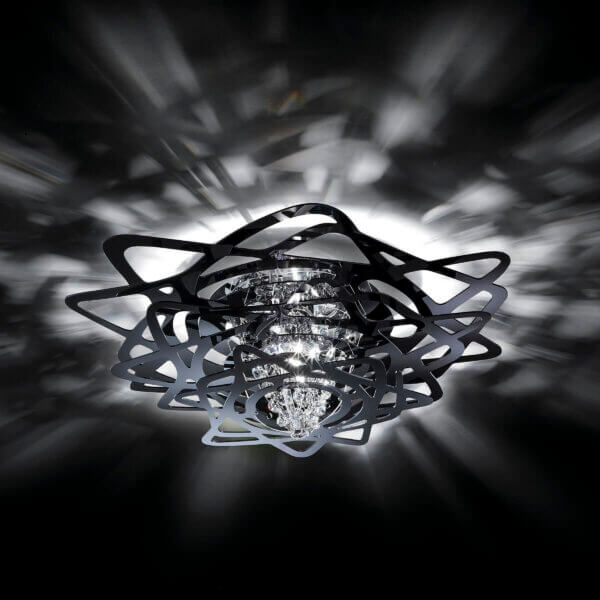 (Aurora Mini Ceiling Lamp by Slamp)
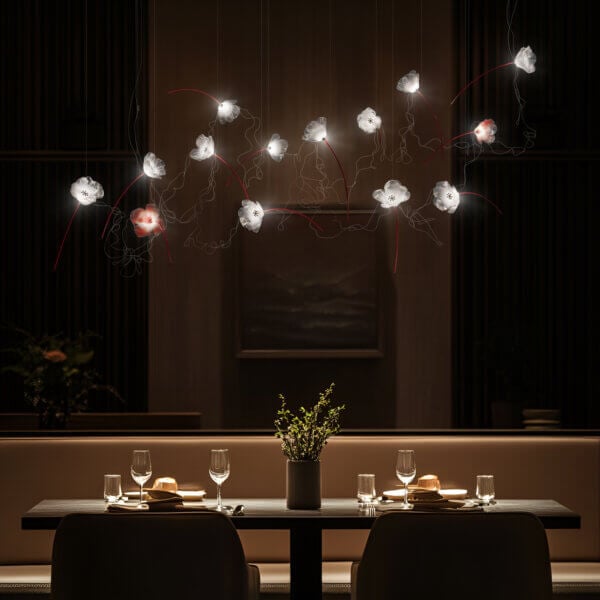
Slamp, for example, produces fixtures where each curve captures and bends light like a living form, casting patterns that ripple across walls and ceilings. Whether suspended in grand compositions or presented as understated wall lights, these organic designs turn lighting into an architectural feature, not just a functional element.
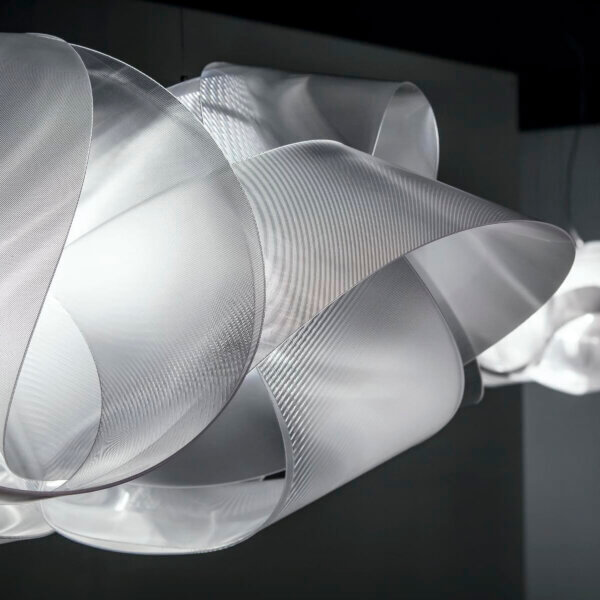 (Fabula Suspension Lamp by Slamp)
The result is a room that glows with movement, depth, and atmosphere.
Timeless Appeal, Curves That Endure
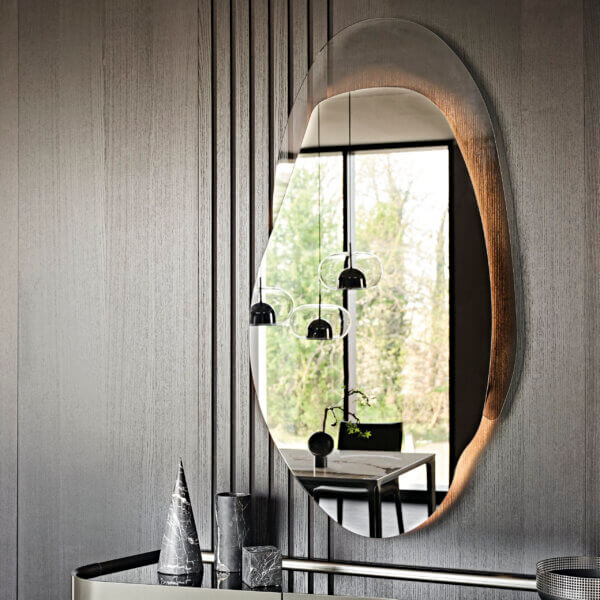 (Akumal Mirror by Cattelan Italia)
While design trends may shift with the years, curves possess a timeless quality that allows them to remain relevant across generations. Their adaptability is key, they can seamlessly blend into both classical interiors and ultra-modern spaces without losing their impact.
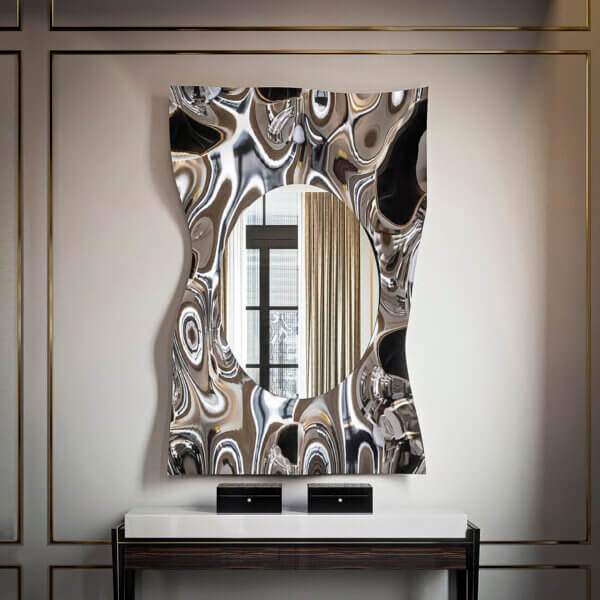 (Impact Supersilver Mirror by Reflex)
From marble-topped dining tables that recall Italian tradition to contemporary sculptural lighting that pushes boundaries, curved forms have the unique ability to connect the past and the future. In doing so, they give interiors a sense of continuity, making them feel not just current, but enduring. It is this ability to transcend fashion that secures curves a lasting place in the vocabulary of Italian design.