🏺 Luxury Home Décor: The Finishing Touch
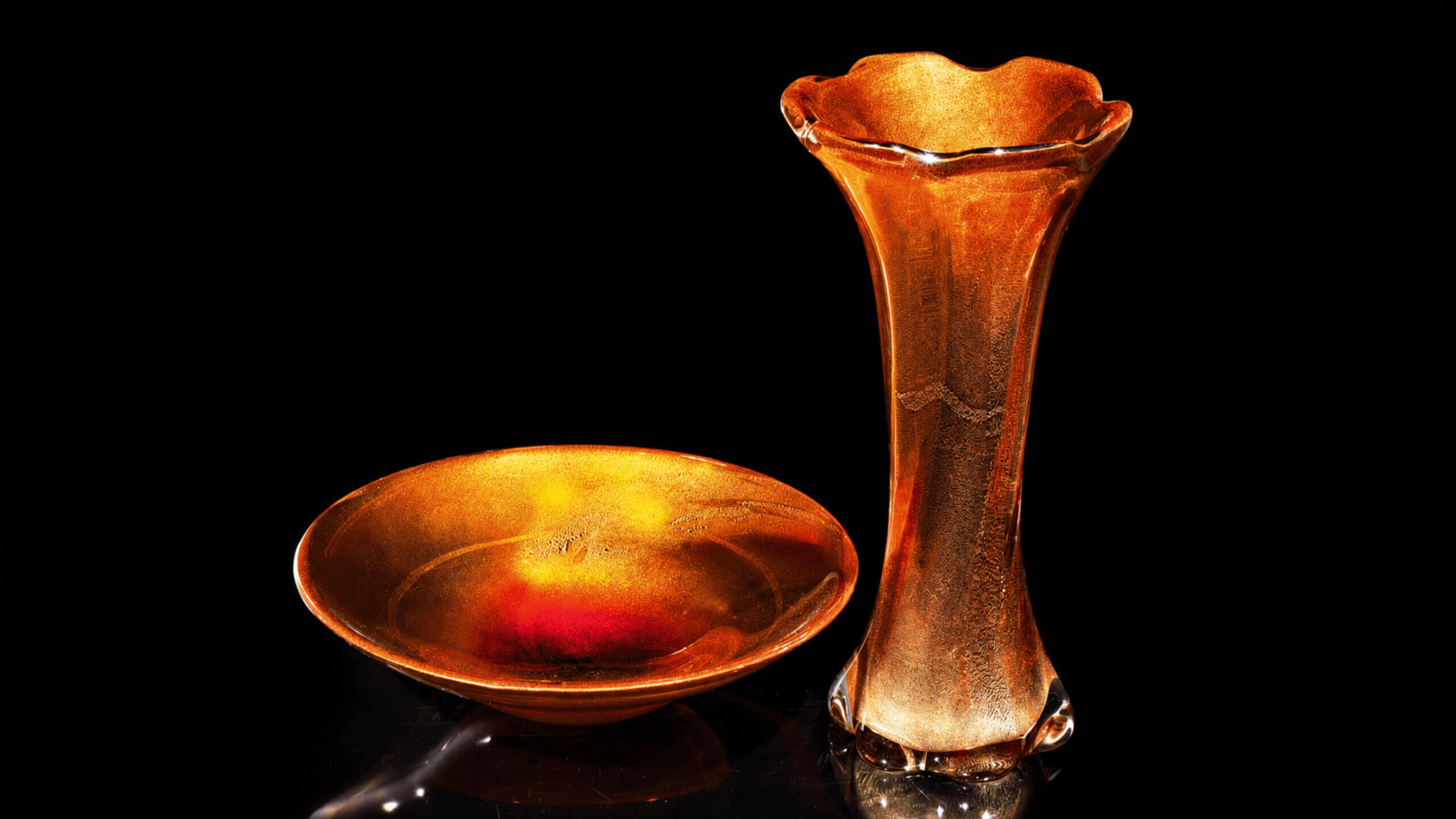
Fiore Centerpiece & Vase Set by Duccio Di Segna
Furniture defines the structure of a room, but décor gives it character. It is through carefully selected accessories, handcrafted objects, and artistic details that an interior begins to tell a story. Decorative pieces introduce personality, texture, and emotion, transforming beautifully designed spaces into environments that feel truly lived in.
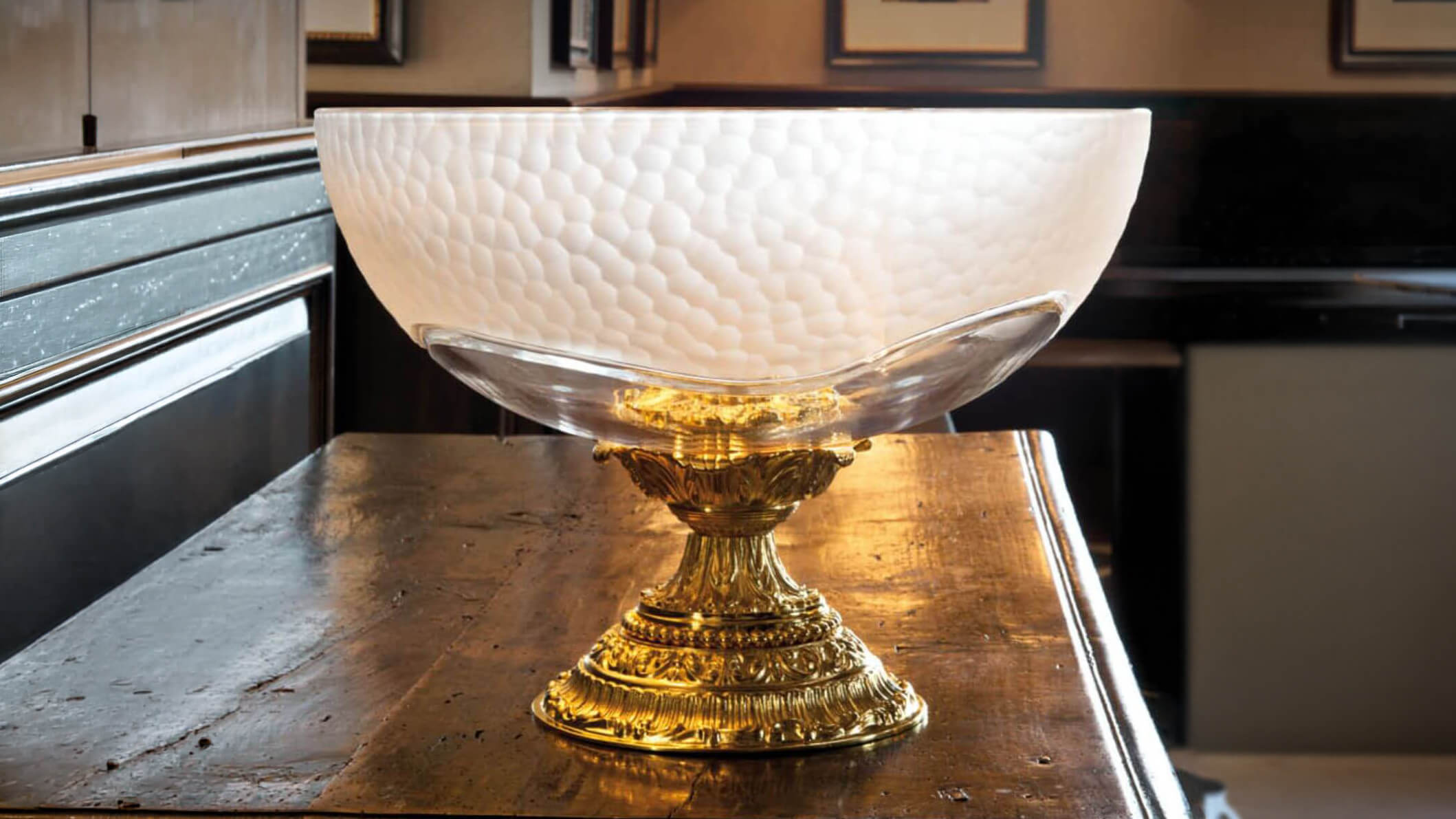
Cosmo Giant Centerpiece with Foot by Duccio Di Segna
In luxury interiors, décor is never an afterthought. Every sculpture, ceramic vessel, handcrafted bowl, or glass centerpiece contributes to the overall composition, creating visual rhythm while reflecting the individuality of the people who inhabit the space.
The most memorable interiors are rarely those with the most furniture, they are the ones where every finishing touch feels intentional.
Beyond Accessories: Décor as Functional Art
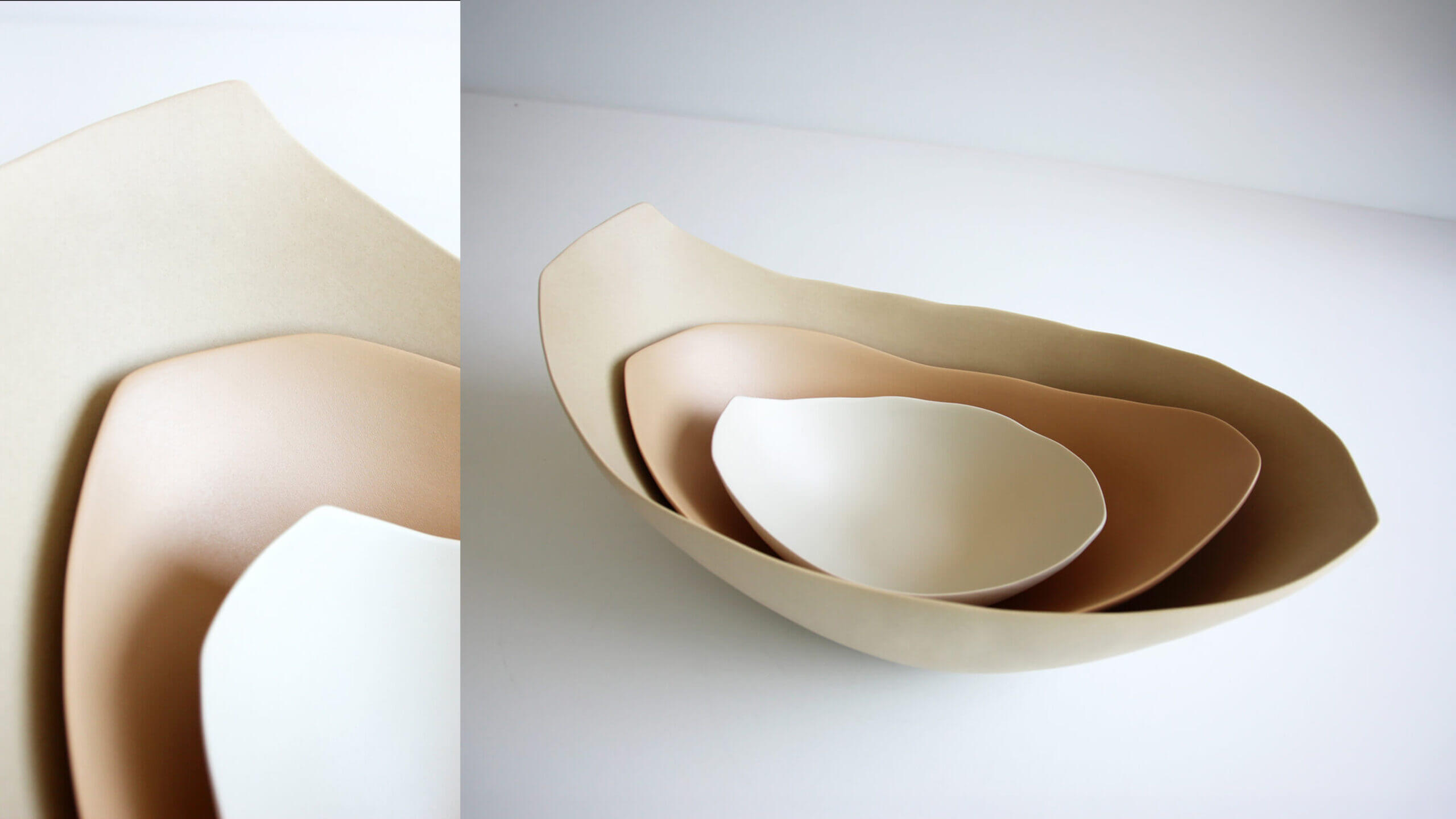
Barchette Centierpiece by Rina Menardi
Decorative objects have evolved far beyond their purely ornamental role. Today, they often blur the line between design and art, becoming sculptural elements that command attention while maintaining a sense of purpose.
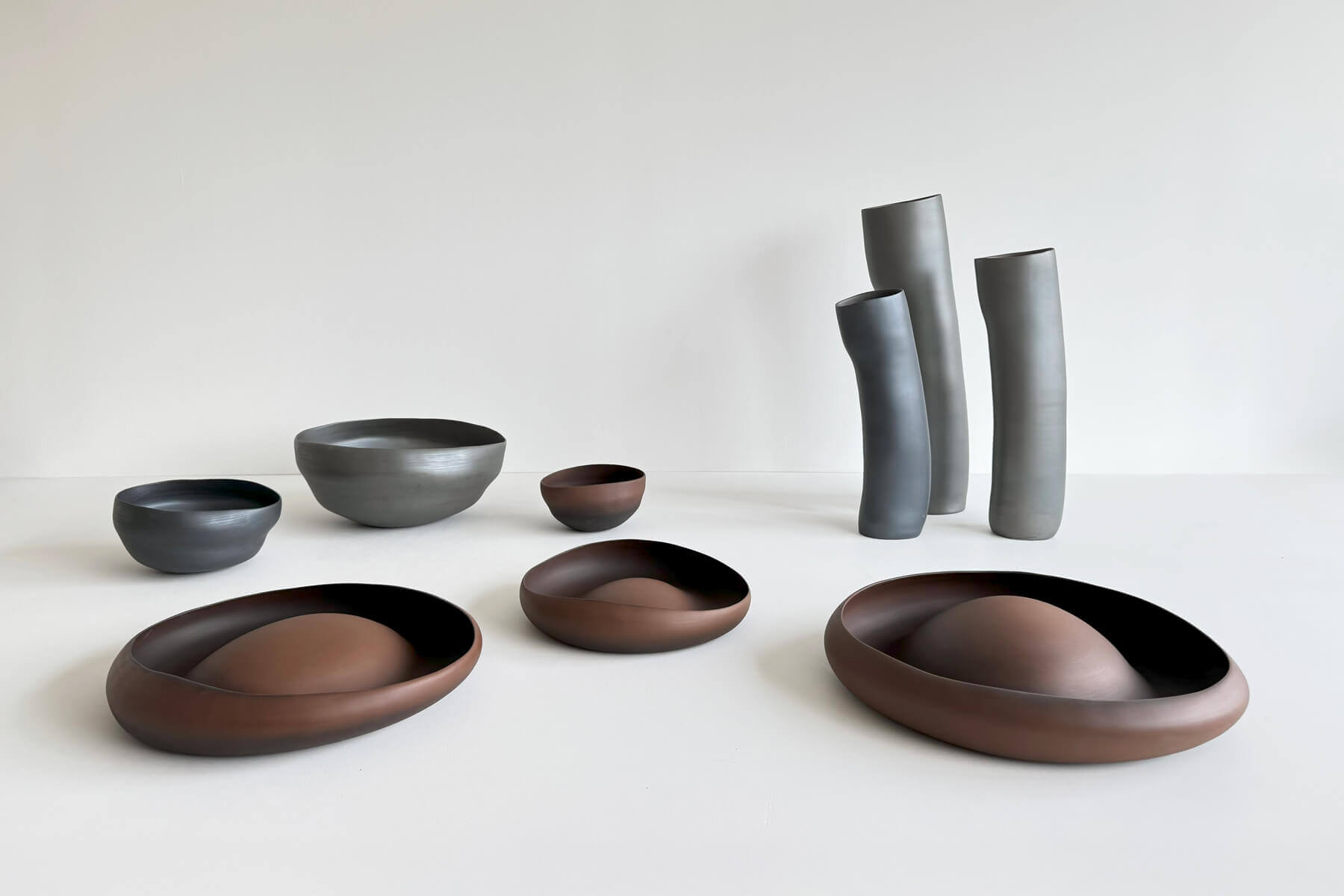
Wind Vases & Elissi Centerpiece by Rina Menardi
A handcrafted vase may remain empty yet become the focal point of a room. A ceramic sculpture can introduce movement through its form, while a decorative bowl quietly enriches a coffee table composition. Rather than filling empty spaces, these objects create moments of visual pause that allow an interior to breathe.
The beauty of exceptional décor lies in its ability to elevate a room without demanding attention.
The Beauty of Handmade Craftsmanship
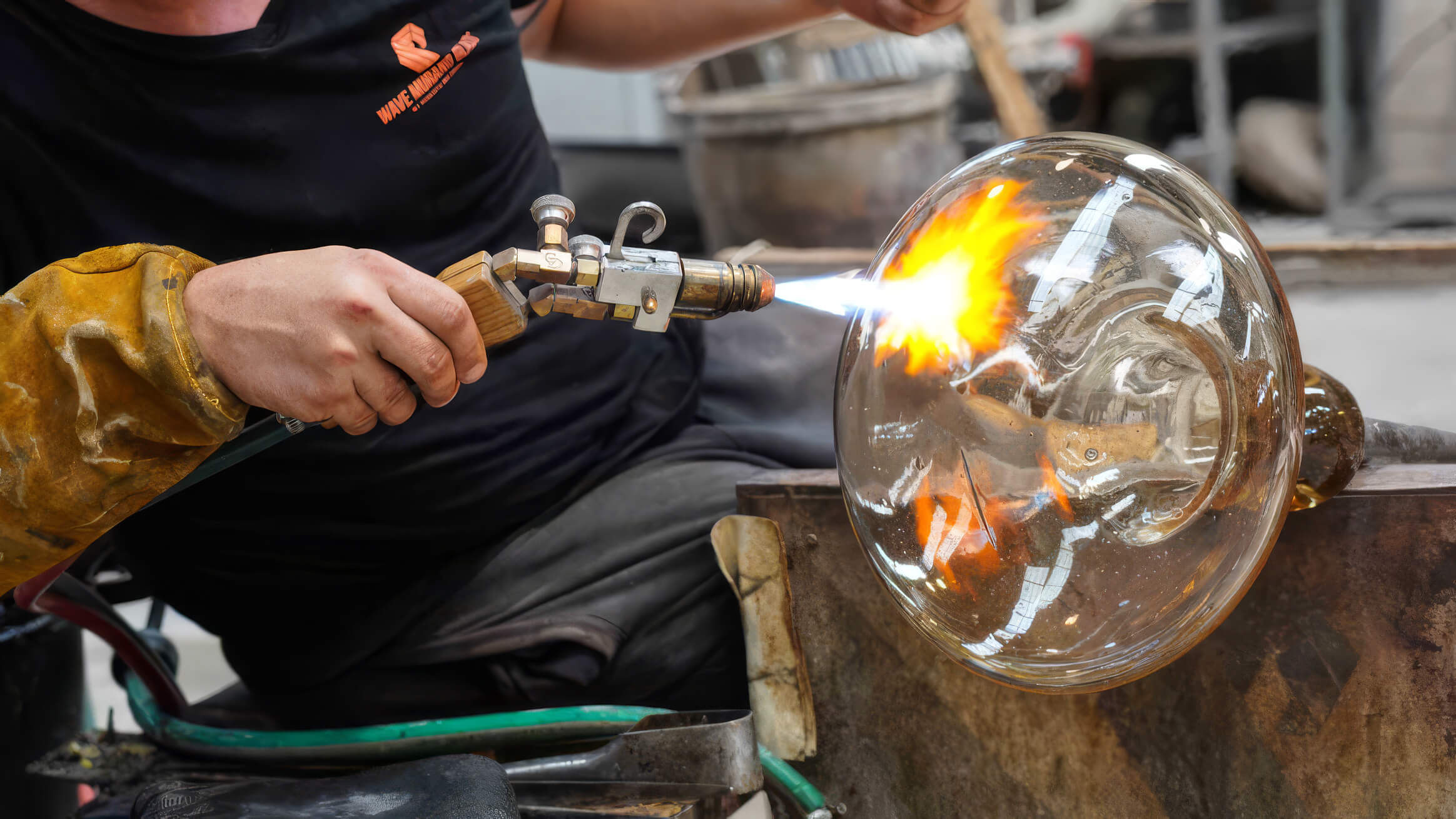
Wave Murano Glass Factory
In an age of mass production, handcrafted décor offers something increasingly valuable: individuality. No two handmade ceramic pieces are exactly alike. Variations in texture, glazing, color, and form become part of the object’s identity rather than imperfections.
This appreciation for craftsmanship has long been part of Italian decorative arts, where artisans continue to preserve techniques developed over generations while embracing contemporary design languages.
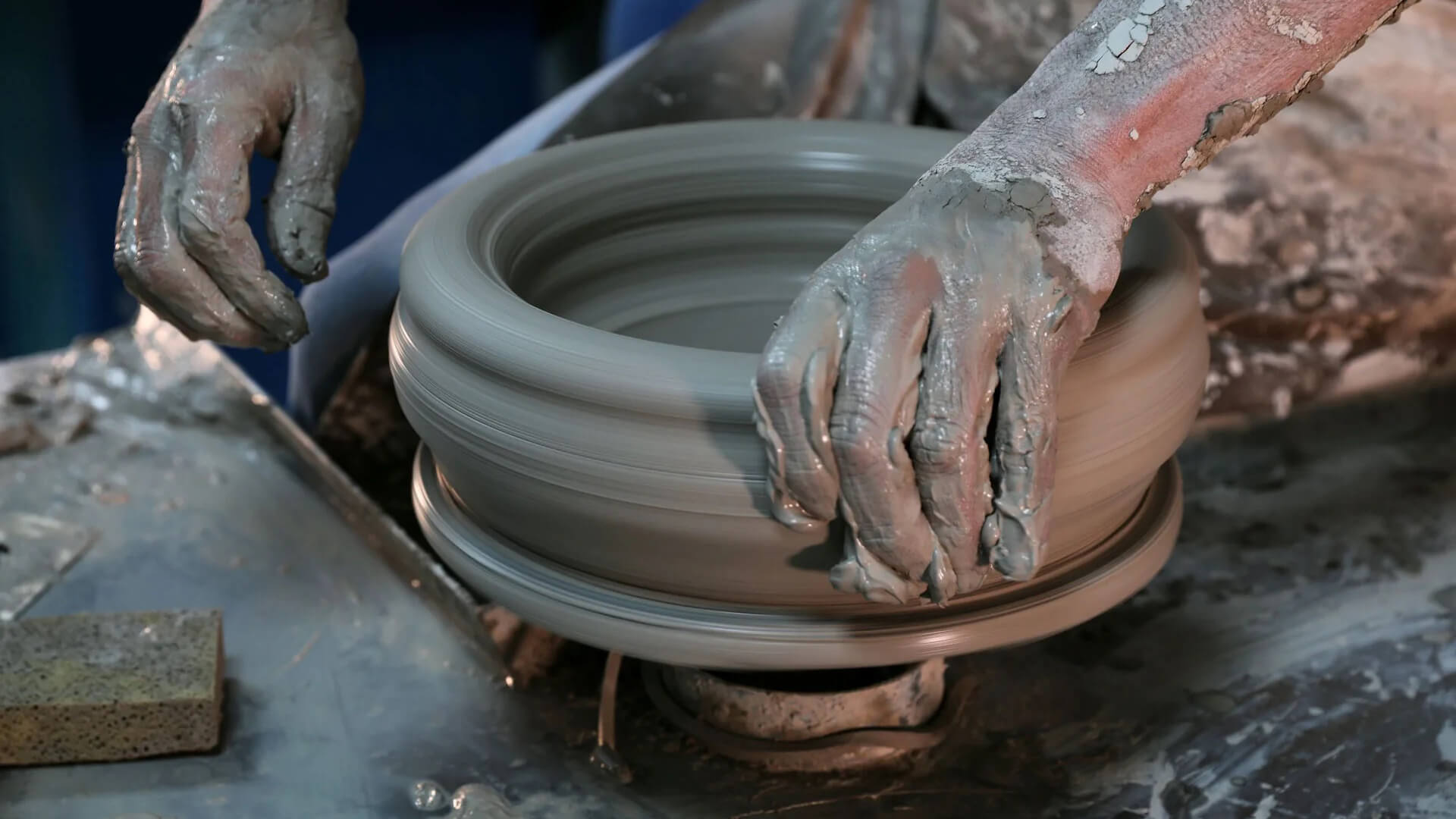
Rina Menardi Production
Among the collections available at Cassoni, brands such as Rina Menardi and FOS Ceramiche exemplify this philosophy, creating ceramic objects that feel equally at home in modern, transitional, and contemporary interiors.
Each piece carries the subtle marks of the hands that created it, making every object uniquely expressive.
Glass That Captures Light
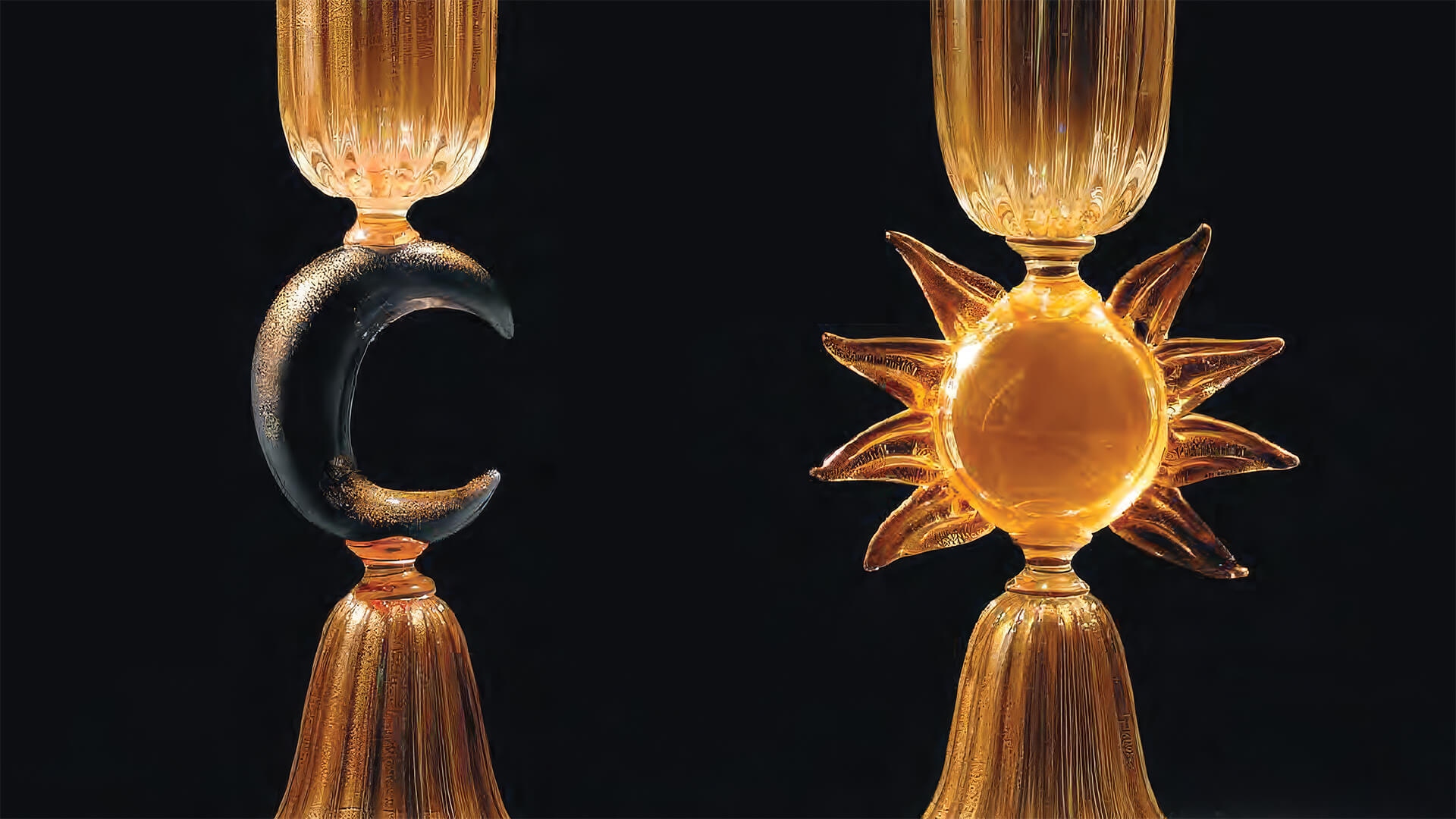
Sole & Luna Giant Murano Vase by Wave Murano Glass
Few decorative materials transform a space quite like glass. Transparent, reflective, and constantly changing with natural light, glass introduces movement without visual weight.
Murano glass, in particular, has become synonymous with Italian artistic excellence. Its vibrant colors, delicate craftsmanship, and sculptural forms allow decorative pieces to function almost like works of art, enriching interiors with light, transparency, and elegance.
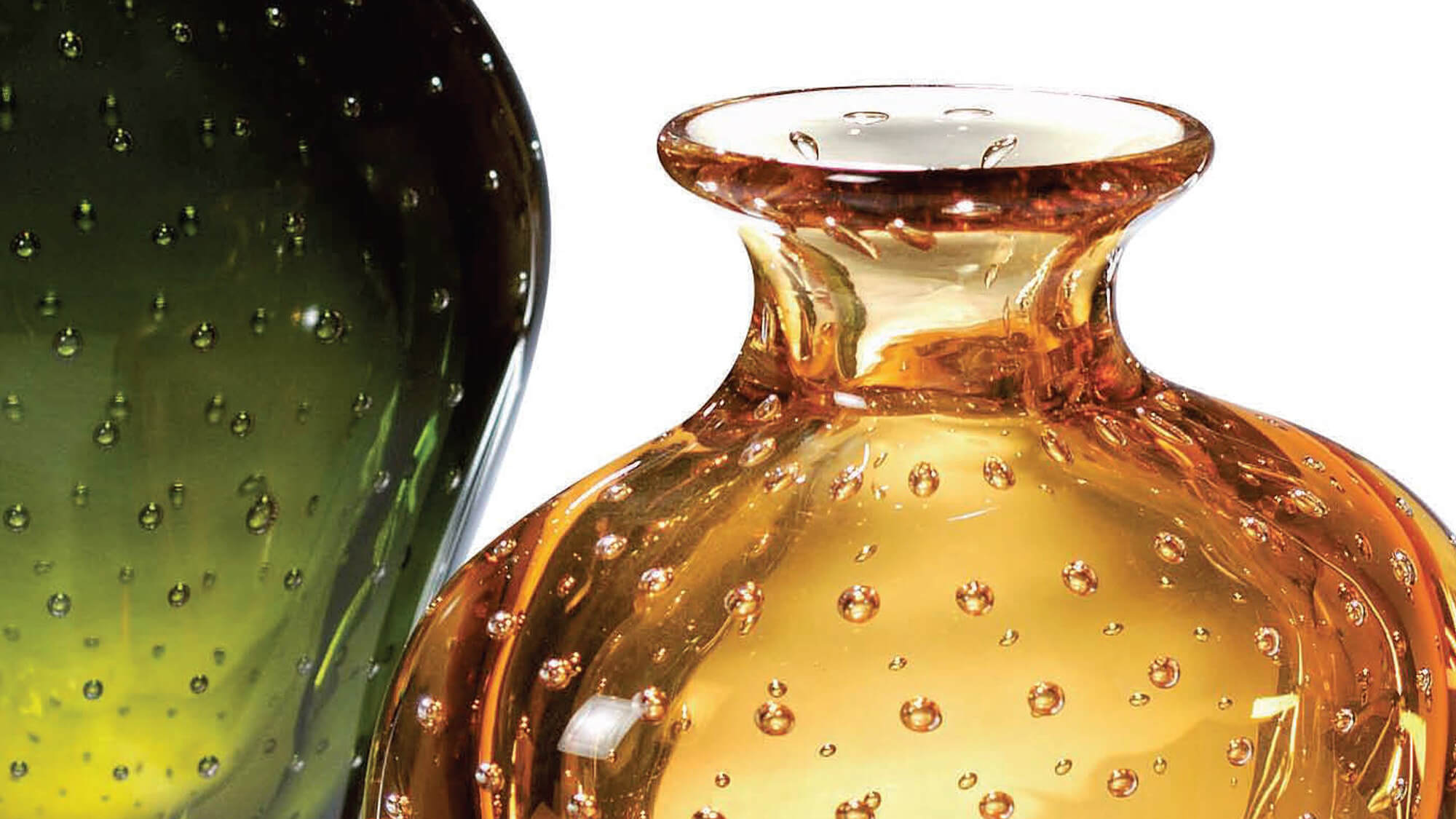
Brenda Murano Vase by Wave Murano Glass
Collections by Wave Murano Glass celebrate this heritage through handcrafted creations that combine centuries-old Venetian glassmaking traditions with contemporary aesthetics.
Whether displayed individually or grouped as a composition, glass objects create subtle moments of brilliance throughout an interior.
Decorating with Personality
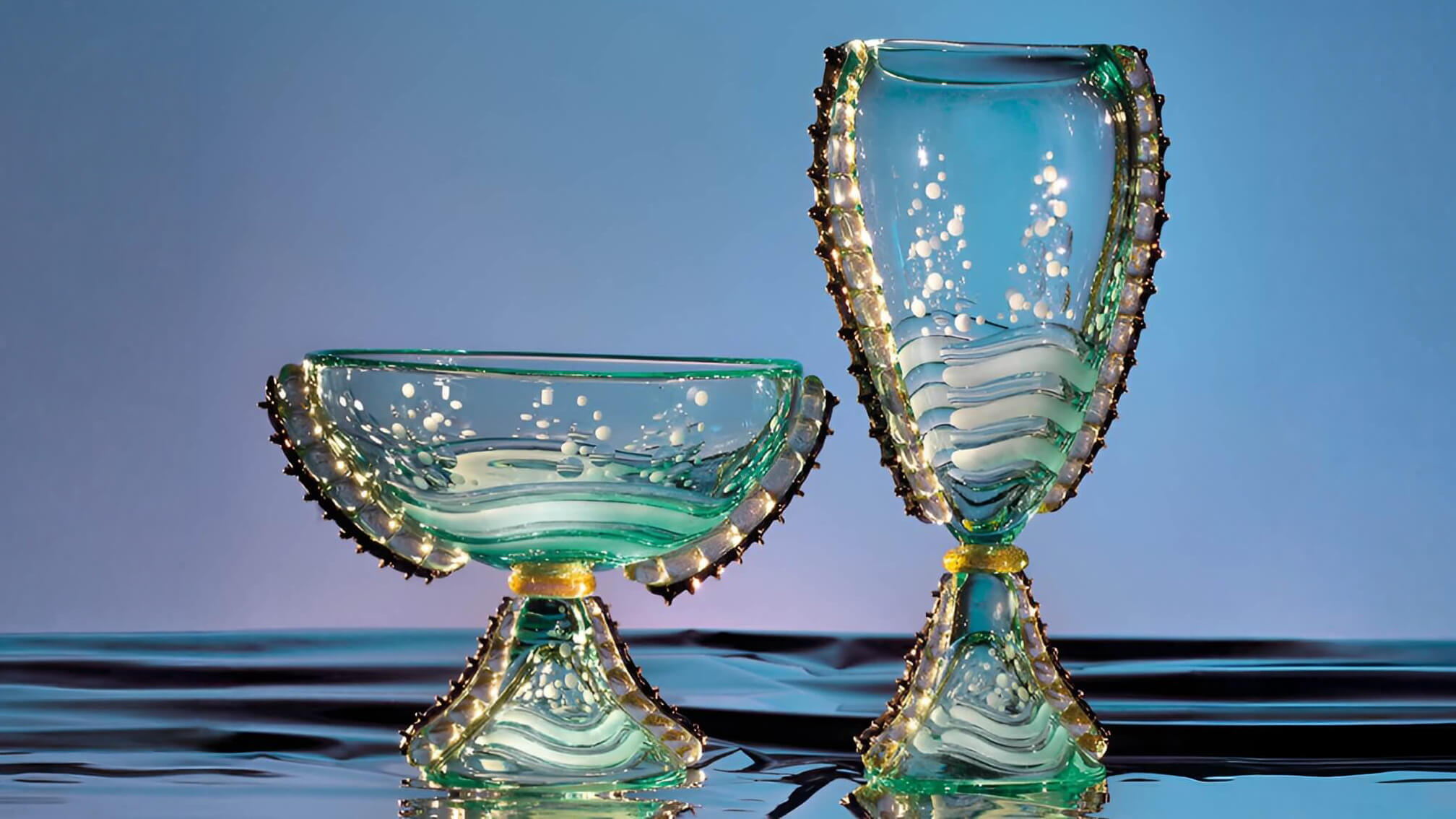
Acqua Centerpiece by Duccio Di Segna
Luxury interiors feel personal because they avoid uniformity. Decorative objects allow homeowners and designers to introduce individuality without altering the architecture or primary furnishings.
A handcrafted sculpture may reflect an appreciation for contemporary art. A collection of ceramic vessels introduces texture and rhythm. A decorative mirror or artistic centerpiece becomes a conversation piece that reveals something about the people who selected it.
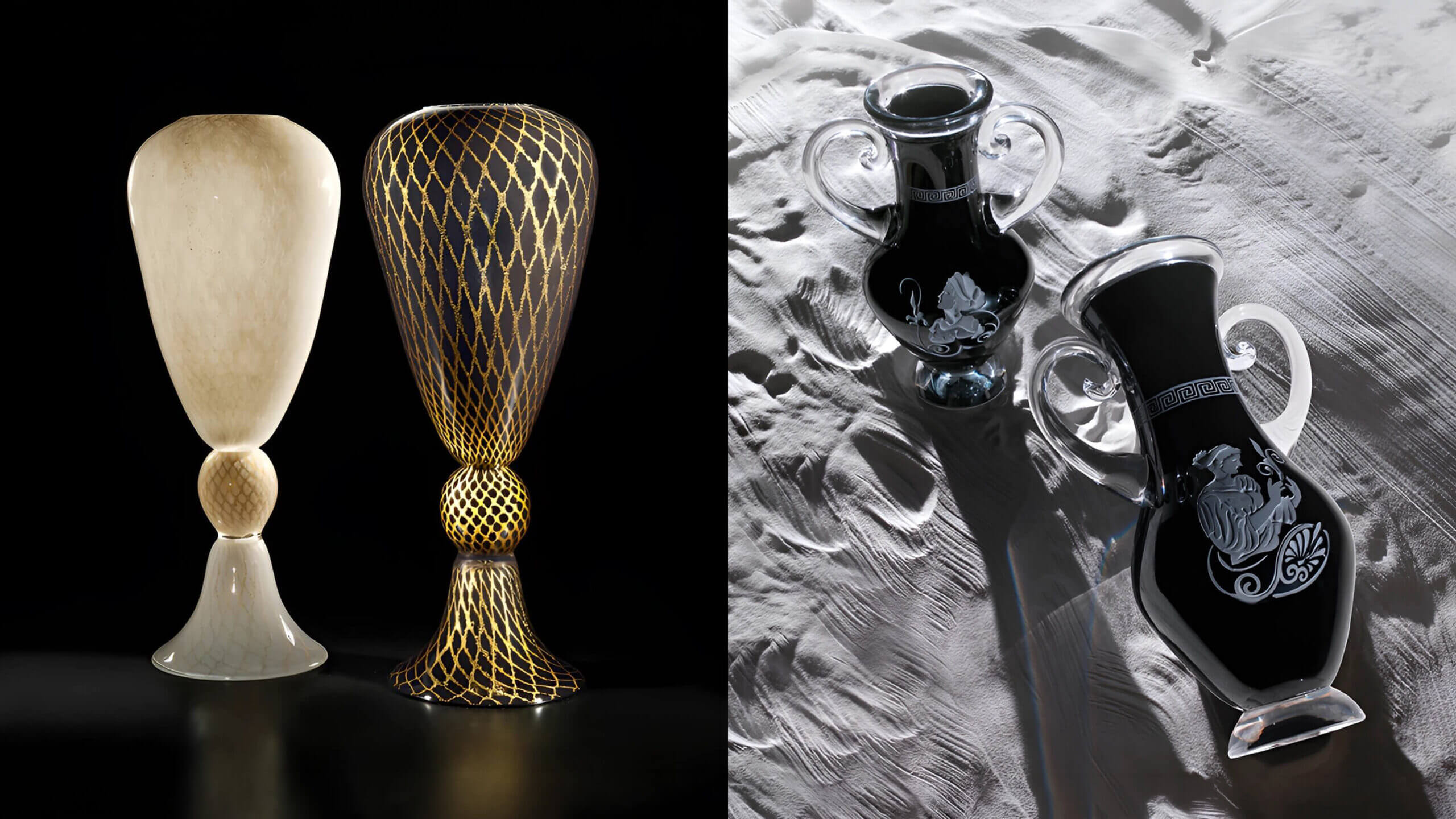
Arlecchino Vase & Anfitrite Amphora by Duccio Di Segna
Brands like Duccio Di Segna offer collections that embrace this philosophy, where decorative accessories become expressive design elements rather than simple embellishments.
These carefully curated details are often what distinguish a beautifully furnished house from a truly memorable home.
Creating Balance Through Composition
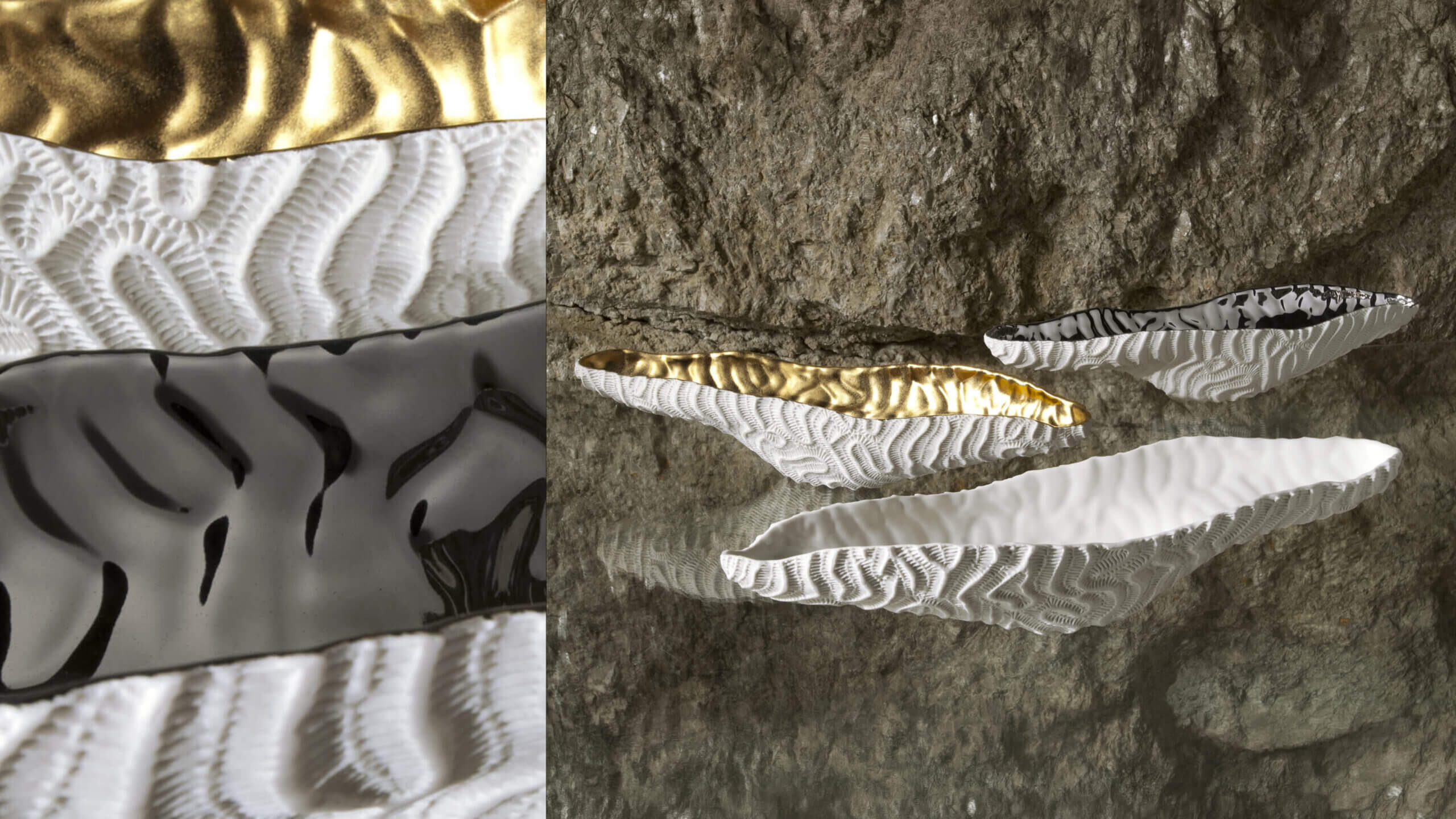
Coral Reef Centerpiece by FOS Ceramiche
Exceptional decorating is less about the number of objects than about their relationship with one another.
Height, scale, texture, color, and negative space all contribute to creating harmonious compositions. A large sculptural vase may be balanced by smaller ceramic objects. Glass introduces lightness where stone provides weight. Organic forms soften architectural lines.
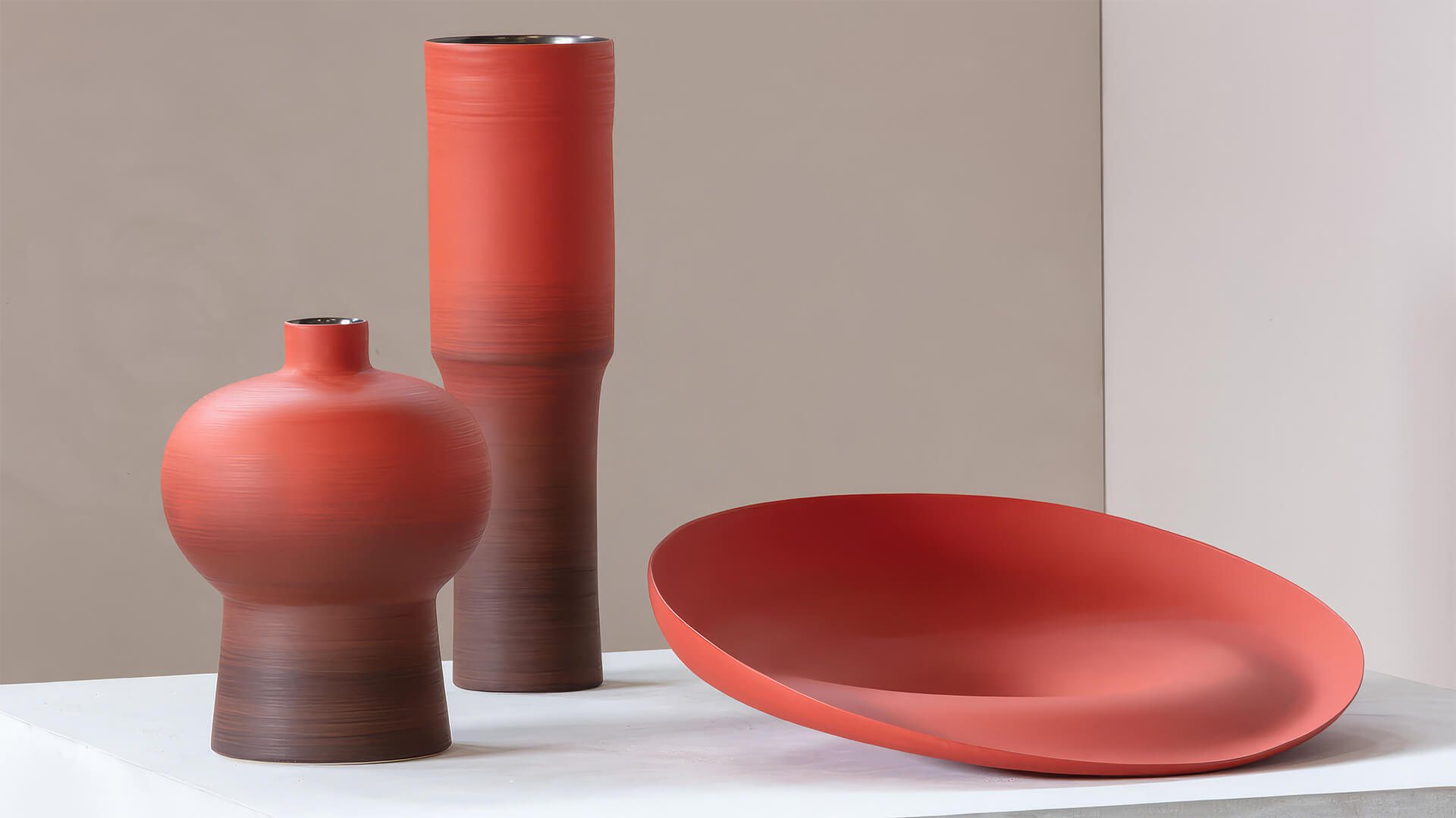
Royal Vases by Rina Menardi
The most successful interiors rely on these subtle relationships, allowing decorative objects to complement the surrounding furniture rather than compete with it.
This thoughtful approach creates interiors that feel layered, sophisticated, and naturally complete.
The Details That Complete an Interior
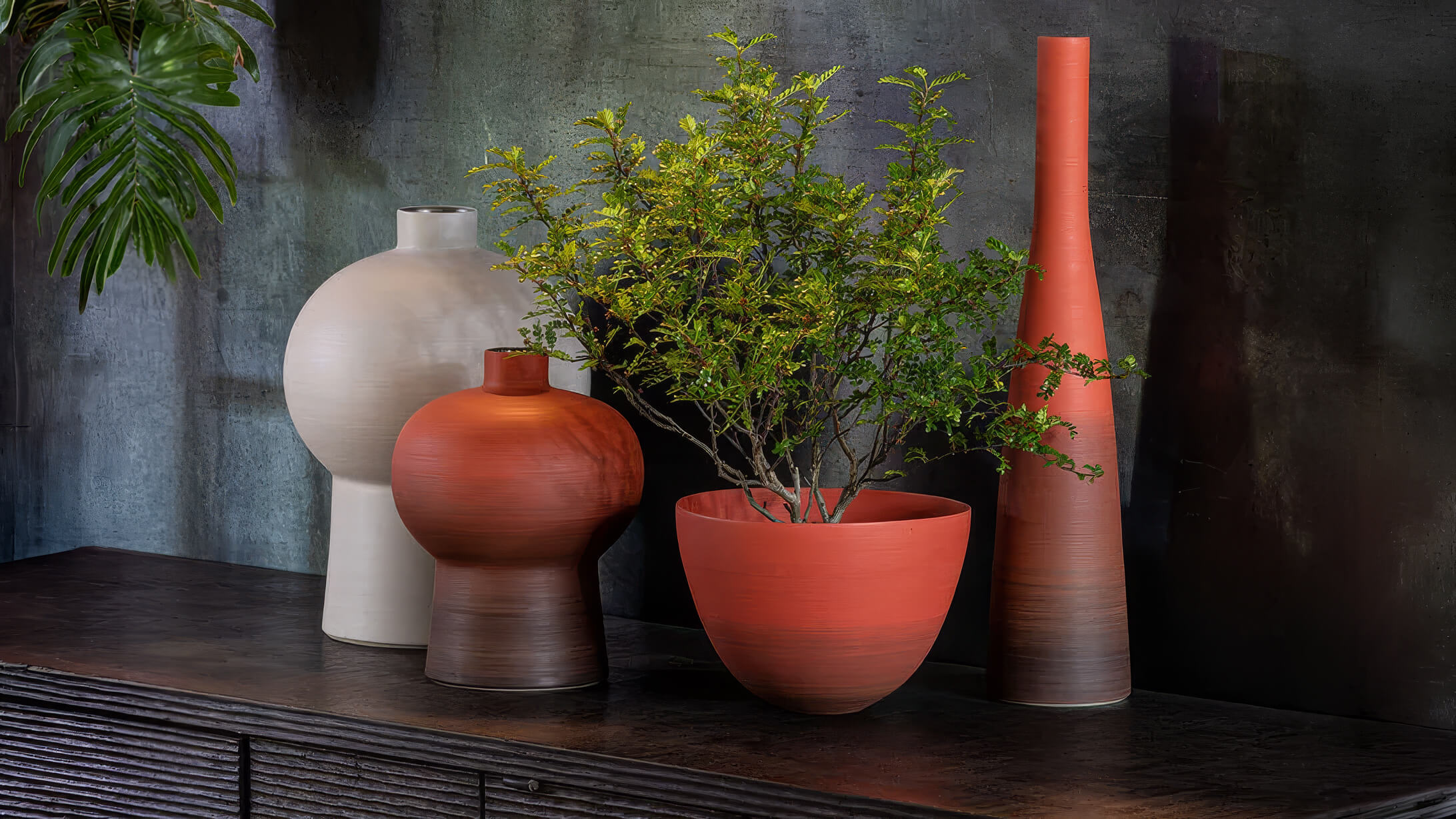
Royal Vases by Rina Menardi
Great interior design is often remembered for its details. While architecture establishes the framework and furniture defines function, décor introduces the final layer of refinement.
It is through handcrafted ceramics, sculptural glass, artistic accessories, and carefully curated objects that spaces acquire warmth, personality, and permanence.
These finishing touches are rarely the largest elements within a room, yet they often leave the strongest impression, quietly transforming beautiful interiors into spaces that feel complete.
Discover our entire Decor Collection: Here →
Read more articles like this one: Discover our Journal →