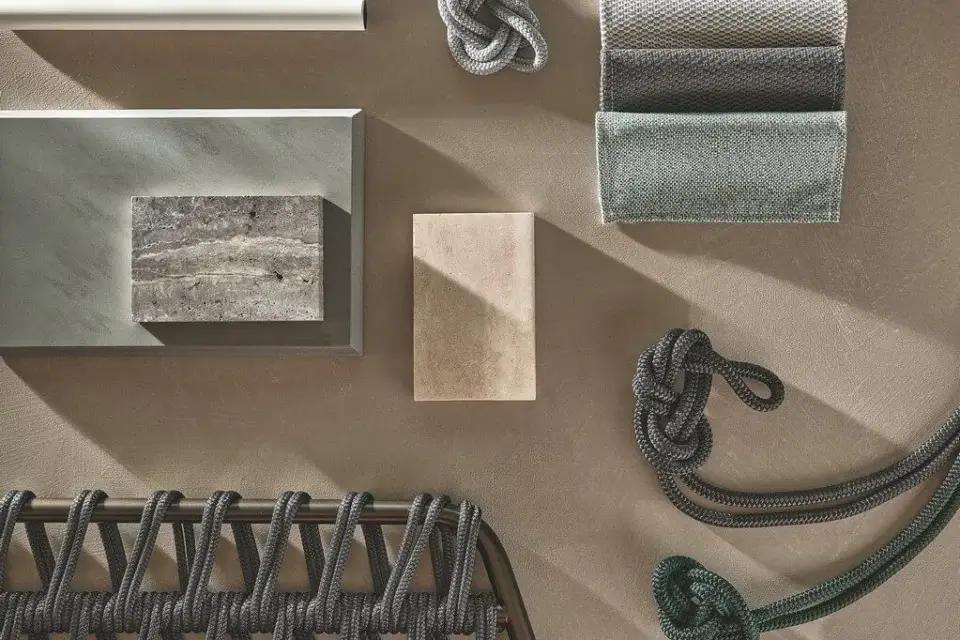
The Italian Secret to Warm, Minimal Interiors
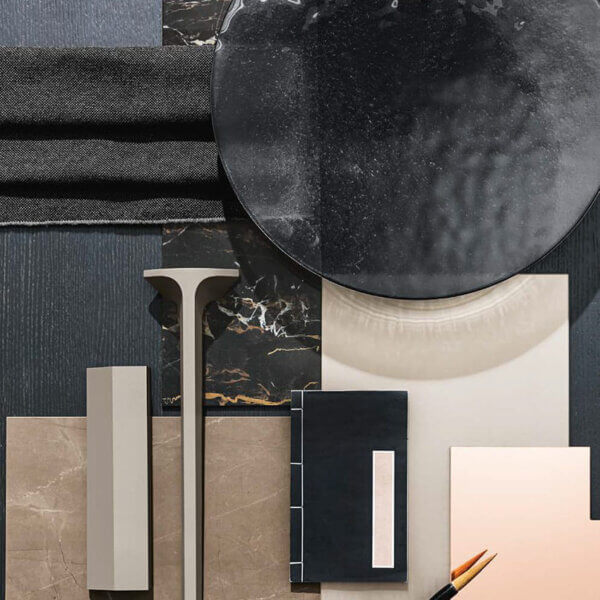
Moodboard by Sovet Italia
Italian interiors are often admired for their effortless balance of luxury and simplicity. But what makes them feel so warm, so livable, so timeless?
One word: texture.
In a world where minimalism is often confused with coldness or sterility, Italian design proves that you don’t need more — you just need better layers. Rich materials, tactile finishes, and subtle contrasts are used to bring depth and dimension to even the simplest spaces.
Here’s how Italian designers master the art of minimalism without losing soul — and how texture plays a starring role.
1. Contrast Is Where the Magic Happens
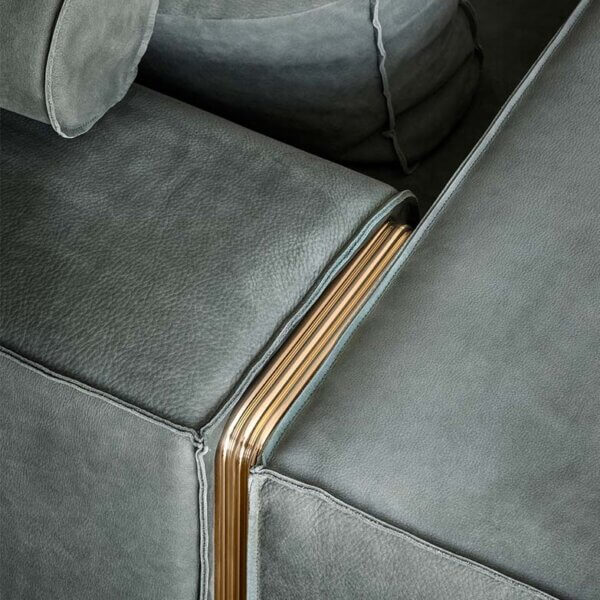
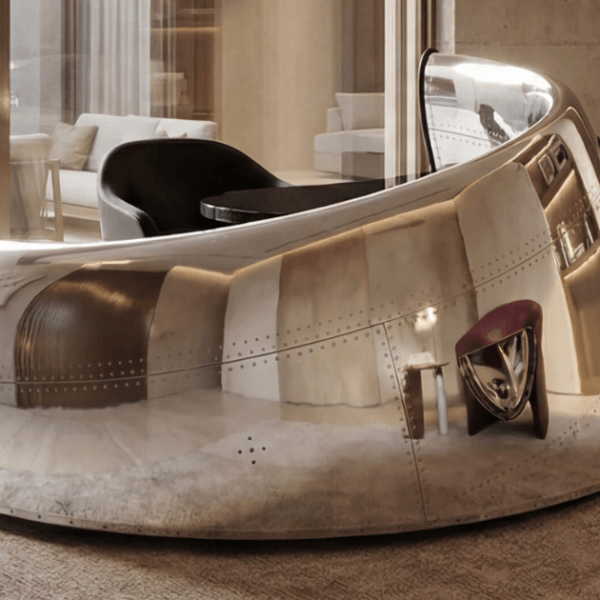
Italian interiors rarely rely on flat or uniform surfaces. Instead, they are built on material contrast — not loud or jarring, but balanced and intentional.
You’ll often find:
-
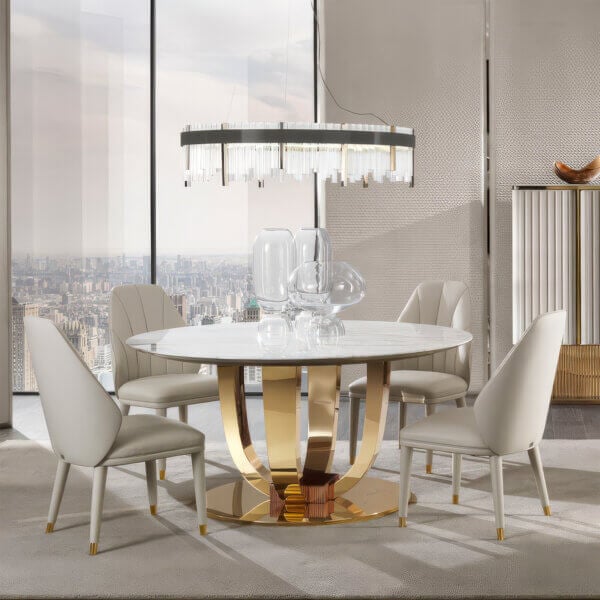
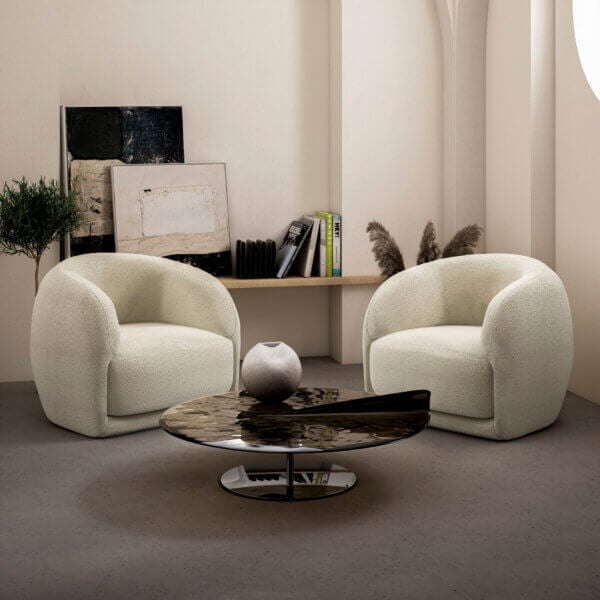
Sleek marble surfaces next to soft boucle seating
-
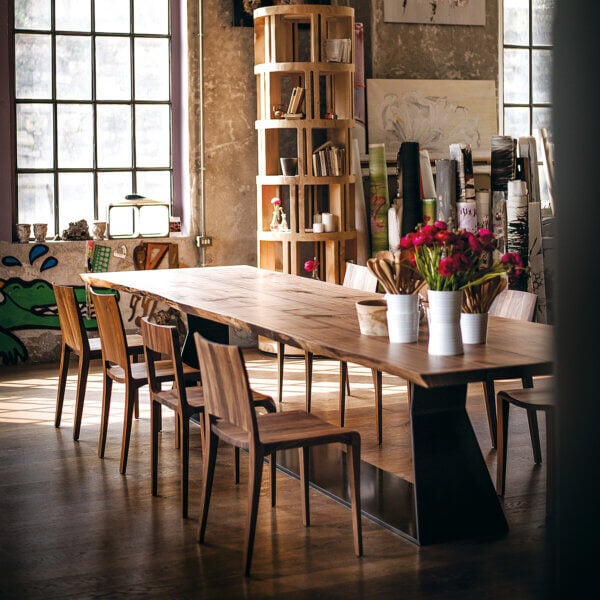
Rough-hewn wood paired with ultra-matte lacquer
-
Suede or velvet accents against polished stone
This interplay of hard and soft, matte and reflective, natural and refined creates a visceral experience. It draws the eye, invites touch, and brings life to the space — even when the color palette is restrained.
Think of it like a symphony: the power is in the contrast, not the volume.
2. Materials That Invite Emotion
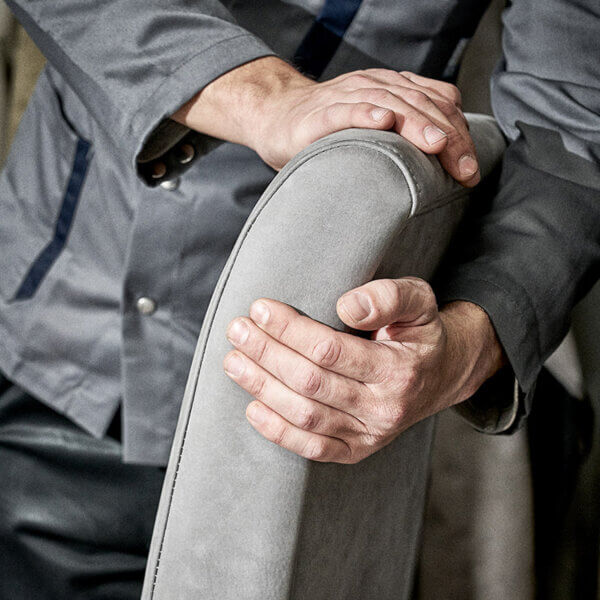
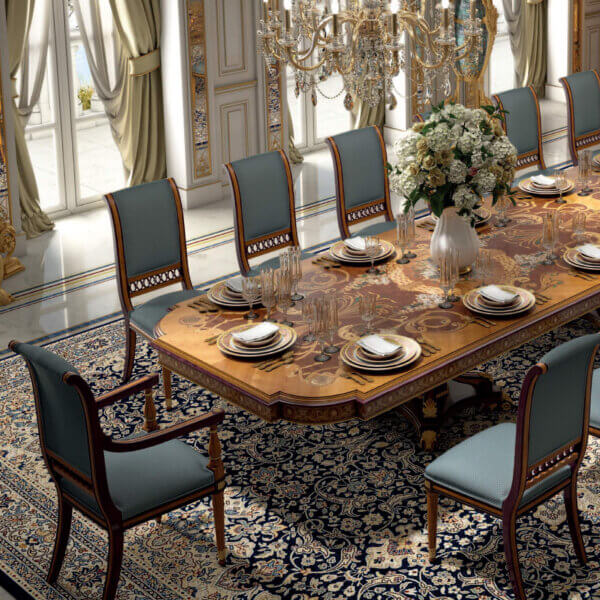
Bizzotto Production Line
Italian design doesn’t chase novelty — it chases feeling.
A key reason texture matters so much in Italian interiors is that it brings emotional weight to the design. It’s not just about visual interest. It’s about connection.
Soft leathers that patina with age. Natural linens that wrinkle elegantly. Woods with visible grain and warmth. These materials aren’t sterile or untouchable. They’re meant to be used, lived in, and felt.
That’s why homes furnished in the Italian style often feel inviting, not staged. The beauty lies not in perfection — but in how the materials respond to real life.
3. Tone-on-Tone Doesn’t Mean Boring
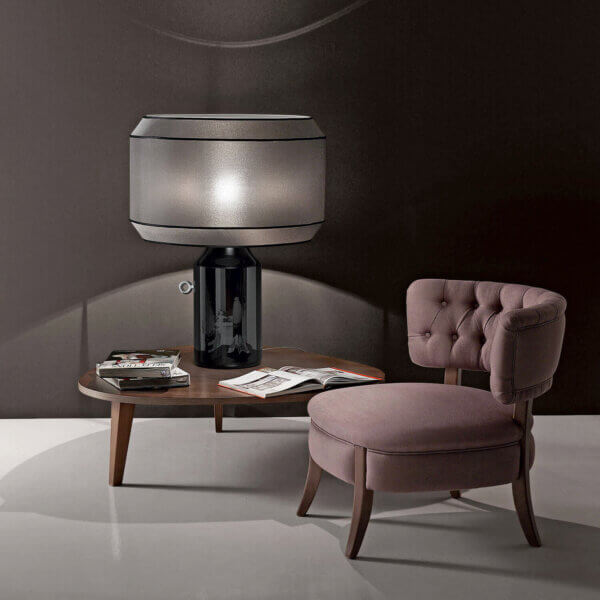
Odette Odile Table Lamp by Italamp
One of the most common misunderstandings in minimalist design is that a neutral palette will make the space feel flat. But Italian designers show that tone-on-tone design can be deeply luxurious — if you layer texture well.
A monochrome room in warm greys or soft creams comes alive when each surface has its own finish:
-
A wool rug beneath a leather sofa
-
Smooth travertine next to a ribbed wood cabinet
-
Crisp linen curtains next to raw plaster walls
It’s the difference between looking at a 2D image and stepping into a space that breathes.
When done right, tone-on-tone is not boring — it’s soothing, elevated, and endlessly sophisticated.
4. Light as a Partner in Design
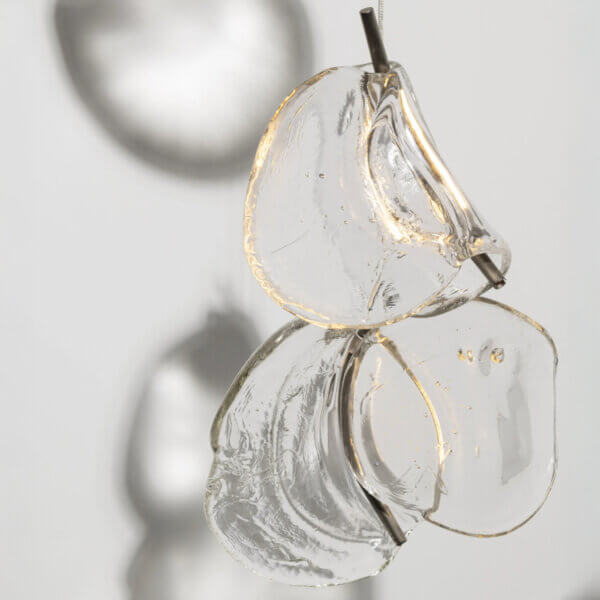
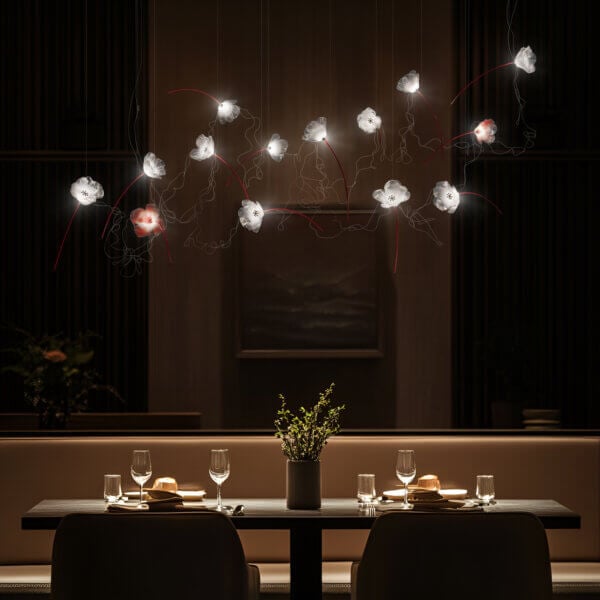
141 Random Suspension Lamp by Bocci
Texture doesn’t exist in a vacuum. It needs light to truly shine.
In Italian interiors, natural light is treated as a design element in itself. Large windows, sheer drapery, and smart spatial planning allow sunlight to wash over materials — revealing their full richness.
You’ll notice how morning light softens a velvet chair or how golden hour makes a travertine wall glow. Even artificial lighting is often used to graze surfaces gently, enhancing their depth instead of washing them out.
The result? A space that feels alive at every time of day.
The Takeaway: Texture Builds Emotion, Not Just Style
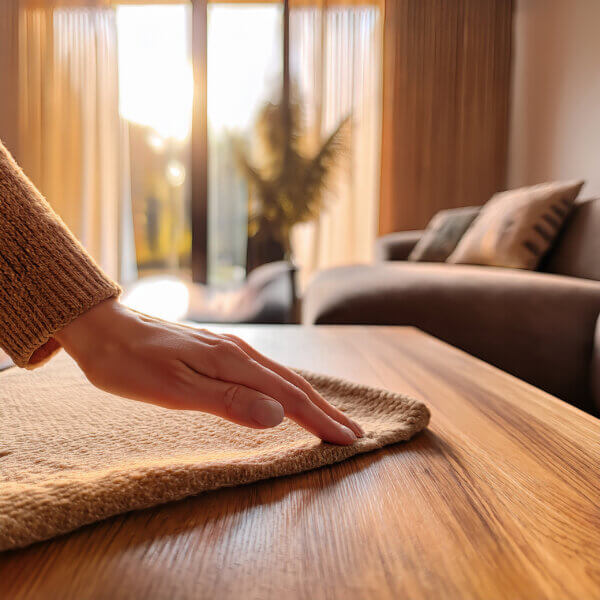
Minimal doesn’t have to mean cold. And luxury doesn’t have to mean excess.
Italian interiors teach us that the key to creating spaces people want to stay in lies in material honesty, sensual texture, and visual depth. When these come together, even the quietest room can speak volumes.
So if you’re designing a space that aims to be both minimal and welcoming, think less about color, clutter, or ornament — and more about how surfaces feel, how they age, and how they make you feel.
Because in Italian design, texture isn’t just a detail.
It’s the soul of the space.
Ready to design with texture in mind?
Explore our curated selection of Italian-made furniture and finishes, where craftsmanship and materiality meet.
📩 Contact our design team for personalized advice and product sourcing.