Transparency with Soul: Glass in Italian Design
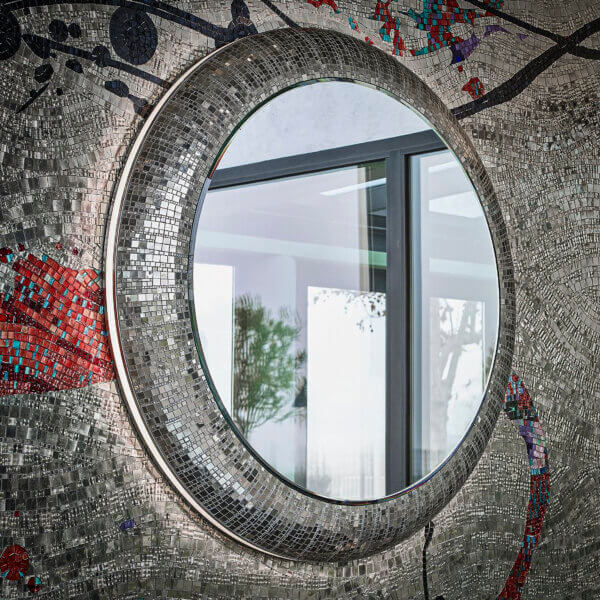
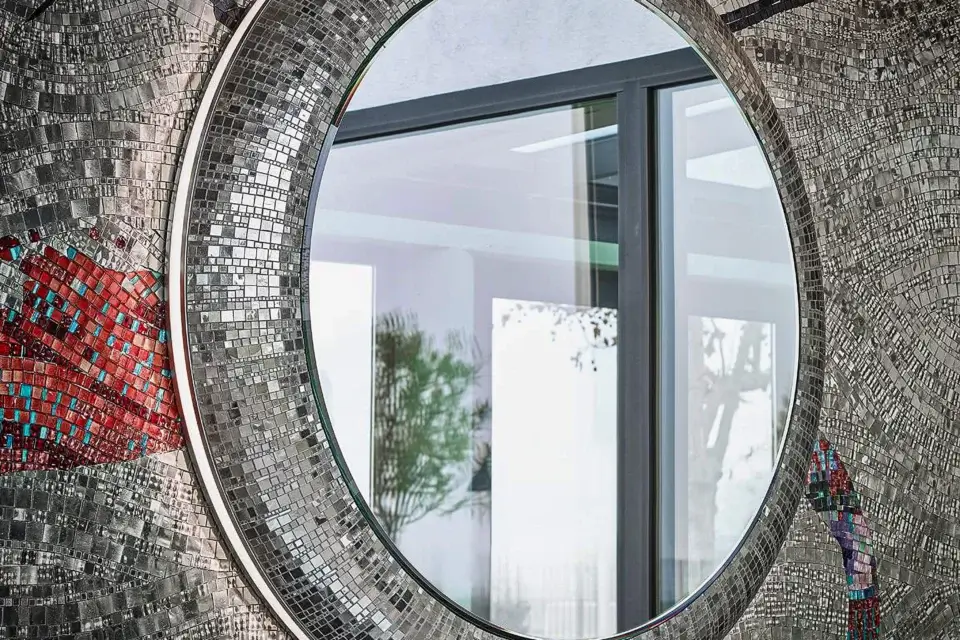
Fluxus Round Mirror by Sicis
Few materials embody the essence of Italian design as profoundly as glass. At once ancient and innovative, it reflects centuries of tradition while continually inspiring contemporary expression. In Italian interiors, glass is never just a surface, it is a medium of light, depth, and atmosphere, capable of transforming the character of a room with elegance and subtle drama.
Transparency as Design Language
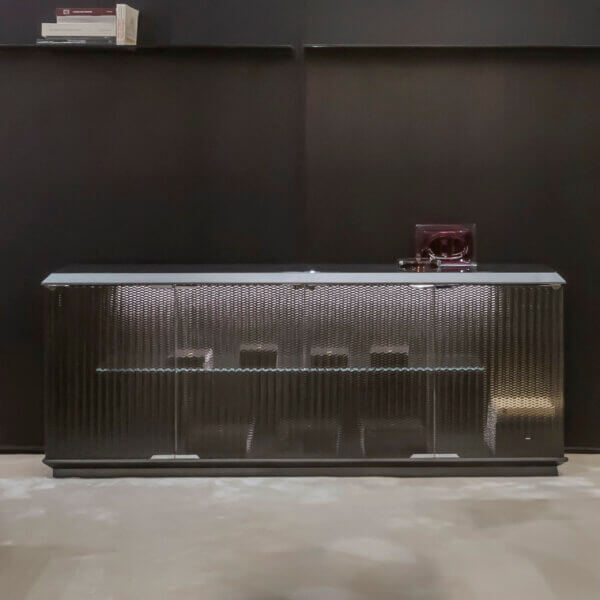
Twill Sideboard by Reflex
Glass introduces a rare duality into interiors, existing both as material and immaterial. It is solid, yet it dissolves boundaries, creating spaces that feel more open, fluid, and connected. Italian designers use glass partitions, sliding doors, and tabletops not simply for their practical role but to orchestrate the flow of space. Through glass, rooms feel less like isolated volumes and more like elements of a continuous, harmonious whole.
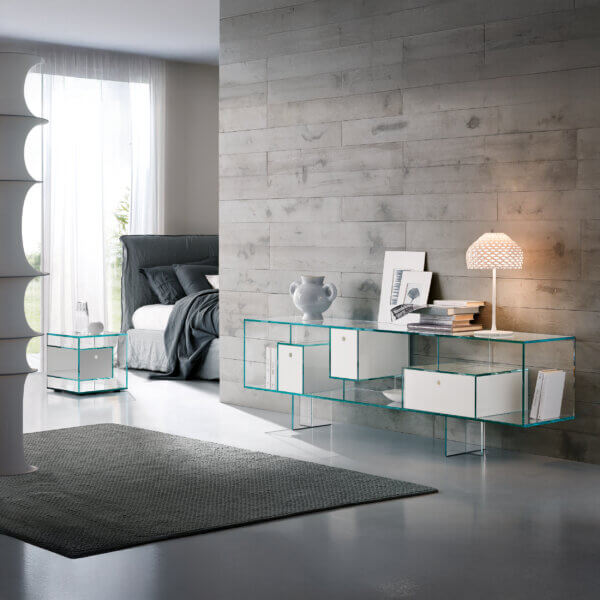
Liber Sideboard and Nightstand by Tonelli
This sense of permeability allows natural light to expand freely, softening transitions between rooms and making interiors feel brighter, lighter, and more alive. A glass wall, for instance, can turn a small living area into a space that feels expansive, or bring a subtle sense of connection between indoors and outdoors. In Italian design, transparency is not only aesthetic, it is a philosophy of openness and dialogue.
Reflection and Light
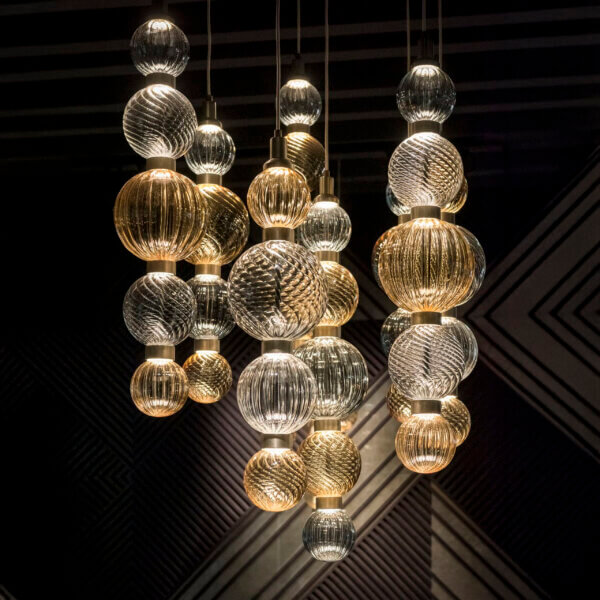
Drop Suspension Lamp by Sicis
Transparency is only part of the story, glass is also about reflection. Polished, smoked, frosted, or tinted finishes transform how light is absorbed, scattered, and multiplied within a space. Mirrors amplify dimensions, reflective surfaces enhance contrast, and smoked glass adds intrigue and depth. Italian designers often layer these treatments to shape not just interiors but atmospheres, allowing light to become a living element within the room.
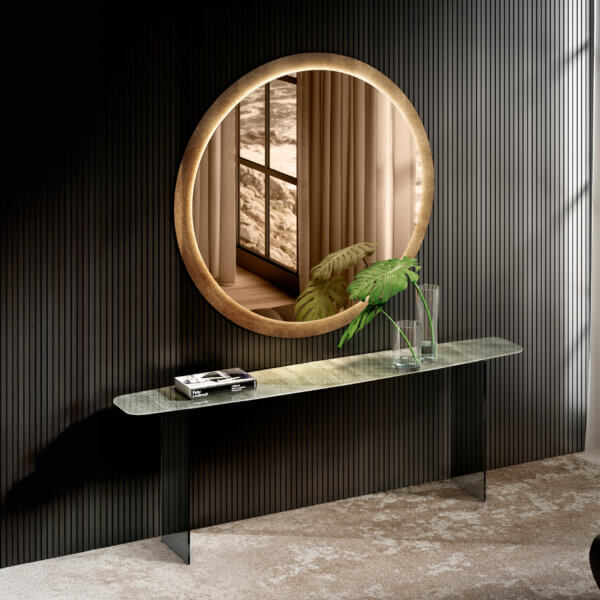
Kibi Mirror by Lago
Through reflection, glass blurs the line between what is real and what is illusion, expanding space beyond its physical limits. A well-placed mirror can make a corridor feel endless; a smoked glass cabinet can suggest mystery; a tinted tabletop can change its mood throughout the day. Light dances on these surfaces, reshaping interiors as if they were compositions in constant motion.
Craft and Sculpture
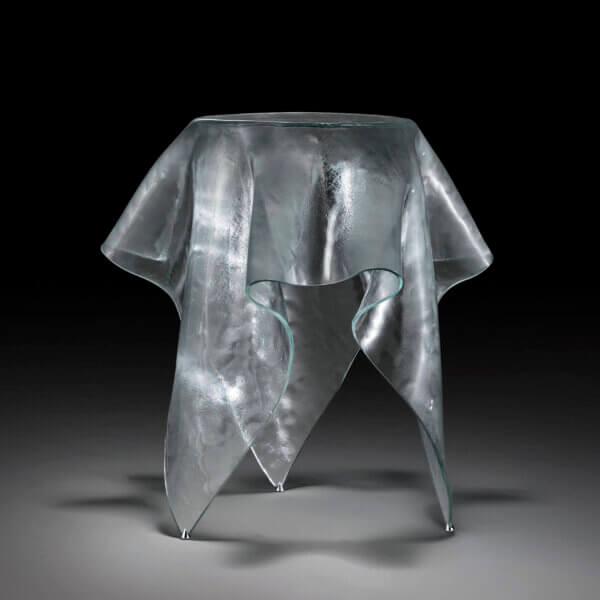
Foulard Side Table by Reflex
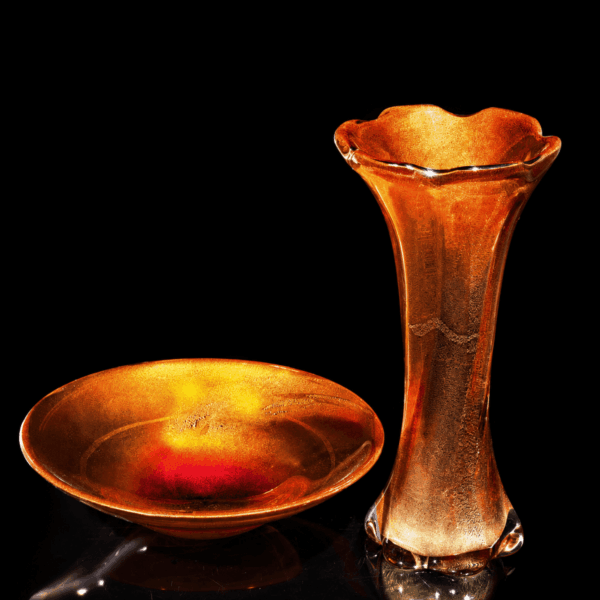
Italy’s relationship with glass is inseparable from artistry. From the centuries-old furnaces of Murano to today’s bold experimental studios, craftsmanship remains the soul of its identity. Every hand-blown vessel, every glass pendant, every sculptural form is not only a functional object but an expression of tradition carried forward. This continuity between past and present is what gives Italian glass its unmistakable depth and authenticity.

Venezia 1295 Chandelier by Barovier & Toso
In contemporary interiors, glass often transcends utility to become pure sculpture. Designers create chandeliers that seem to float like clouds, or cast-glass forms that appear frozen mid-motion. These pieces are not only about illumination or structure, but about presence, luminous, delicate, and deeply human. They stand at the intersection of design and art, adding a poetic dimension to modern living.
Material Harmony
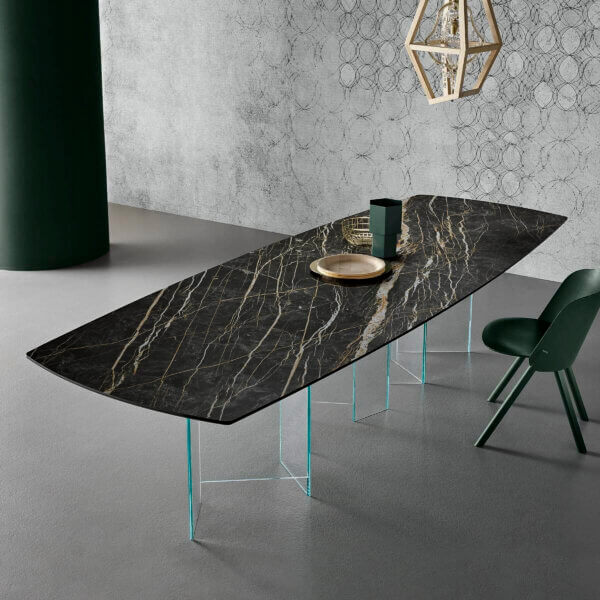
Metropolis Table by Tonelli
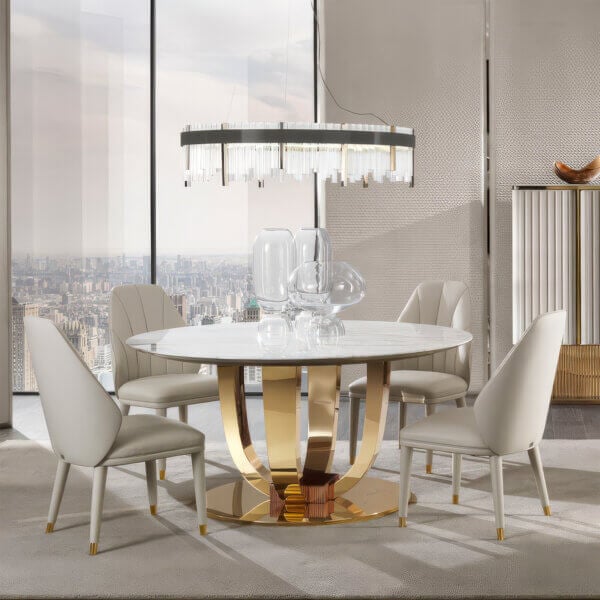
The beauty of glass lies in how it interacts with other materials. Its purity and lightness create striking contrasts with dense marble, warm wood, or textured fabrics. When paired with stone, glass enhances solidity; when paired with metal, it highlights precision; and when layered with textiles, it adds softness and balance. These juxtapositions are what allow Italian interiors to feel simultaneously grounded and ethereal.
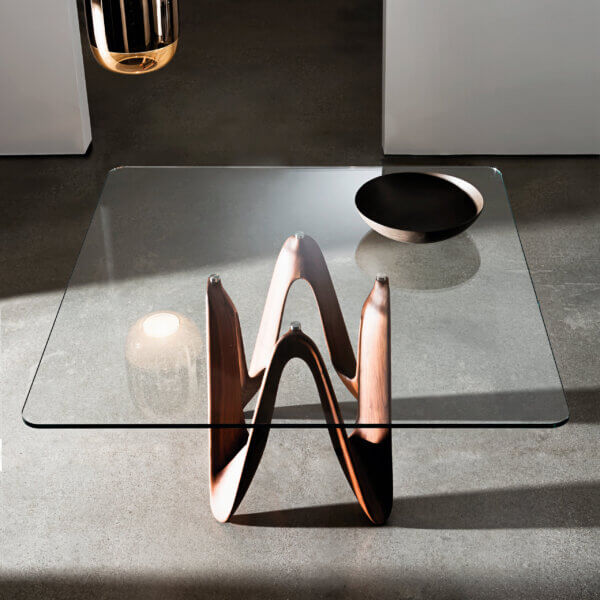
Lambda Square Table by Sovet Italia
Designers often treat glass as the unifying thread between elements that might otherwise compete for attention. A glass surface can rest lightly on a marble base, or a transparent form can highlight the natural grain of a wood table beneath it. In this way, glass becomes not only a material of beauty but of balance, a silent partner that harmonizes contrasts and amplifies the richness of other textures.
Timeless Innovation
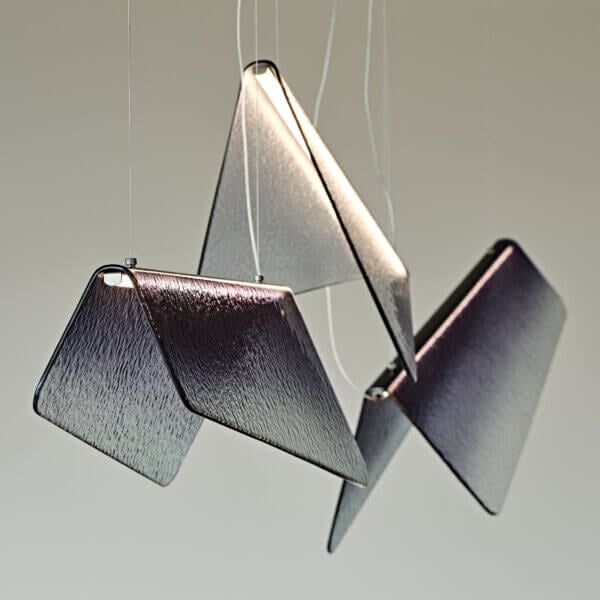
Velar Suspension Lamp by Cattelan Italia
What makes glass particularly compelling in Italian design is its enduring adaptability. It is at once ancient and futuristic, bridging the traditions of hand-blown glassmaking with the possibilities of advanced technology. Today, designers experiment with new scales, irregular organic shapes, metallic infusions, and bold colors, pushing glass far beyond the limits of mere transparency.
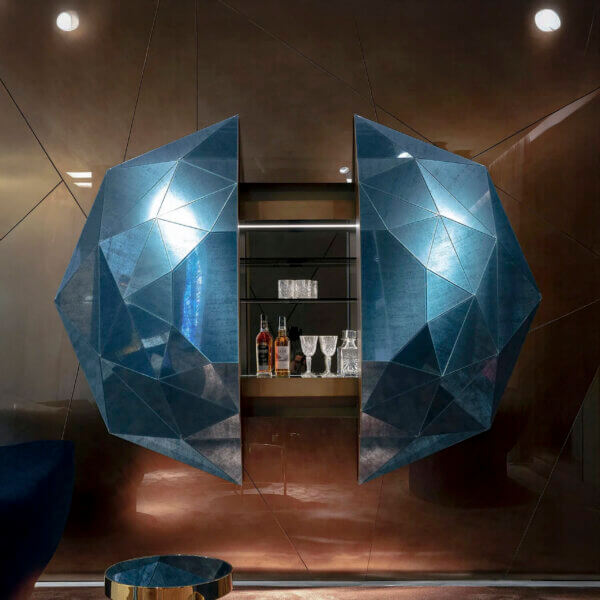
Diamante Bar Cabinet by Sicis
This versatility ensures that glass remains a timeless medium for innovation. It can be restrained and minimal, or daring and expressive. It can anchor a space in tradition, or propel it into the future. In Italian interiors, glass never stays static, it evolves with culture, technology, and imagination, yet always maintains its aura of elegance and sophistication.
Closing Thought
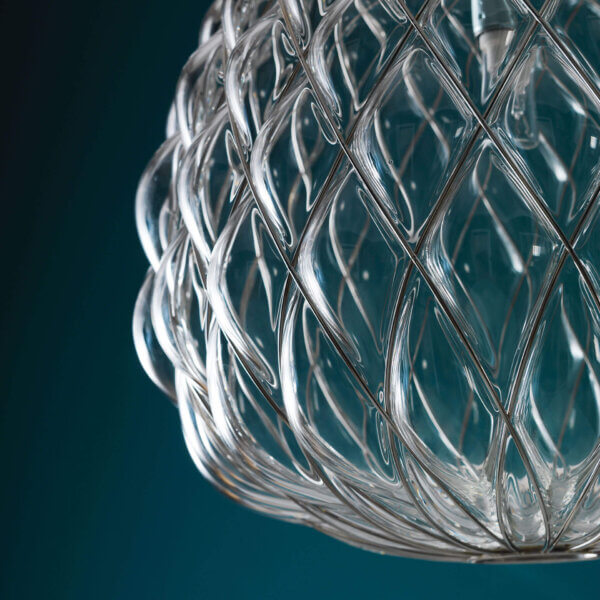
Pinecone Suspension Lamp by FontanaArte
In Italian interiors, glass is never merely a decorative choice. It is a language of design that brings light, reflection, balance, and poetry into a space. At once delicate and powerful, transparent and transformative, glass remains one of the most enduring and expressive materials in the designer’s palette, an art form that continues to inspire across centuries.