THE NEW ITALIAN WORKSPACE
Where function meets atmosphere
A workspace is more than a place to work.
It is an environment for concentration, conversation, creativity and ideas. And when thoughtfully designed, it can feel as considered and individual as any other room in the home.
Italian furniture approaches the workspace with this same sensibility. Function remains essential, but it exists alongside proportion, material, comfort and craftsmanship.
The result is a workspace that feels intentional rather than purely utilitarian.
At Cassoni, this ranges from refined writing desks designed for the home to expansive executive workstations and complete office environments.

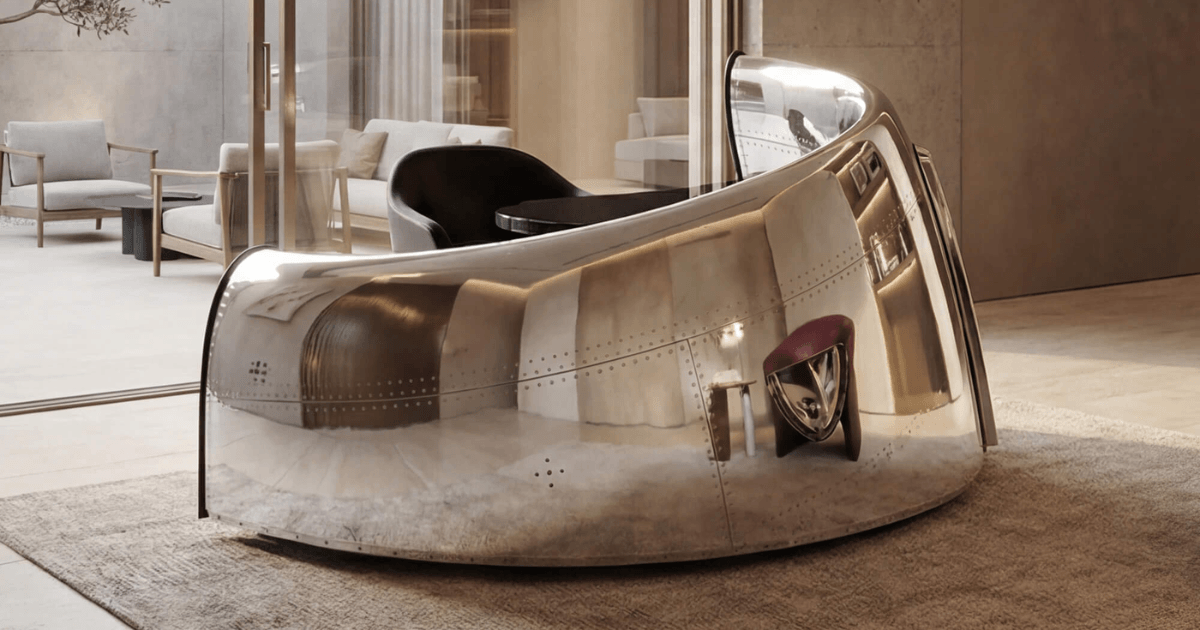
AIR-REC0166 Desk by Arteinmotion – Aeronautical Collection
Beyond the desk
The desk may be the natural focal point of a workspace, but it is only one part of the composition.
Storage, seating, lighting and the objects surrounding the work surface all contribute to how a space feels and functions. A bookcase can define a room without closing it off. A sideboard can provide storage while maintaining a sense of order. An office chair introduces comfort without compromising the visual language of the space.
This is particularly evident in the iSixty Avantgarde collection by Codutti, where desks, sideboards, cabinets, meeting tables and complementary pieces are designed as part of a cohesive architectural system. The collection combines wood, leather and metal and offers multiple configurations for different professional environments.
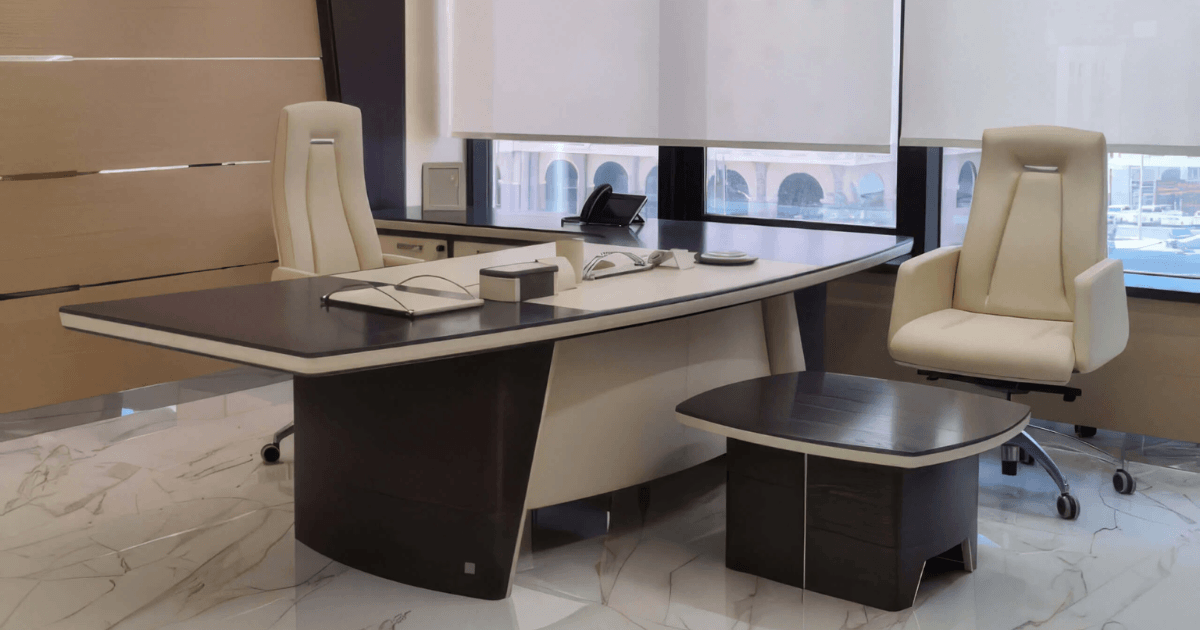
iSixty Avantgarde Office Side Table by Codutti
A desk with presence
Italian designers have long approached the desk as more than a functional surface.
The Klip Desk by Riva 1920, designed by Karim Rashid, is an expressive example. Its continuous, curved structure creates an architectural shell around the workspace, while the wooden construction and optional leather front introduce warmth and tactility. Inside, traditional dovetail joints become part of the craftsmanship behind a highly contemporary form.
It is a reminder that even an executive desk can be conceived as an object with its own visual identity.
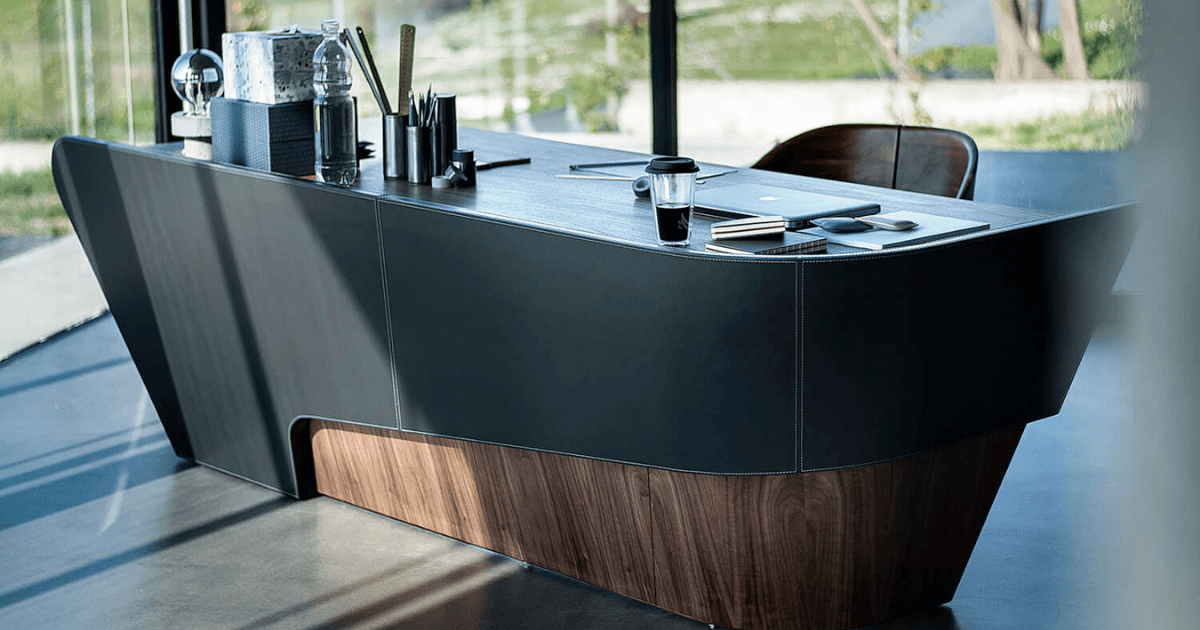
Klip Desk by Riva 1920
Materiality matters
Materials have an especially important role in the workspace.
Wood introduces warmth. Leather brings tactility. Metal adds precision. Lacquer can create a more architectural expression, while crafted details can turn a functional surface into something with personality.
The Poe Desk by Laurameroni, for example, combines a rounded lacquered wood top with sculptural legs finished in rye-straw marquetry. The result is a desk defined as much by its material contrasts and craftsmanship as by its function.
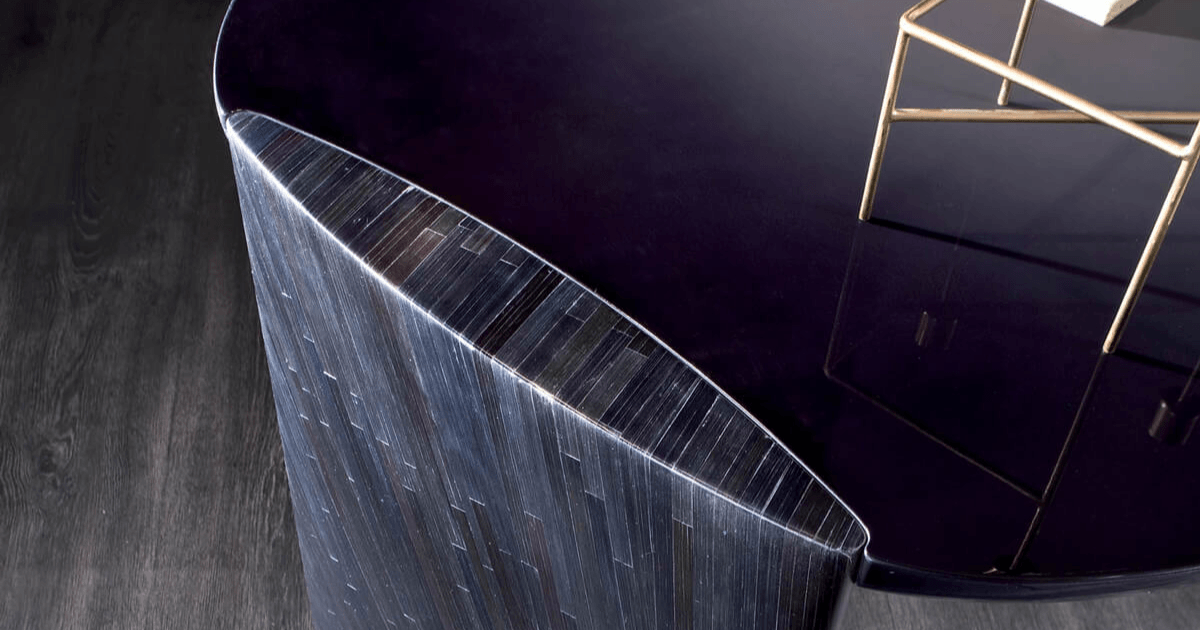
Poe Desk by Laurameroni
Comfort belongs at work
A well-designed workspace should not force a choice between comfort and aesthetics.
Office seating has evolved into a category where ergonomic considerations and visual design can coexist. Cassoni’s current selection includes chairs with adjustable height, swivel mechanisms, supportive forms and a range of upholstery options, alongside more sculptural executive seating.
The Pass Office Armchair by Lapalma, designed by Hee Welling, is one example: its curved shell integrates the armrests and is offered with different base configurations, upholstery options and height-adjustable versions.
The point is not to make comfort invisible, but to make it part of the design.
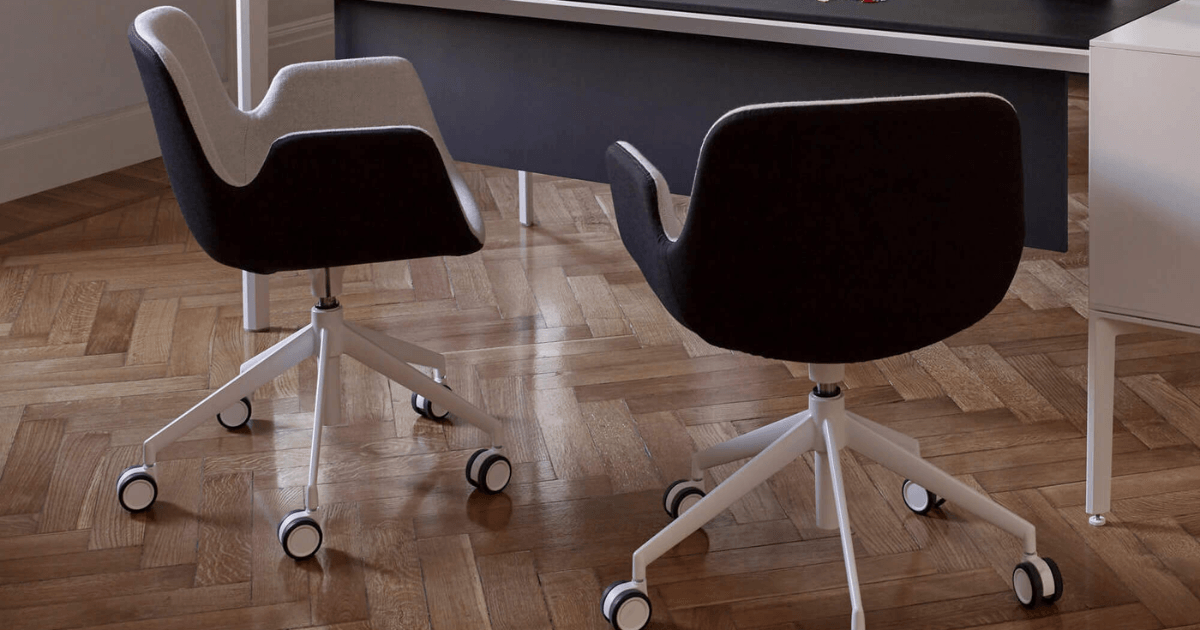
Pass Office Armchair by Lapalma
The home office as part of the home
The home workspace presents a different design challenge.
Rather than occupying a room that exists entirely apart from the rest of the house, it often needs to coexist with living spaces, bedrooms or other personal environments.
That makes proportion particularly important.
The Gray 50 Writing Desk by Gervasoni, for instance, has a compact writing-desk character rather than the scale of a traditional executive workstation. Its walnut version and simple architectural lines allow it to sit naturally within a residential interior. Cassoni currently includes Gray 50 among its home-office desks.
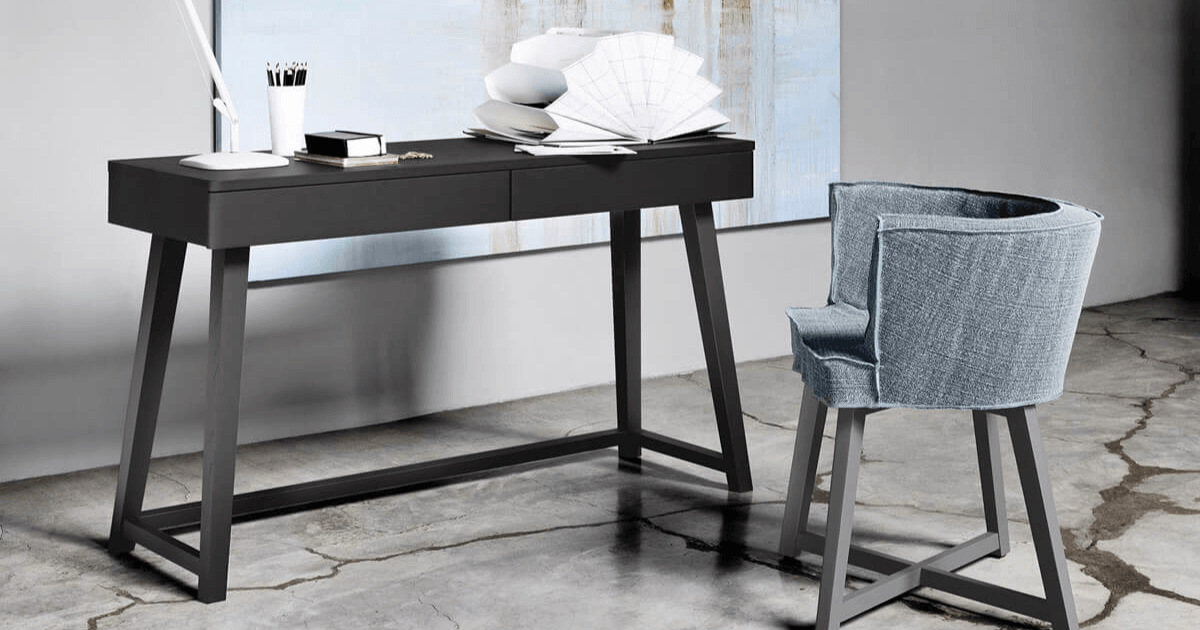
Gray 50 Writing Desk by Gervasoni
Designed around the way you work
Different workspaces ask for different solutions.
An executive office might require a substantial desk, integrated storage and meeting capabilities. A private study may call for a smaller writing desk and carefully selected seating. A shared workspace may prioritize mobility, organization and flexibility.
Italian manufacturers respond to these different needs through variations in dimensions, configurations, materials and finishes.
This degree of customization allows the furniture to respond to the space, rather than asking the space to adapt to the furniture.
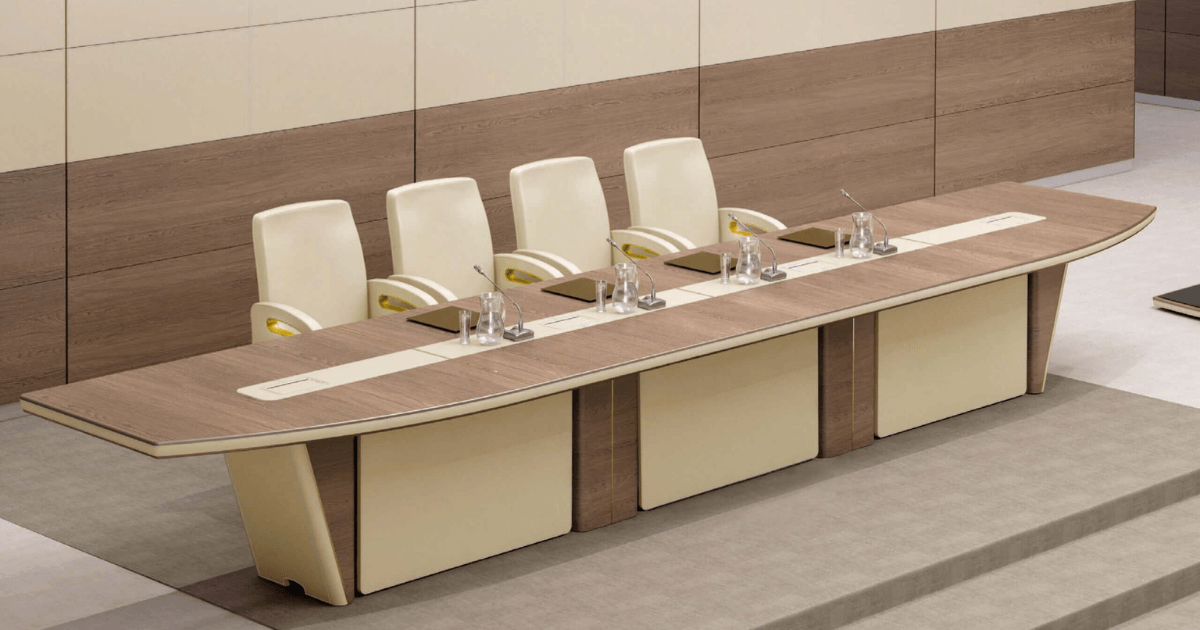
iSixty Avantgarde Office Conference Table by Codutti
Function, with intention
The most successful workspace is not necessarily the one with the most features.
It is the one where every element has a reason to be there.
A desk with considered proportions.
A chair that supports without dominating.
Storage that creates order.
Lighting that shapes the atmosphere.
Materials chosen for how they look, feel and endure.
This is where Italian design brings a distinct perspective to the workspace: function is not separated from beauty. It is part of it.
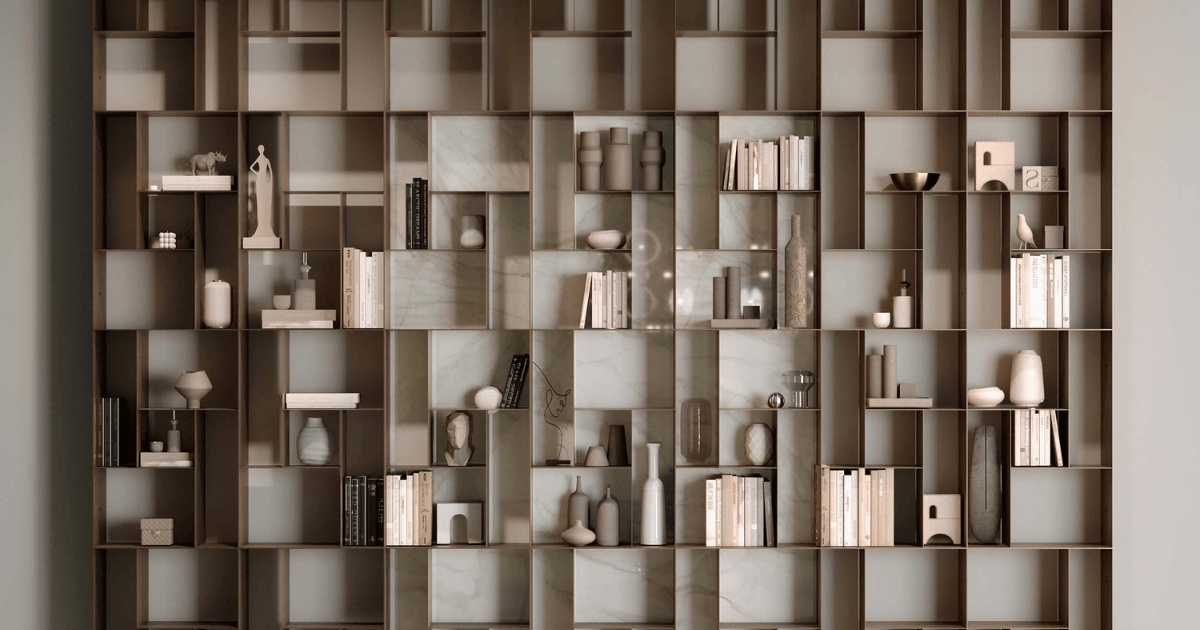
Atena Bookcase by Bontempi
The new Italian workspace
The contemporary workspace can be precise without feeling austere, sophisticated without feeling formal, and functional without sacrificing character.
From the intimacy of a home study to the presence of an executive office, Italian design approaches each setting as a complete environment—one where materials, proportions, comfort and craftsmanship work together.
A workspace designed not only for what happens there, but for how it feels to be there.