Radiant Warmth: Brass, Bronze, and Gold in Italian Interiors
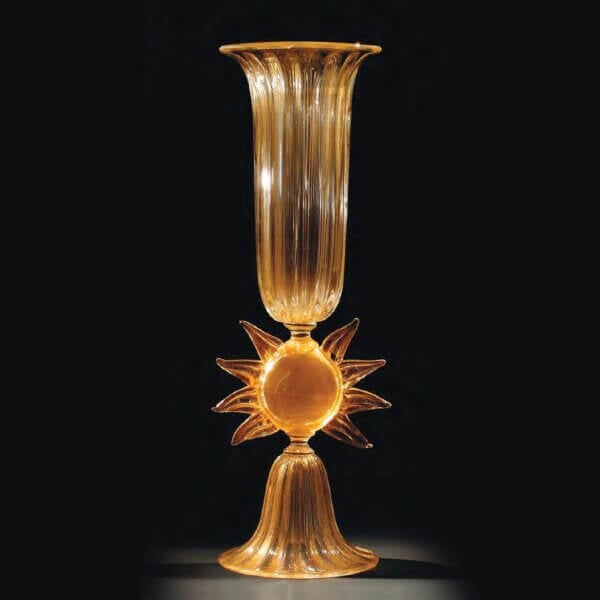
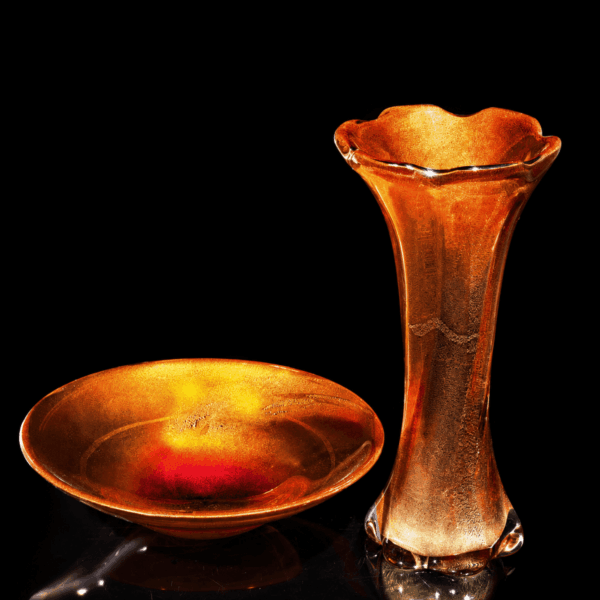
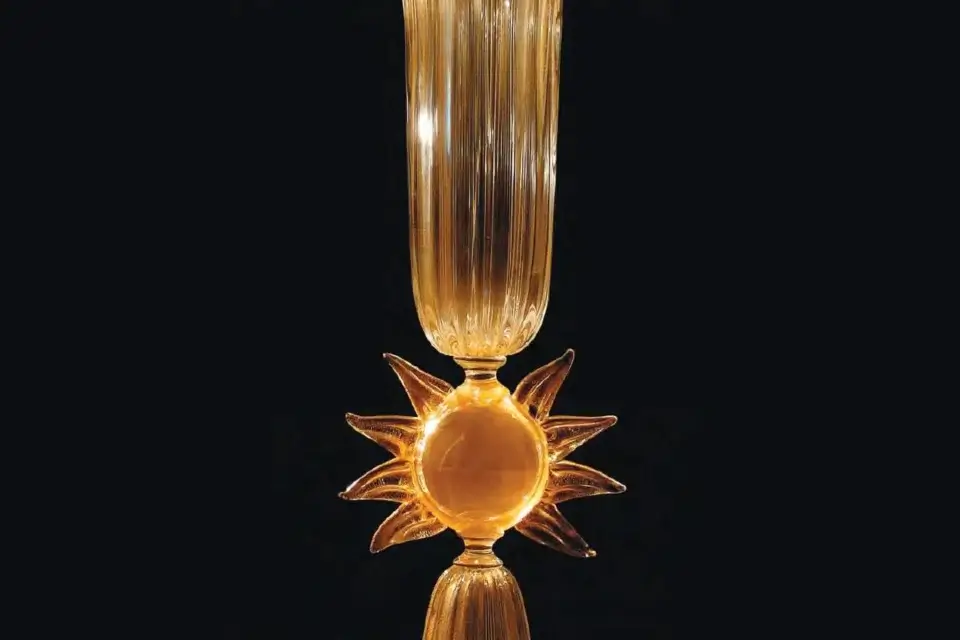
Sole Giant Vase by Wave Murano Glass
Italian interiors have long celebrated materials that balance timeless elegance and tactile warmth. Among them, brass, bronze, gold, and other glowing alloys stand out for their ability to enrich a room without overpowering it. Whether polished to a luminous shine, brushed for a soft gleam, or allowed to age into a deep patina, these metals add an unmistakable layer of character and sophistication.
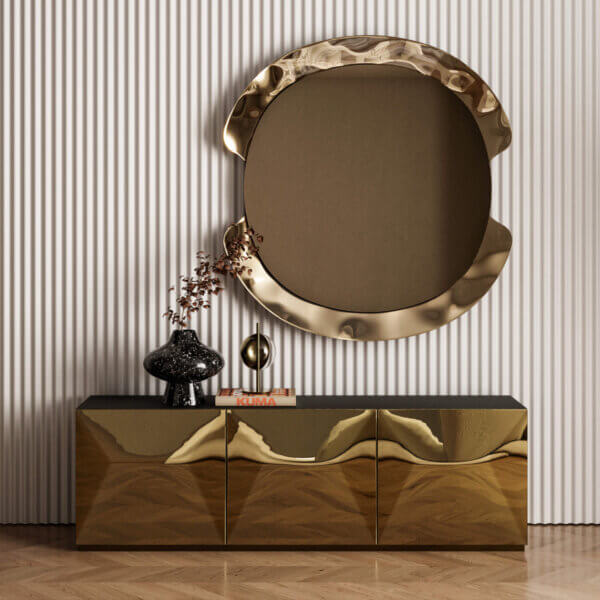
Peak Mirror & Eden Sideboard by Bontempi Casa
Warm metals are more than decorative sparkle, they’re an essential part of Italy’s design DNA. Rooted in centuries of skilled metalwork, they speak to history, craft, and the art of restraint while remaining completely relevant in contemporary homes.
Subtle Brilliance
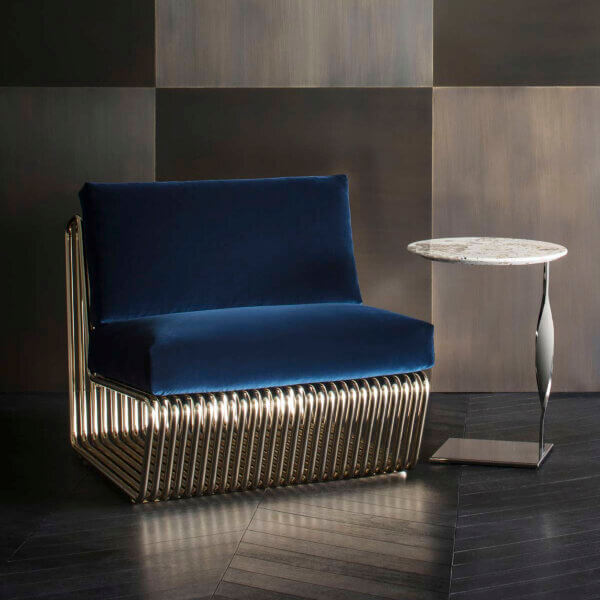
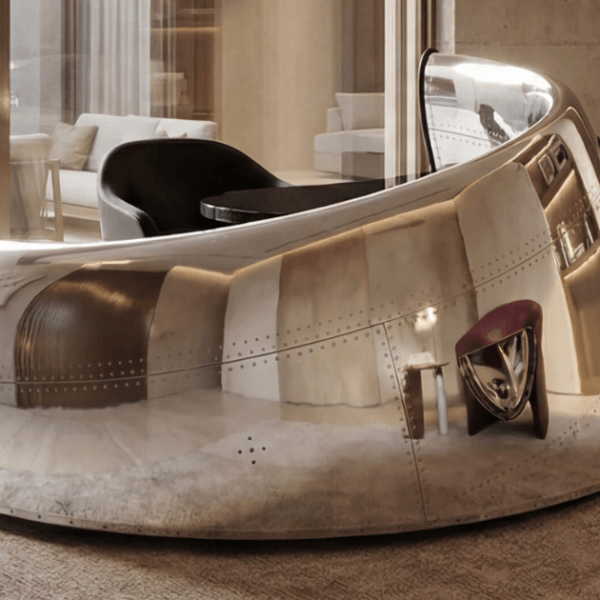
Infinity Lounge Chair by Rugiano
The beauty of warm metals lies in their quiet magnetism. They invite you closer rather than demanding attention. Brass cabinet pulls, bronze legs beneath a dining table, or slim gold borders on shelving bring a soft shimmer that enhances surrounding textures. Their reflective qualities gently bounce light across wood grains, marble veins, or textile weaves, enriching surfaces with depth and dimension.
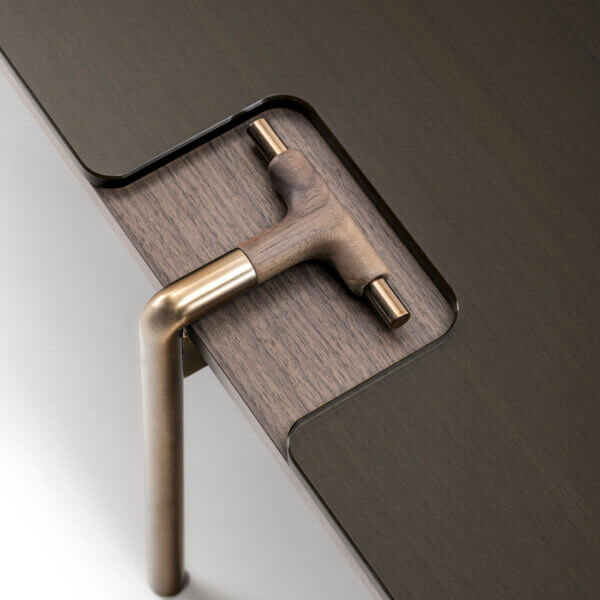
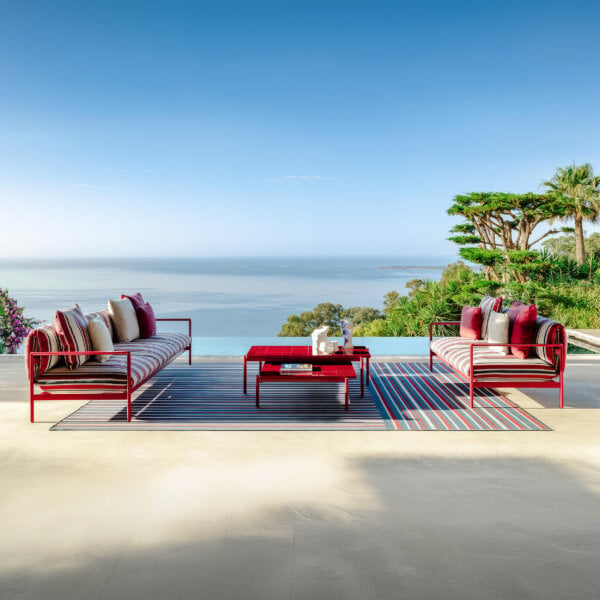
Blues Coffee Table by Turri
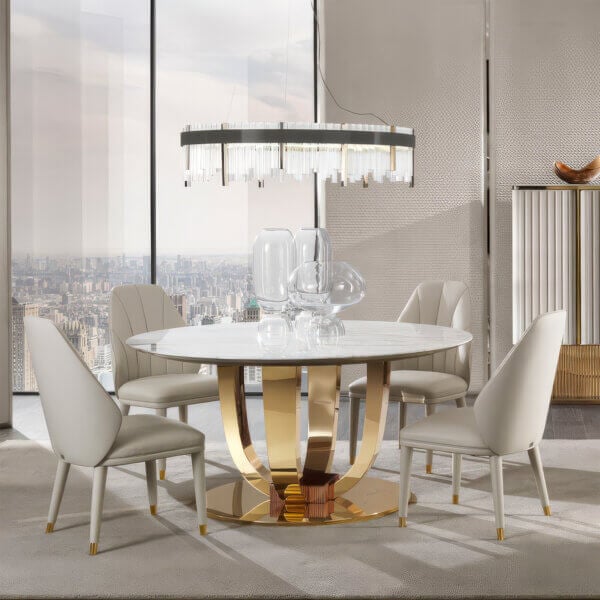
Designers often deploy them as accents that elevate minimal silhouettes. A sleek console becomes instantly more elegant with champagne-gold edging. A coffee table gains sophistication when its metal base catches natural light. Even a single metallic detail, such as a gleaming hinge or a thin bronze frame — can act like jewelry for furniture, lending refinement without excess.
Patina and Character
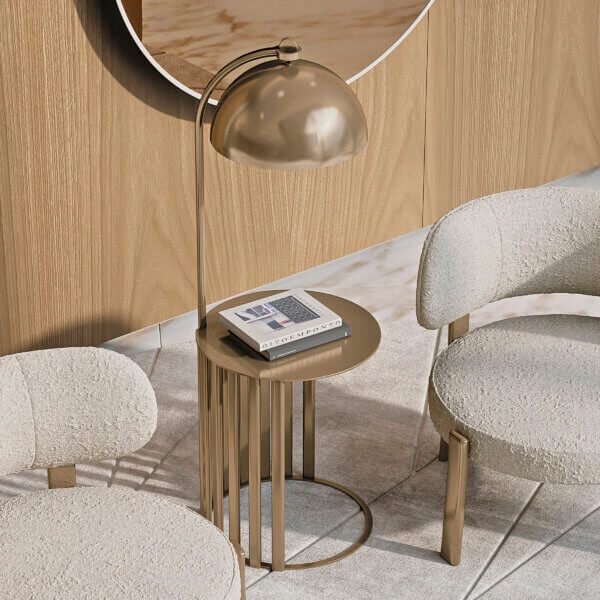
Roma Side Table by Turri
Unlike cooler finishes such as chrome or stainless steel, warm metals evolve gracefully over time. Brass darkens to a honeyed tone, bronze develops earthy green or brown highlights, and gold softens into a muted glow. This patina is part of their charm, turning objects into living companions that document touch, light, and years of use.
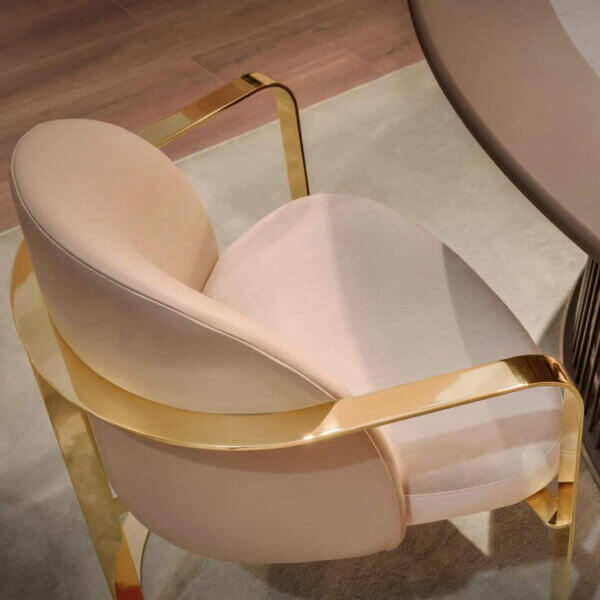
Bell Armchair by Vismara
Italian designers often leave these materials “alive,” encouraging them to age naturally rather than sealing them in lacquer. A handrail, mirror frame, or lamp base acquires layers of history, each mark adding richness instead of diminishing value. It’s a philosophy rooted in authenticity: let materials tell their own story, giving interiors warmth not only in hue but in narrative.
Artisanal Craftsmanship
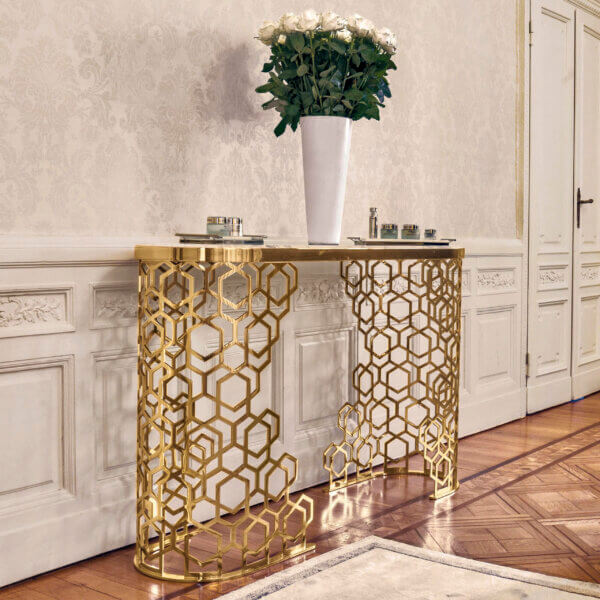
Manfred Console by Longhi
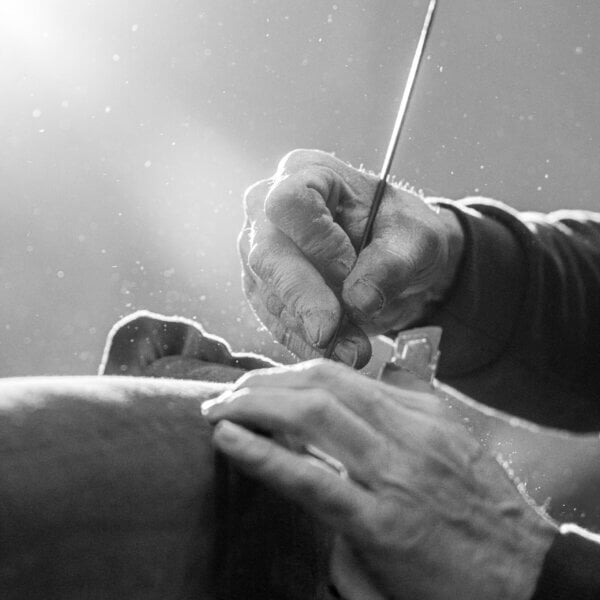
The appeal of warm metals is inseparable from the craftsmanship behind them. Italy’s workshops have mastered techniques such as sand-casting, hand-hammering, and precision welding, turning raw metal into sculptural bases, lighting arms, or intricate handles. These details reveal an artisan’s sensitivity, how to polish just enough to bring out a glow, or to leave a textured grain that catches light dramatically.
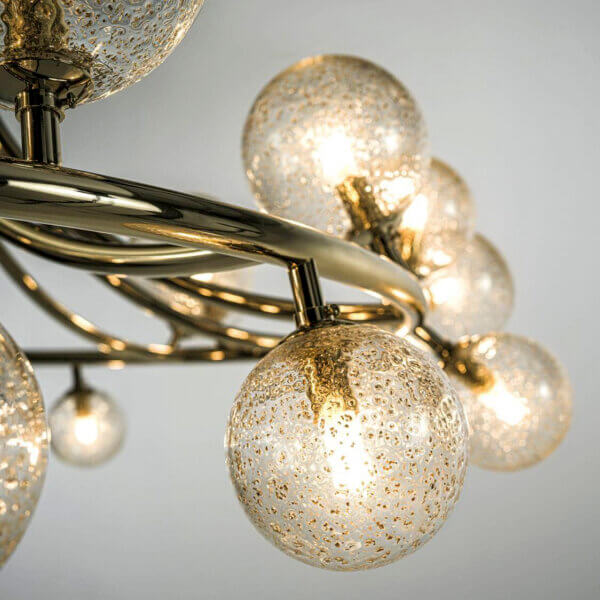
Rialto Suspension Lamp by Longhi
Bronze tables, brushed brass pendants, and gilded mirror frames all testify to the country’s legacy of blending design innovation with manual skill. Even in modern production, artisanal knowledge remains vital: understanding how to temper metallic luster so it complements rather than competes with surrounding finishes is as much an art as it is a technique.
Balancing Materials
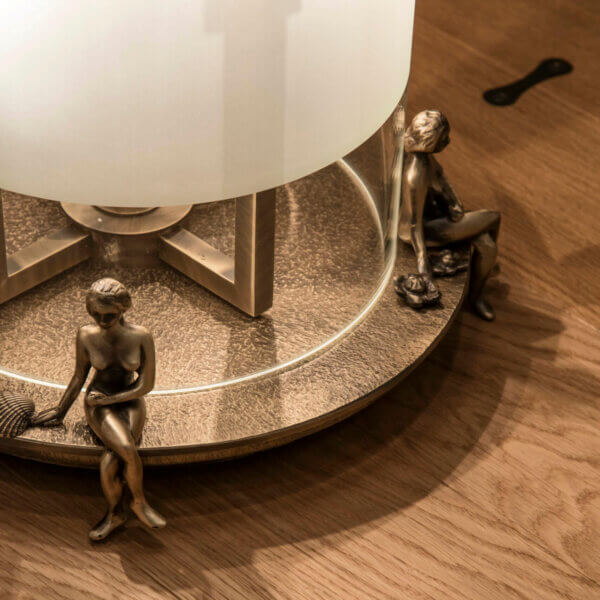
4Stagioni Table Lamp by Bella Vista
Warm metals achieve their greatest effect when contrasted with other elements. Against walnut or oak, brass becomes luminous; alongside dark stone or concrete, bronze reads as inviting rather than austere. Champagne-gold detailing around clear glass or lacquer softens modern lines, while coppery hues lend energy to neutral upholstery.
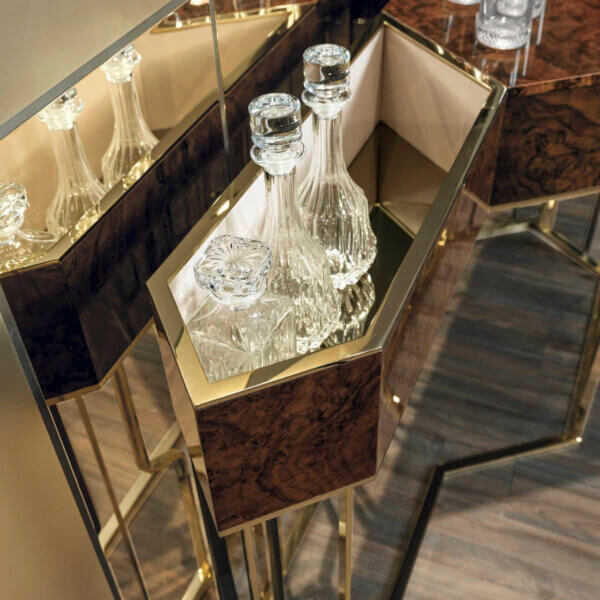
Ginza Evo Bar Console by Longhi
Used thoughtfully, these accents frame architecture and anchor furniture without dominating the scheme. A marble-topped console feels grounded by a bronzed base. A brushed-brass trim highlights the edges of custom cabinetry, creating definition without heaviness. The key lies in moderation: just enough glow to enrich textures and outline forms, leaving space for other materials to breathe.
Modern Elegance
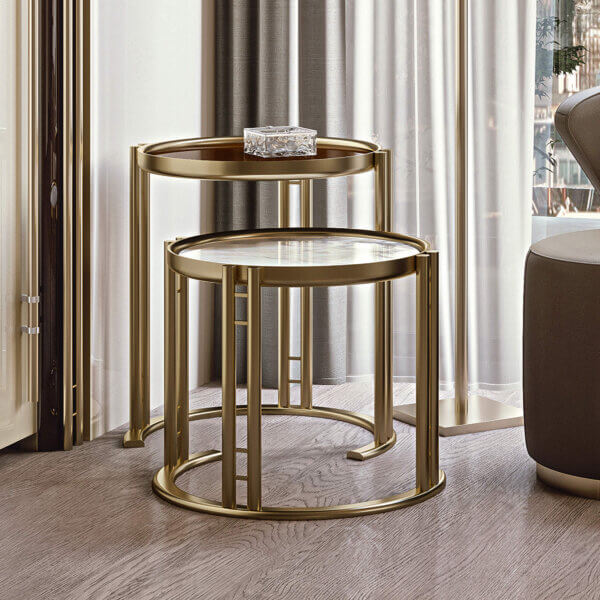
Ikat Side Table by Bizzotto
Today’s Italian designers reinterpret brass, bronze, and gold through a contemporary lens. Finishes are often matte or softly brushed, avoiding excessive gloss. Designers explore mixed-metal compositions, pairing warm alloys with blackened steel or nickel to create layered tonalities. Sculptural lighting in champagne tones, side tables with slender brass frames, or bronze-accented shelving systems illustrate how these metals adapt to current tastes while retaining their timeless allure.
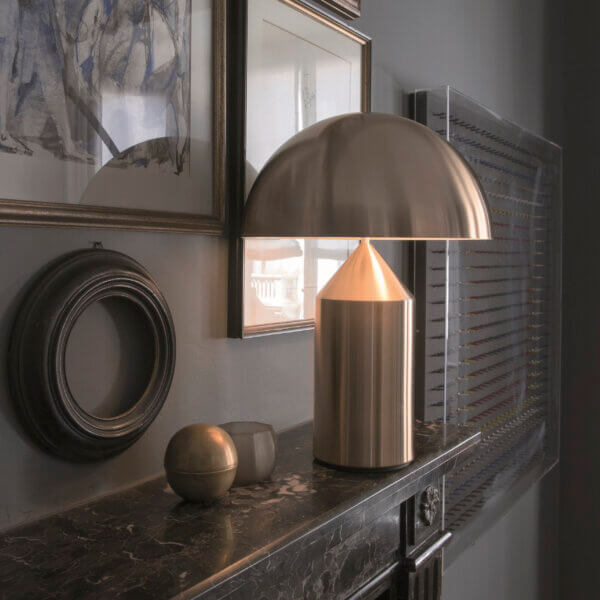
Atollo Metal Table Lamp by Oluce
Rather than signaling opulence alone, warm metallics now express quiet confidence. They integrate seamlessly into minimalist environments as well as richly textured settings, adding luminosity and refinement. In every context, they convey the enduring Italian approach: beauty expressed with precision, warmth, and a respect for material authenticity.
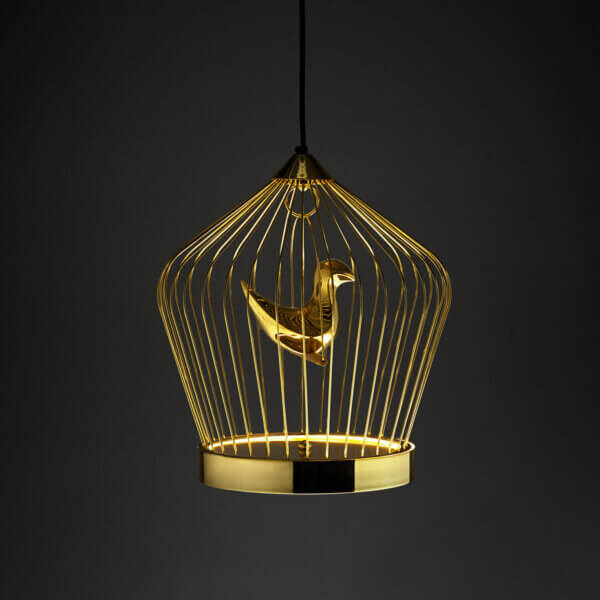
Twee T. Suspension Lamp by Casamania
Whether you’re drawn to the mellow glow of brass, the depth of bronze, or the subtle glimmer of gold, warm metallic details continue to define elegant interiors. They connect heritage with modernity, turning furniture, lighting, and architectural elements into radiant focal points, proof that in Italian design, restraint and richness can coexist beautifully.